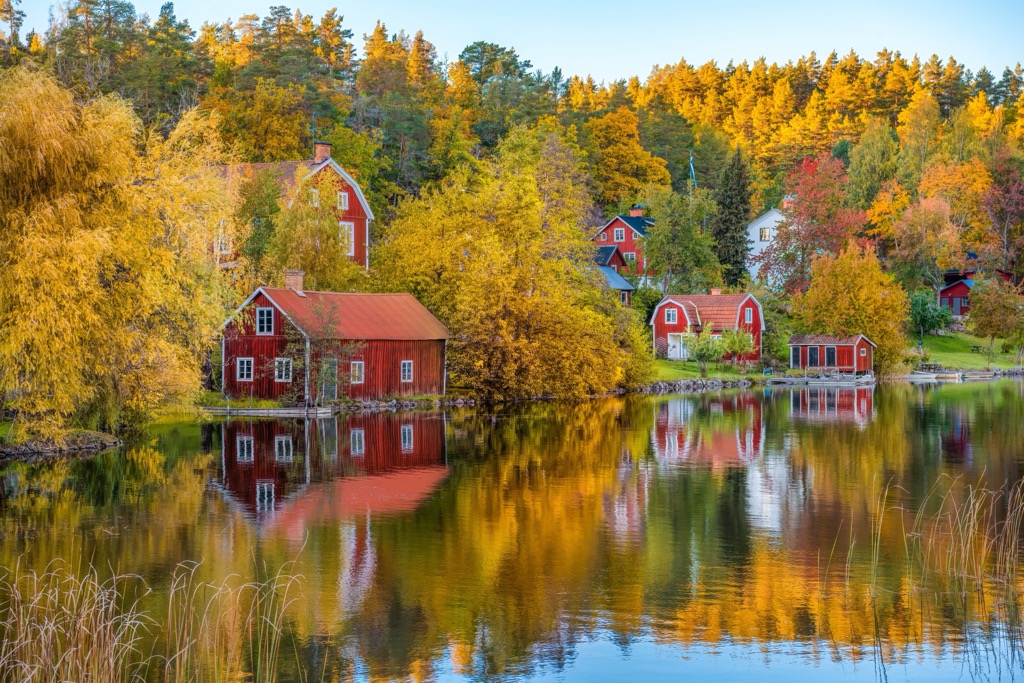
The Continent’s Best Autumn Colors
It’s that time of year again. Summer has come to a close, and the trees celebrate with their annual supernova of colors.
We’re going to dive into the science of fall colors, the best times to catch displays, and the best destinations for European leaf-peepers. Stay tuned!
An Ode to Autumn
A scent of decay in the air. A shadow on the footpath. A low-hanging sun gently filters soft light through the forest.
Autumn is a vibe. It’s no coincidence that it’s the season of the ancient Christian All Souls Night, and even more ancient Pagan celebrations before that. Being a time of death, decay, and impending darkness, the season undoubtedly lends itself to the macabre. But that’s all part of autumn’s delicate dance.
The best autumn days begin with a crisp, clear morning, a bit of chill in the air. It takes longer for the sun to warm things up. Nevertheless, the afternoon sun bequeaths just enough solar radiation to be called “warm” without reaching the threshold of “hot”. As the sun hastens its retreat below the horizon, the chill returns, lending itself perfectly to sleep.
Yes, the worst autumn days are marked by endless rain and dreary cold. But it’s worth it for the good ones.
Why Are Fall Colors Not as Vibrant in Europe?
I grew up in New England, USA, where fall colors are incredibly vibrant. You don’t realize how special this is until you go to other places and see that leaves simply don’t change in the same way. So why are fall colors less vibrant in Europe?
The answer lies in the diversity and types of tree species. Eastern North America is home to maples (Acer rubrum, A. saccharum, A. saccharinum) and many other species, which form diverse mixed broadleaf forests. These trees are genetically predisposed to produce bright anthocyanins (reds, purples). In the fall, leaves stop producing chlorophyll (the green pigment), and chemical changes produce anthocyanins. At the same time, pigments like carotenes and xanthophyll, which have been in the leaf for the whole summer, are visible in the absence of chlorophyll.
Meanwhile, western Europe’s forests are dominated by beeches (Fagus sylvatica), with more muted pigments. These forests mostly turn golden brown without producing strong reds.
Why You Should Still Visit Europe in Autumn
Still, foliage in Europe can be world-class; you just have to know where to look. The first—and most famous—place is the larch forests of the Alps, which turn in November. To find the best hardwood foliage, go east, where there are more maples. That means skipping the Alps and heading to the wild forests of the Carpathians or the Balkan ranges, far less touristed areas.
Even if Europe can’t quite compete with the displays in Eastern North America, it boasts more dramatic landscapes and far more attractive cities, towns, and villages. Cities in Europe, already the world’s most beloved, are particularly perfect for an autumn visit. Fewer crowds and cooler temperatures complement the mood-changing autumn leaves.
When is the Best Time to See Fall Colors in Europe?
It all depends on the location, predominant tree species, and elevation. Colors can start changing as early as late September in some regions farther north, although the main part of the season typically occurs around mid-October. You can expect colors up until early November in most regions, and sometimes the leaves will hang onto the trees until a storm comes through and blows them off.
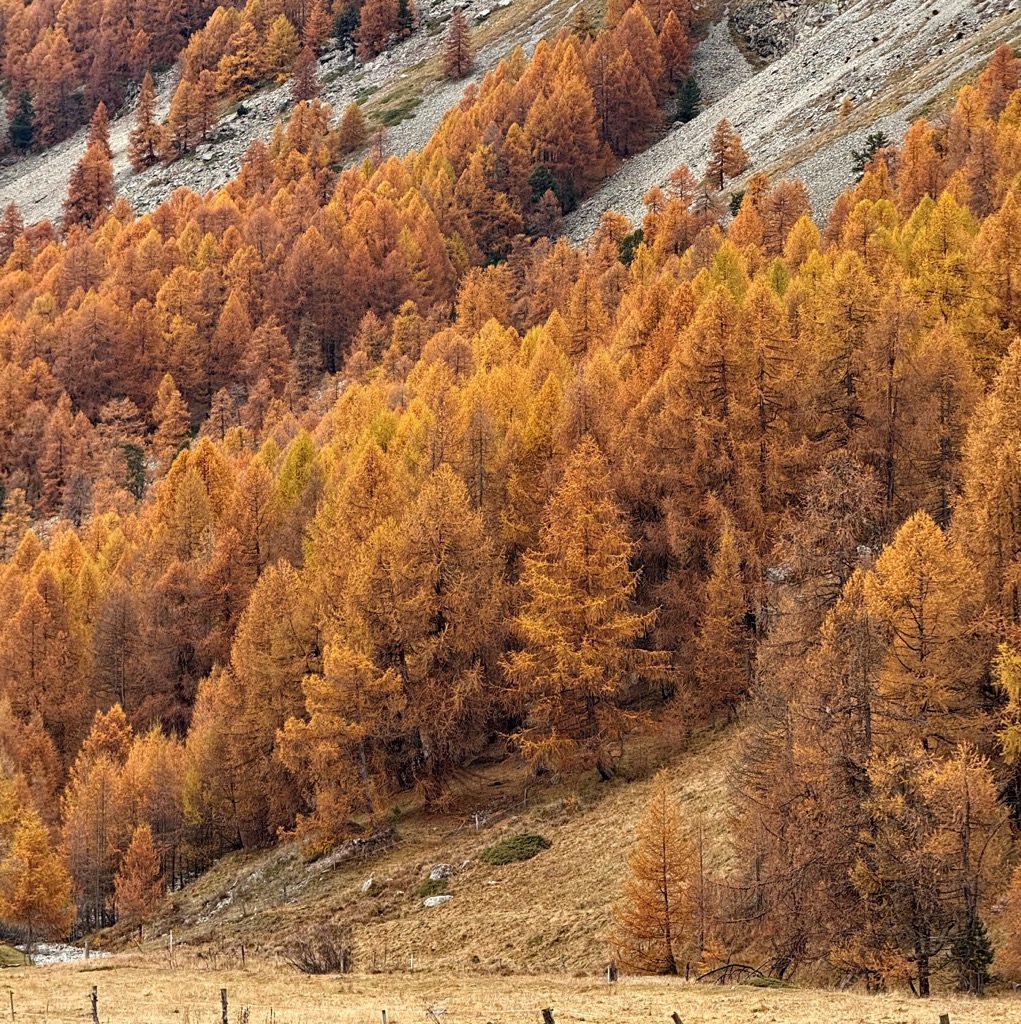
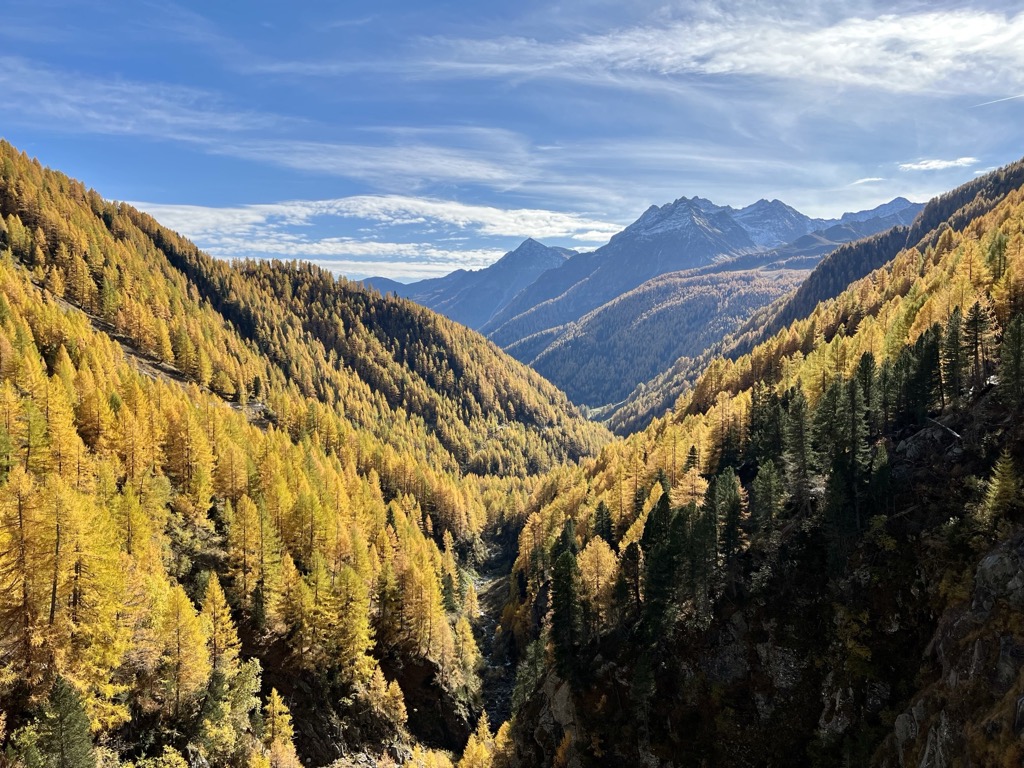
Another thing to keep in mind is that many forests in the Alps are Larch forests. Larch trees resemble conifers but are actually deciduous, shedding their needles each winter. Interestingly, despite occupying higher altitudes, these forests don’t lose their needles until November. Most winters, you’ll have days where fresh early-winter snow mixes with the colors of the larch needles to astonishing effect.
Where are the Best Places to See Fall Colors in Europe?
Larch Season in the Alps
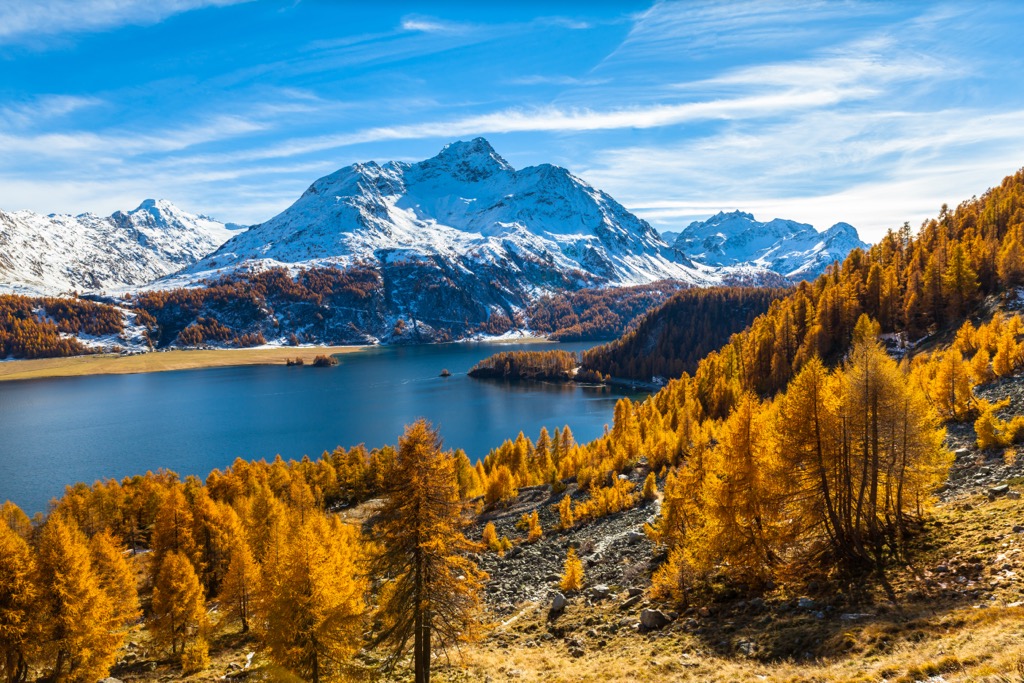
The principal tree at high altitudes in the European Alps is the European larch (Larix decidua), a real beauty of a tree species. These trees typically live for at least 1,000 years, with some possibly exceeding 2,000 years. Because the Alps are a relatively harsh environment, the larch trees can form pure stands (they are the only trees that can withstand the environmental pressures).
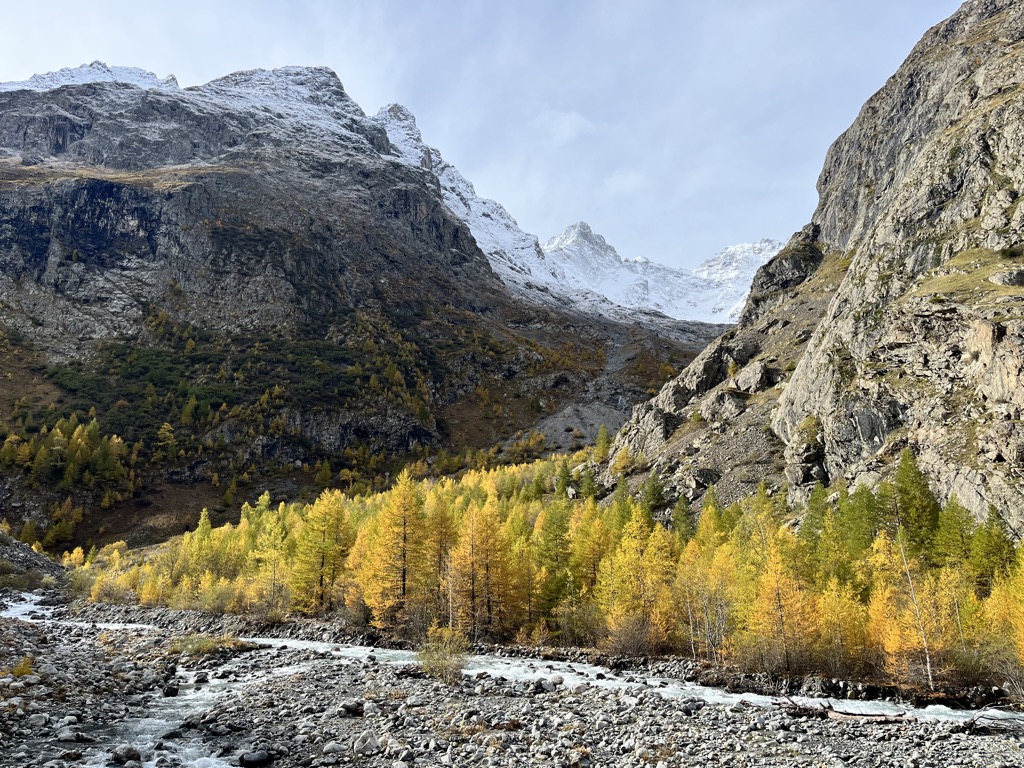
Interestingly, larch trees hold their needles until late in the year. Pure larch forests are the most striking when the needles turn gold in November. Expect a spectrum of yellows to oranges. Generally, this is late enough for the colors to contrast with snow on the high peaks. If you’re lucky, you’ll catch a fresh snowfall at low elevation, with the fiery larch trees briefly snuggled in a powdery blanket.
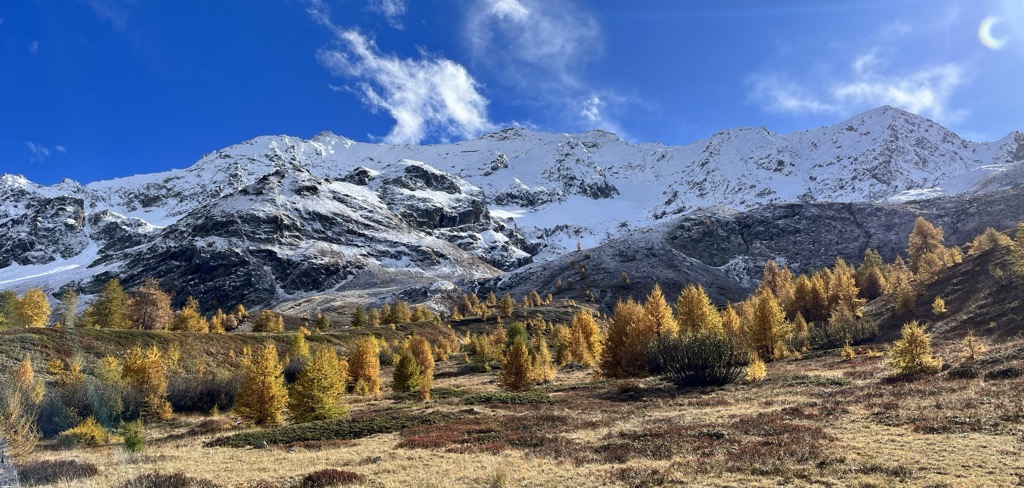
The best places to find pure larch forests, which prefer elevations between 1,000 and 2,000 meters, are the higher valleys of the Southern Alps. Here, the Mediterranean influence and aspect allow enough sunshine to reach the slopes, while also contributing to a slightly drier climate than the northern Alps.
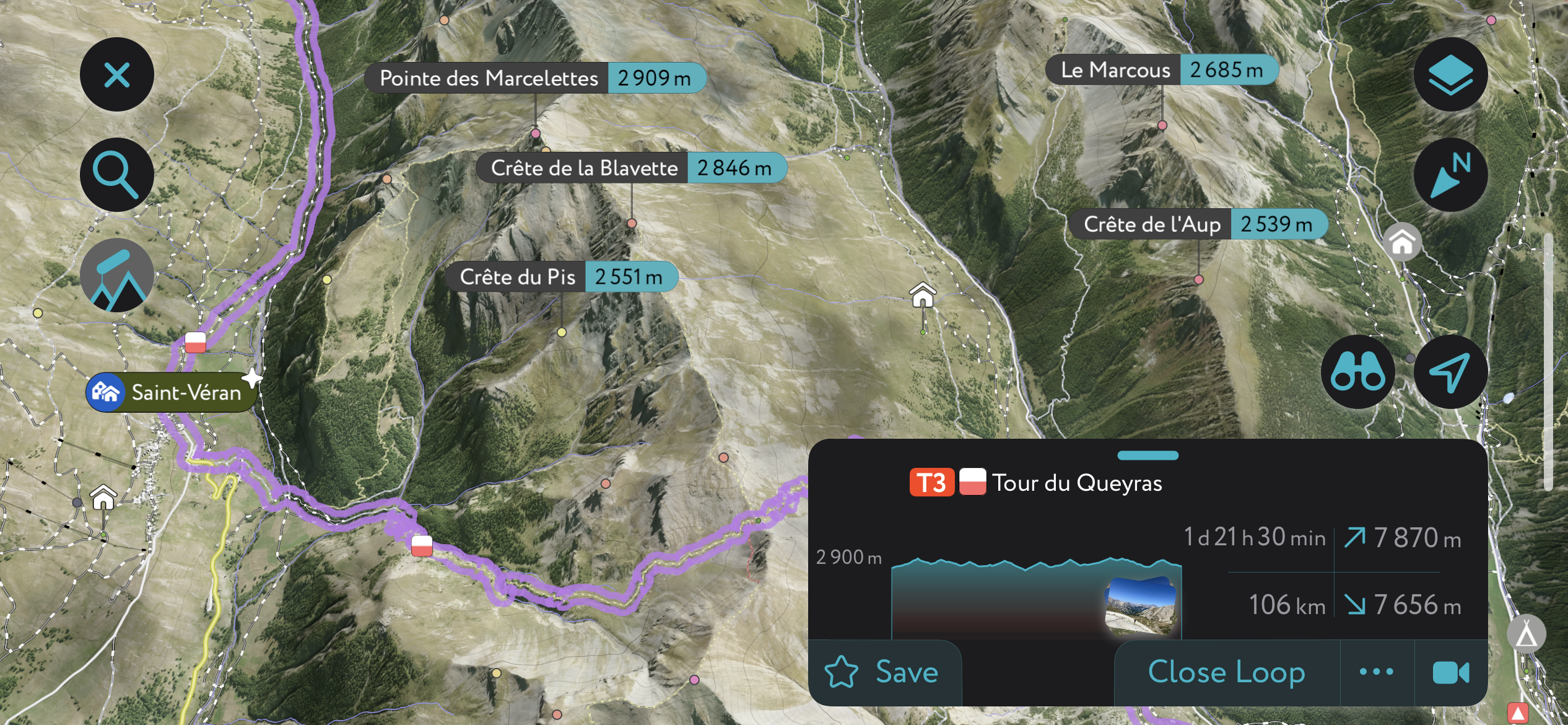
I recommend taking a trip to the Queyras, a hidden pocket of the Alps home to ancient larch forests and quaint villages, both seemingly unchanged in the last 1,000 years. Check out this article about a hiking trip I did there this summer. Looking for a trail, you can start with day hikes along the Tour du Queyras. The section around the village of Saint Veran (the highest in France) is one of my favorites.
There are hundreds of other trails to choose from—look for those below treeline. During November, there may already be snow in the high mountains.
In Italy, some of our favorite spots include Livigno, Selva dei Molini, and Val di Mello. Livigno is a sprawling but tasteful resort surrounded by towering peaks and forests.
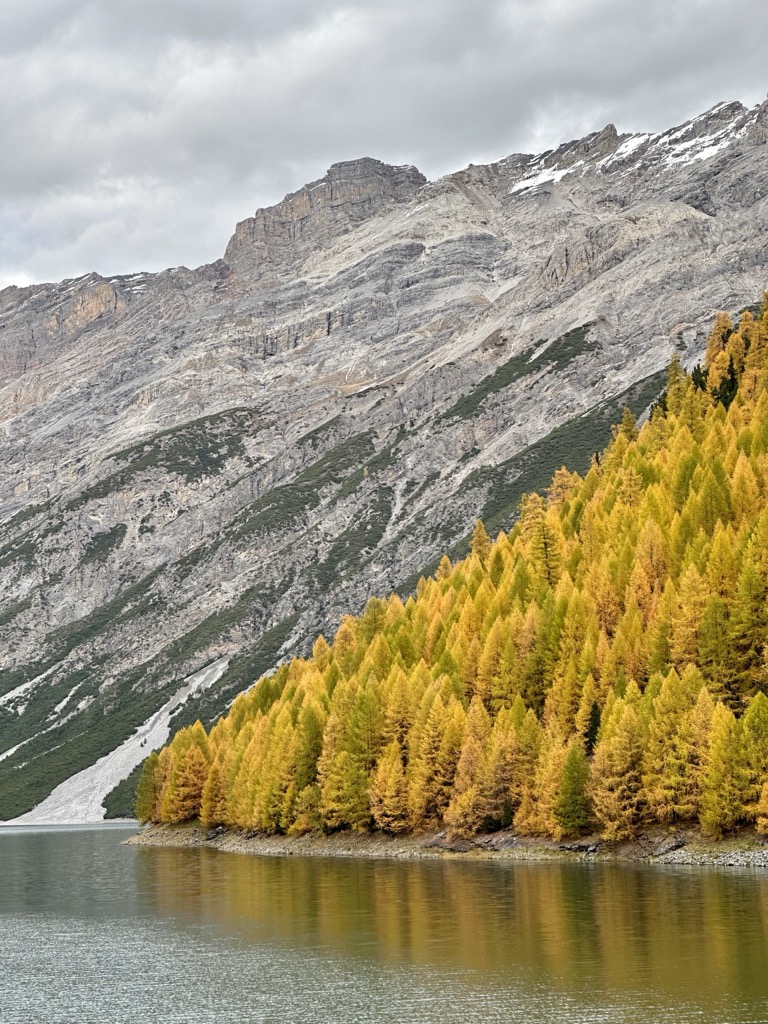
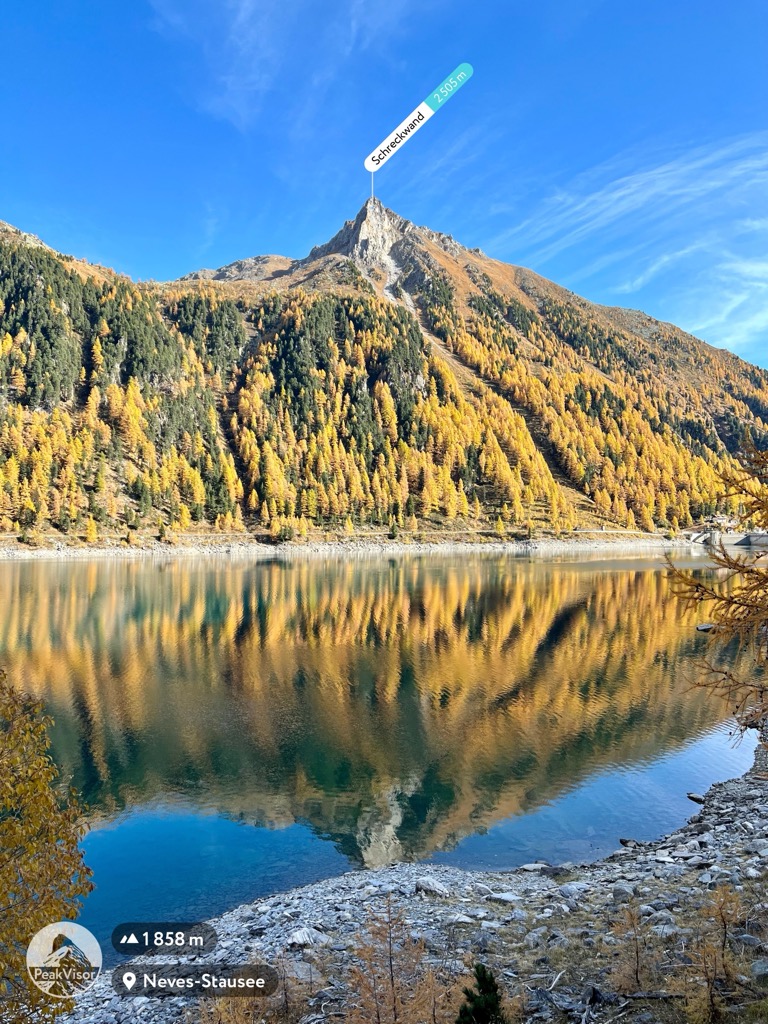
Selva dei Molini is an alpine village surrounded by the Zillertal Alps, on the border with Austria. Check out the reflection of fall foliage on Lake Neves. Val di Mello is the Yosemite of the European Alps. It’s a flat valley surrounded by towering granite walls, a favorite amongst rock climbers. However, it’s also a great place to explore the peaks and enjoy the fall foliage.
Across the mountains of Val di Mello lies the Engadine Valley of Switzerland, also rimmed by ancient larch forests and massive lakes, such as Lake Sils. The famous resort town of St. Moritz is also located in the Engadine.
Mixed forests in the Carpathians
The Carpathians are a relatively slept-on destination away from the main tourist factories of the Alps and the European cities.
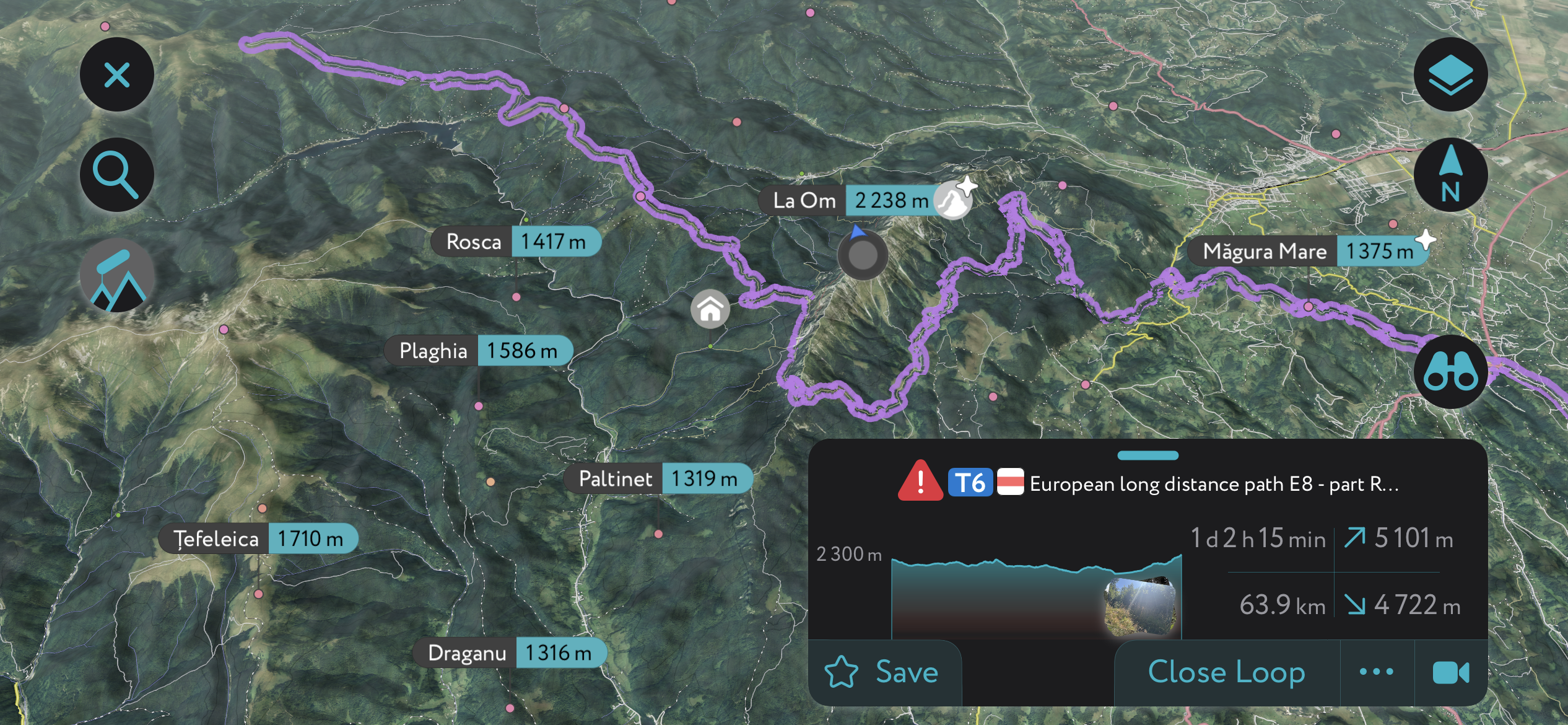
The best way to experience the Carpathians on foot is the E8. It’s one of the European Long-Distance Paths, and it traverses the entire length of the Carpathians through Slovakia, Poland, Romania, and even Ukraine!
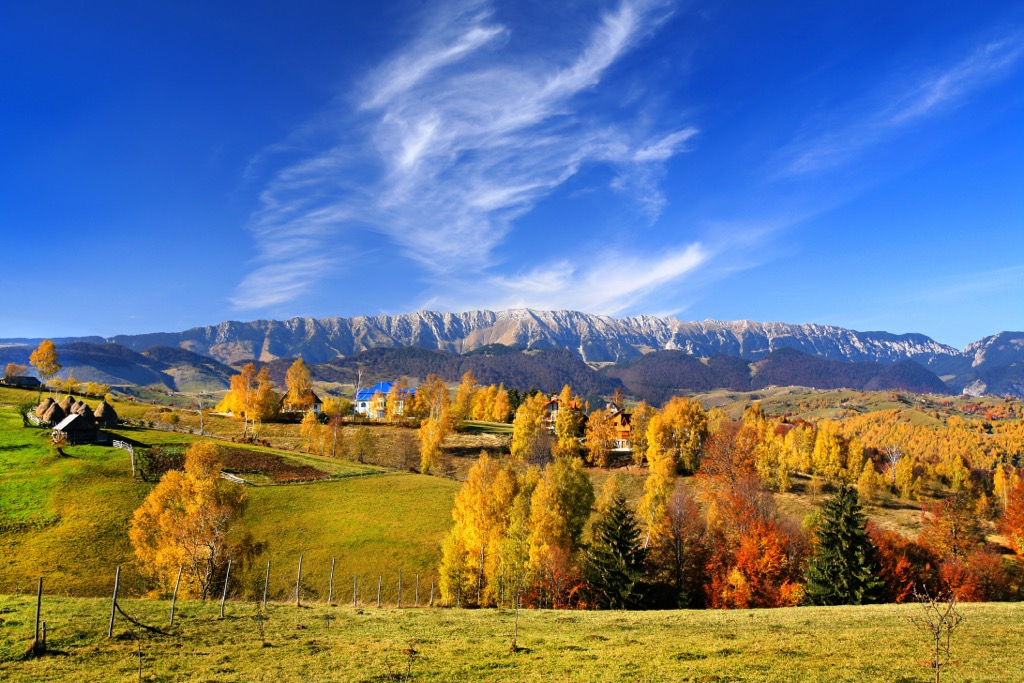
Check out the Piatra Craiului region in Romania. The E8 cuts right through here, and even bisects the town of Bran, so you’ll get to see the infamous Bran Castle, the inspiration for Count Dracula. The European beech forests feature more mixed broadleaf species, and therefore, the region lights up in October. The continental influence also brings colder nights, which facilitates the production of colorful pigments.
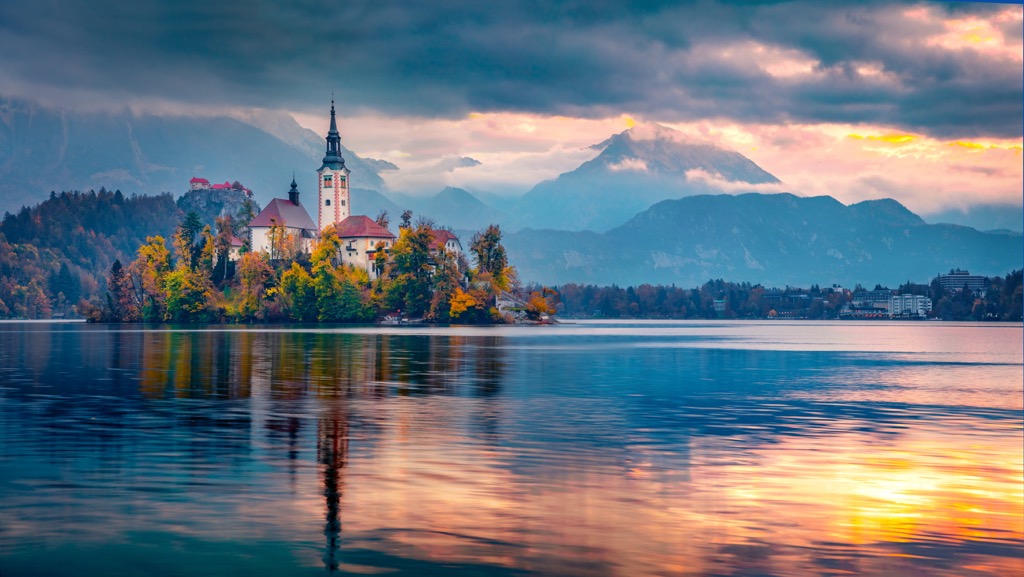
Lake Bled
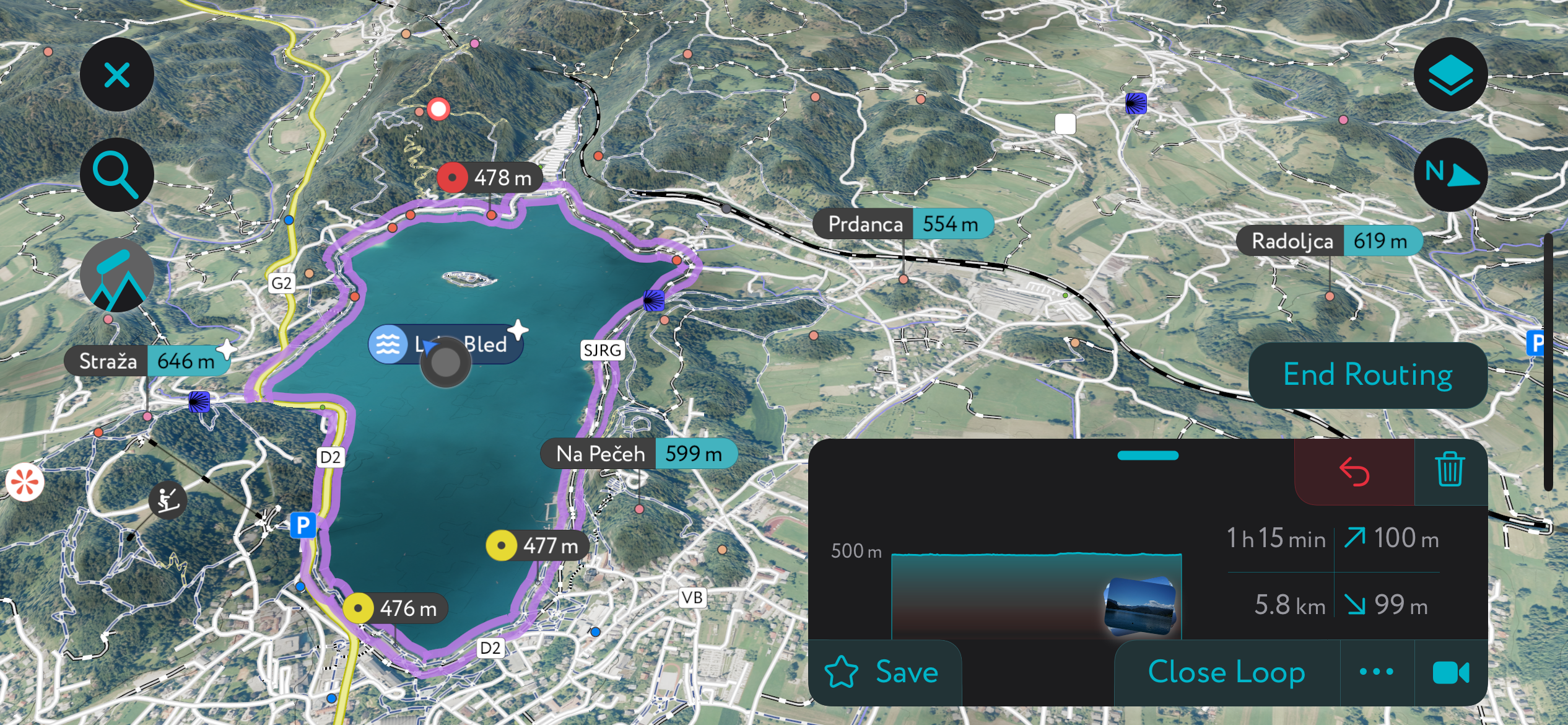
Lake Bled is one of the wonders of the world, but recently it has become a hub for overtourism. It’s not very large, and it’s accessible to families, so the nature trail surrounding the lake can become very crowded in the summer. And that’s not even considering the villages.
October is a much better time to visit this world-class destination. The fall foliage is in full swing due to the higher density of mixed broadleaf forest here compared to further west in Europe. The trail around the lake is 6 km, perfect for a morning jog or family stroll, but there are hundreds of others in the surrounding foothills of the Julian Alps if you’re looking for adventure.
Autumn Architecture
Autumn is an ideal time to explore European cities. Summer’s tourist traffic has ebbed, yet the weather stays mild enough for long walks through historic streets, which take on a new character as chestnuts, oaks, beeches, lindens, and sycamore trees shift to copper and gold.
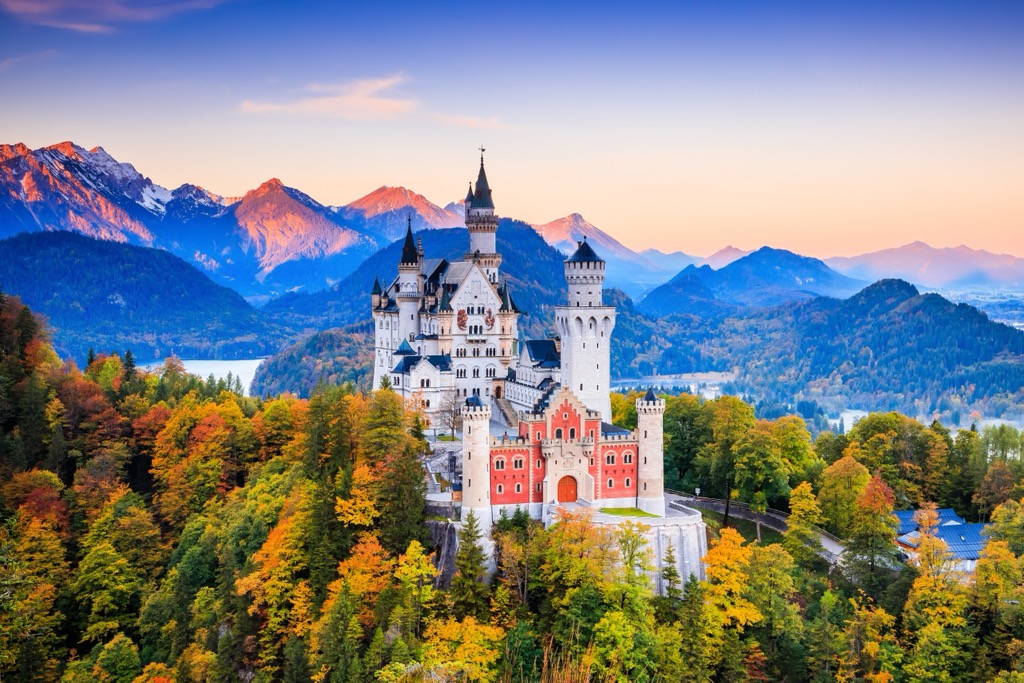
Cities like Vienna, Munich, Amsterdam, and Budapest, to name just a few, are all striking in October. PeakVisor recently visited Munich this August and loved it, though Oktoberfest is not everybody’s cup of tea (it seems many locals avoid the festival like the plague). Venture out of the city to explore incredible Bavarian castles, such as Neuschwanstein Castle, set against a backdrop of fall foliage.
Beyond the atmosphere, fall is a practical season for cities. Accommodation prices ease from their summer premium and popular landmarks are less crowded. That means museums, cathedrals, and old towns are easier to enjoy at your own pace. With fewer tourists and more locals about, cities feel much more intimate…and that’s priceless.
Follow the Forests: Scandinavia
If you want to get off the beaten path and explore some truly remote and endless forests, pack your things and ship off to Sweden or Finland.
I wouldn’t have considered this as an autumn destination until I started researching for this article. That’s when I learned that there is a special word in Swedish for autumn coziness: höstmys. That really spoke to my heart.
For foliage, Swedish Lapland is a standout. In early September, the birch forests and tundra shrubs around Abisko National Park and the Kungsleden trail blaze with gold, framed by mountain ridges that may already carry the first snows. You can also consider the national parks of Sarek and Padjelanta. These are some of the most remote places you can find in Europe.
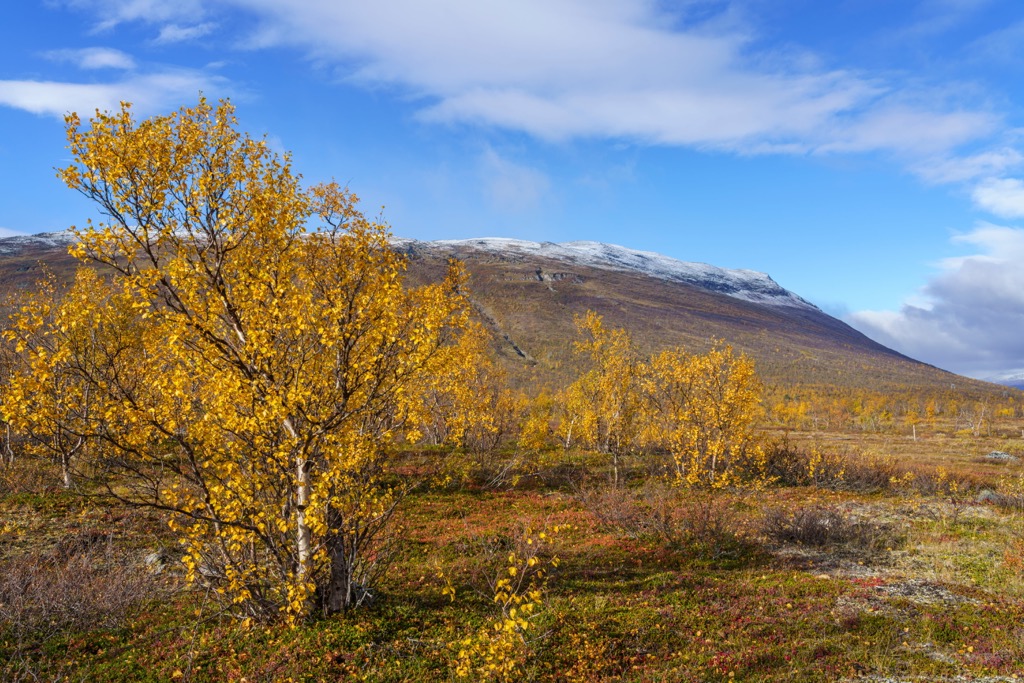
The short, intense autumn season feels almost like a festival of color before winter takes its stranglehold (this region experiences polar night throughout the winter). Just mind the weather; it can start getting quite dreary this time of year if the rains arrive.
Farther south, October is the prime month. Around Stockholm, Djurgården and Hagaparken provide easy access to glowing maples and oaks, a respite from the beech forests that dominate most of western Europe.