A Leaf Peeper’s Bible
It’s nearly that time of year. The sun begins to sink low in the sky, casting shadows along the trail. As the sun's influence wanes, nights become comfortably cool.
These seasonal shifts precipitate an annual tradition for the billions of trees that call the USA home. Like dying stars, the leaves erupt in a supernova of color, a last celebration of their brief time on this planet.
“Leaf peepers” is the endearing term bestowed upon those of us who are so enamoured with this natural phenomenon that we choose to seek it out. Some of us prefer autumn over any other time of year. It’s about that smell of decay in the air. The warm, but not hot, sunshine. The relatively empty trails (and highways getting to those trails).
This article dives into the science behind the magic of autumn color and why the U.S., especially the northeastern forests, offer the most spectacular displays on the planet. Moreover, having been across many regions of the U.S., these are the best places I’ve found to enjoy the autumnal spirit.
The Best Place on the Planet for Fall Colors
It’s easy to take things for granted when you’re young, and one of the things I most took for granted was the fall season. I came of age in Connecticut, land of the four seasons. Don’t get me wrong; I loved it, but I suppose I assumed it was like that everywhere.
A life well-traveled has proved to me that this is not the case. While there is something to appreciate about autumn seasons everywhere, no region quite matches New England (and southern Canada, the leaves don’t stop at the border).
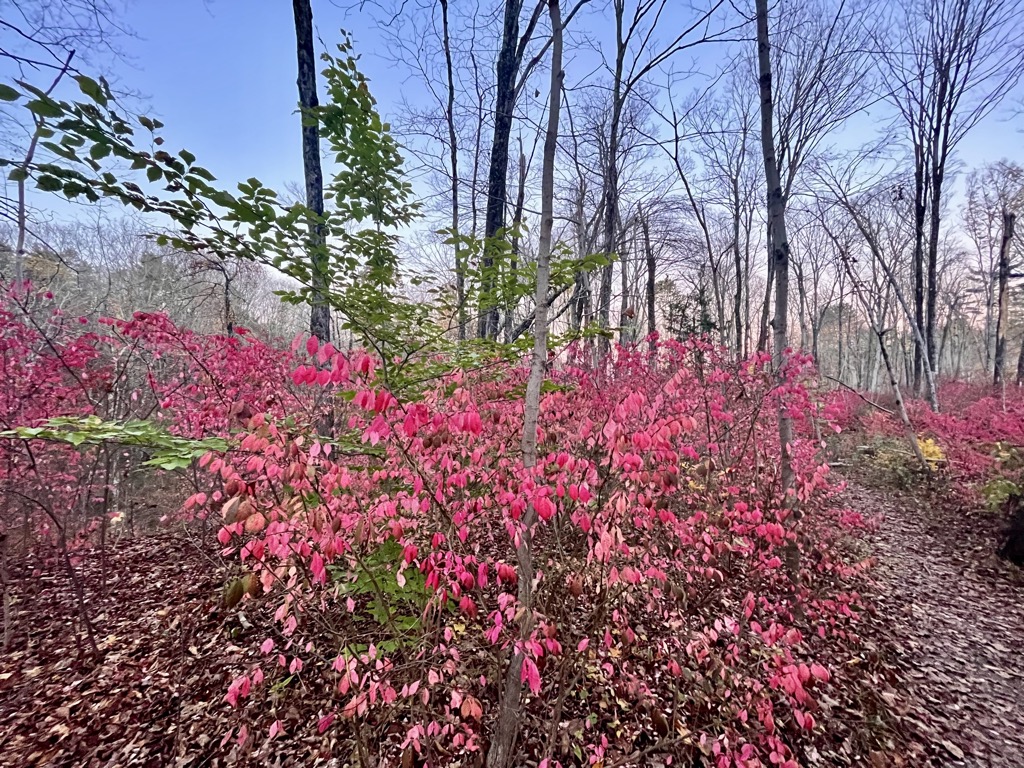
What Makes the Northeastern Forests So Spectacular?
One of the reasons why the foliage in New England is so great is simply that there are so many darn trees! The western and midwestern thirds of the country are largely desert and grasslands, but once you cross the Mississippi River, the climate becomes ideal for dense temperate forests.
These forests are home to a wide diversity of broadleaf, deciduous tree species. Not every tree creates a fantastic display of color when it loses its leaves, however. New England is home to many exceptional species for colors, such as Dogwood, Oak, Quaking Aspen, and Ginkgo.
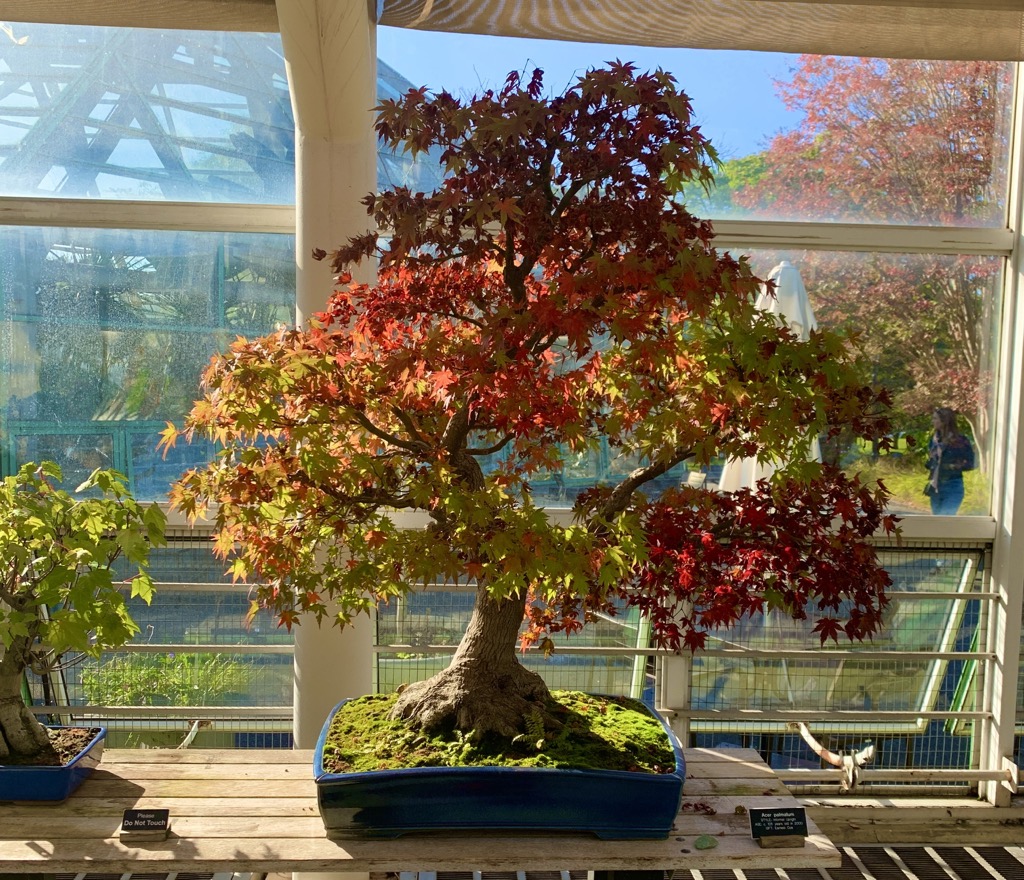
Yet none reigns over the king of all colors, the Maple tree (Acer spp.). Maples are what really put New England on the leaderboard (I’ve also heard that Japan is home to fabulous colors from the Japanese maples, Acer palmatum). To find the best foliage, you need to follow the maples (pssst…Vermont!).
Alas, there’s even more science behind the colors. While many trees have pigments that become “revealed” when chlorophyll (green) breaks down, maples actively produce pigments known as anthocyanins. These are what create the brilliant reds and even purple tones that you see in the fall.
But there’s more. Anthocyanin production is highly dependent on climatic factors. The most important things are warm, sunny days and cool, crisp nights. These factors promote sugar production, and the trapped sugars fuel the production of anthocyanins.
Not all years are created equal. The best colors are the result of years when trees are not overly stressed. For example, an ideal year is one of moderate rainfall, neither too much nor too little, with the typical stress of oncoming winter (cold nights). In contrast, a severe drought or a deluge of rainfall is likely to hamper anthocyanin production.
The forests of eastern North America, and particularly New England, check off all these necessary boxes for foliage.
Top Destinations for Autumn Colors!
Vermont
Look, there’s just no place better for fall foliage than Vermont. An astute reader may have already made the connection, given that Vermont is famous for its maple syrup. Syrup is essentially a reduction of the sap from sugar maple trees. The state is full of them, and the colors are spectacular.
Another great thing about Vermont’s forests is that there are relatively few pine trees, especially in the south and central parts of the state. It’s deciduous trees as far as the eye can see.
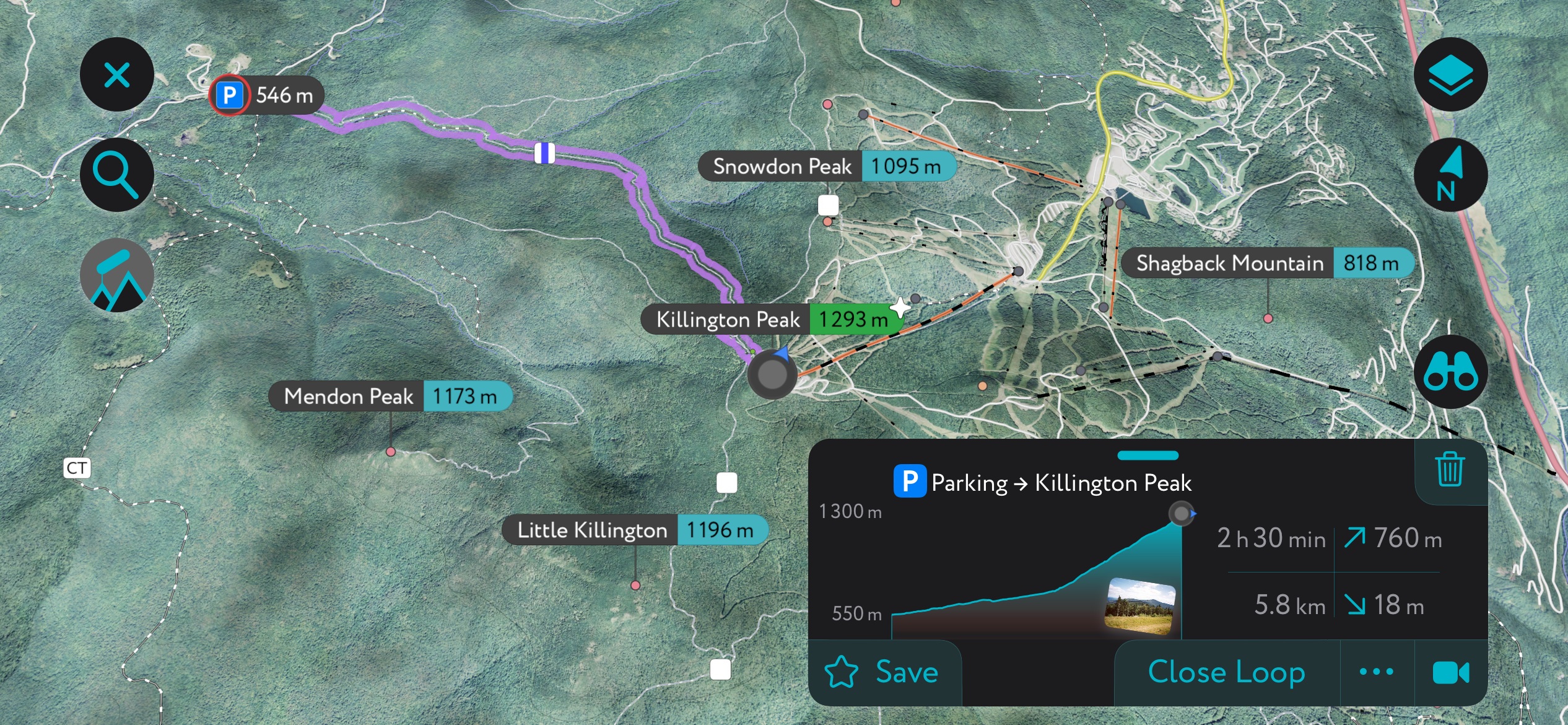
You can’t go wrong in Vermont; you could throw a dart at the state, and the place where it lands will be beautiful. However, I suggest the area around Killington as a starting point. I’ve spent a lot of time around here, and it’s utter perfection.
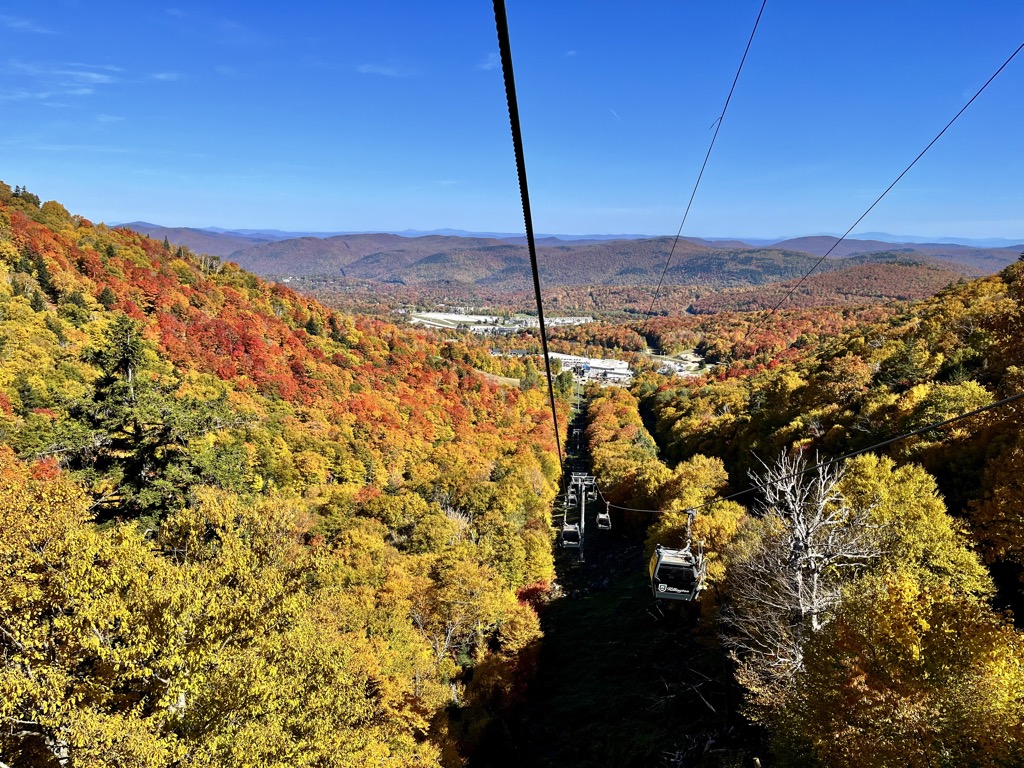
I can give two recommendations for hikes to start. First, try hiking up to Killington Peak. It takes 3-4 hours if you’re in decent hiking shape. Killington is also great for families because a gondola runs to the top of the mountain through October.
Next, I recommend heading down the hill from Killington to the western side of Kent Pond. Check out the pond, which is incredible during the fall (though you can’t really swim, as it’s muddy and filled with invasive milfoil weeds). From there, you can join the famous Appalachian Trail and head either north or south.
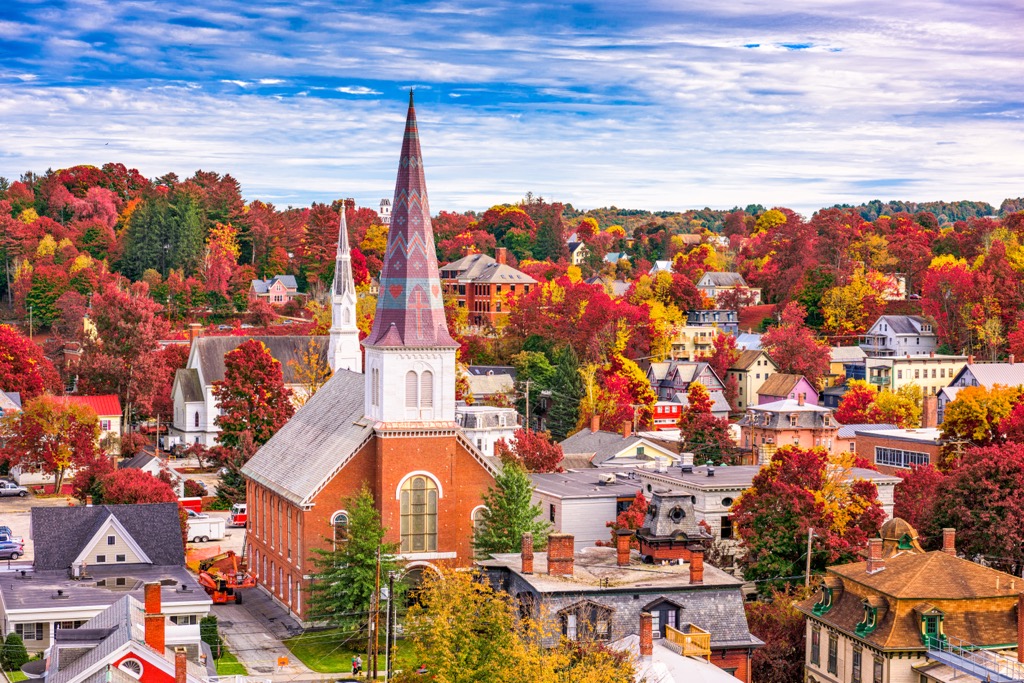
Northwest Connecticut
Northwest Connecticut is my original love because I grew up not far from here. I used to think that this region had the best fall colors until I spent a fall season working in Vermont.
Like many parts of New England, one of the best aspects of this region is the historic colonial villages and sprawling agrarian estates. Most of these places are now owned by wealthy second-home owners from New York, but these buyers have maintained their properties well, and they are beautiful to look at as you navigate the winding country roads.
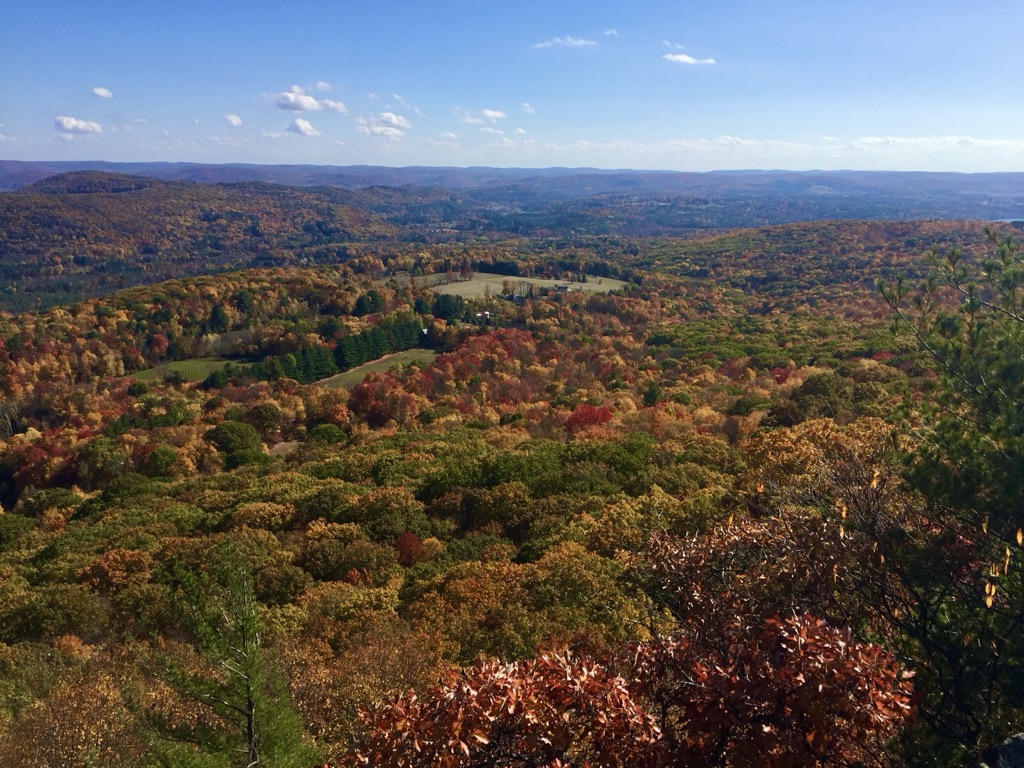
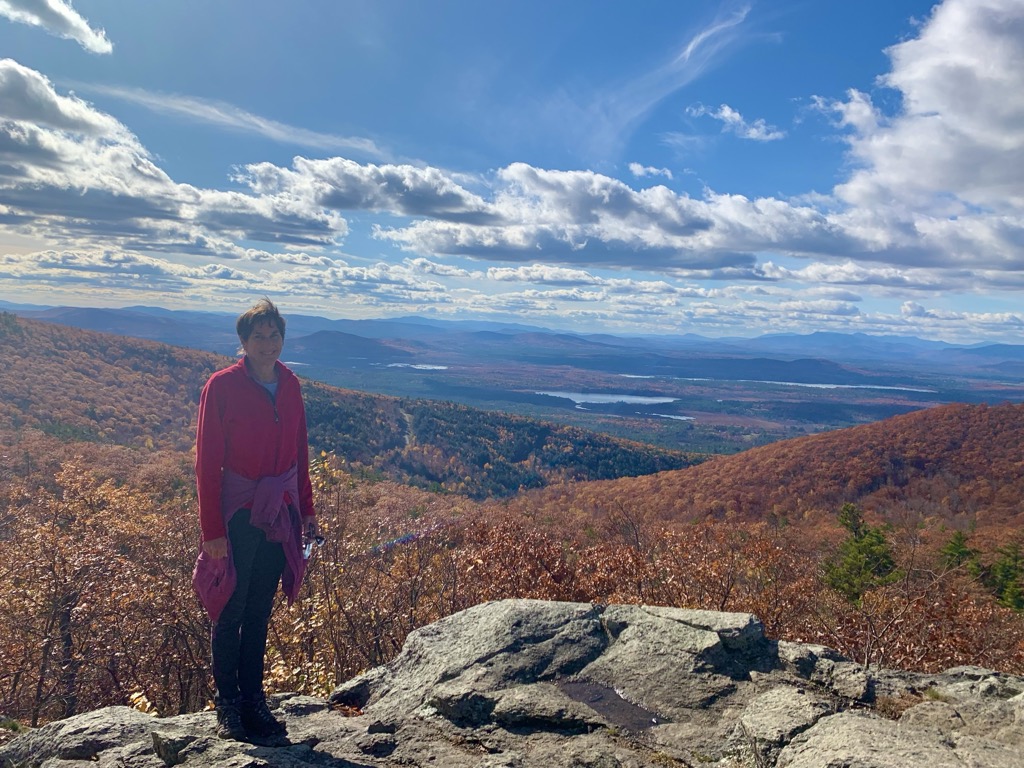
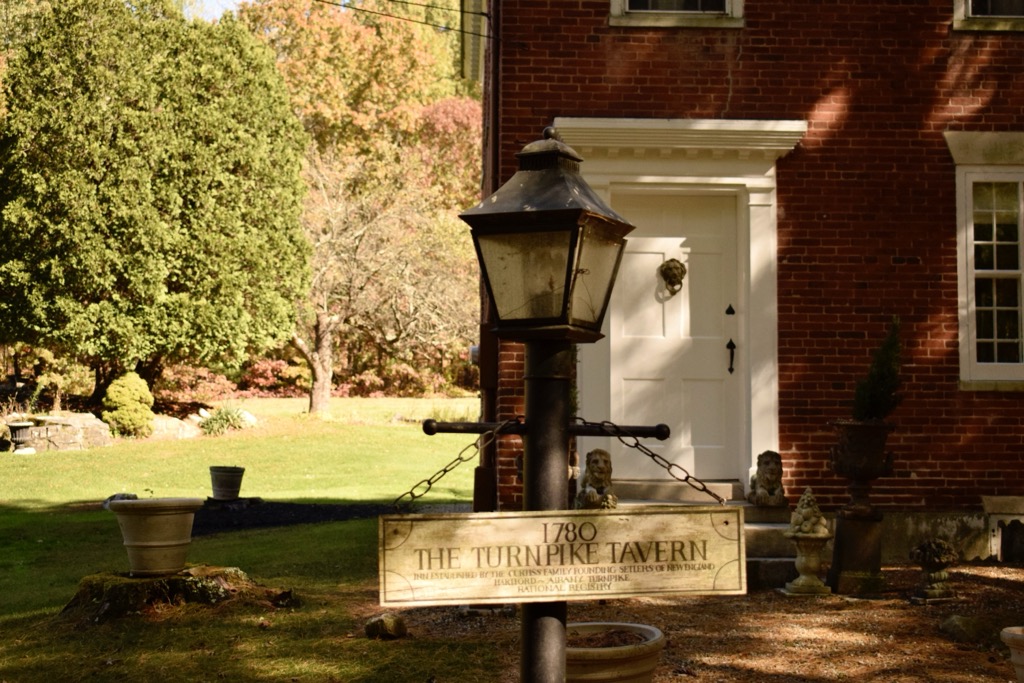
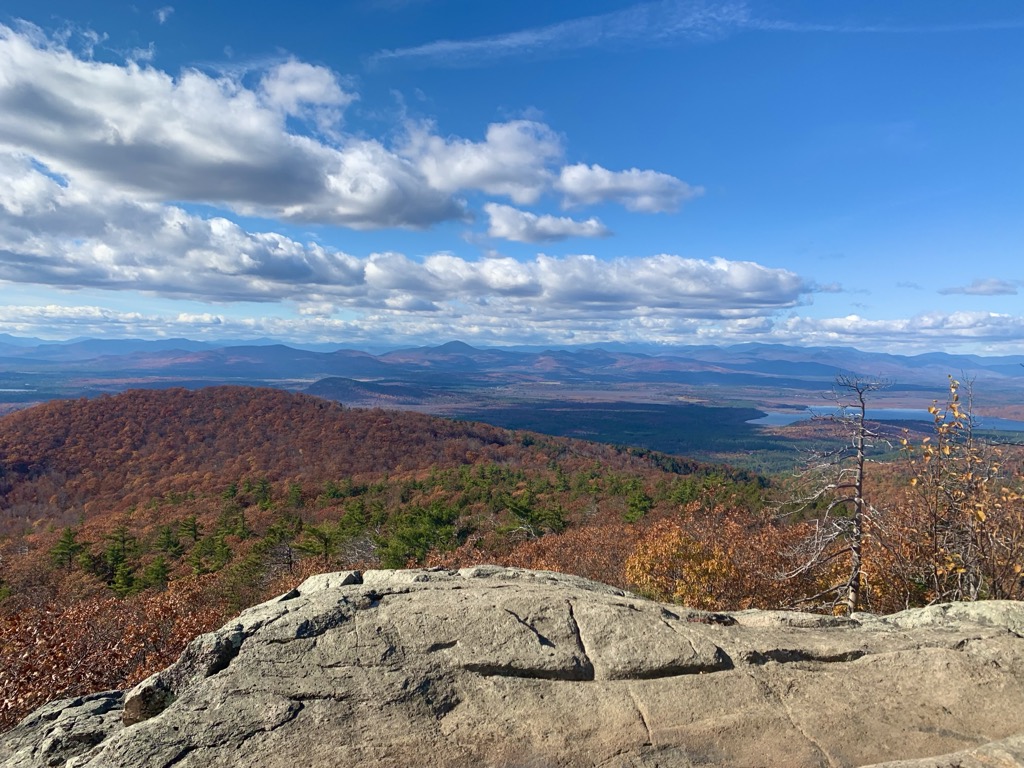
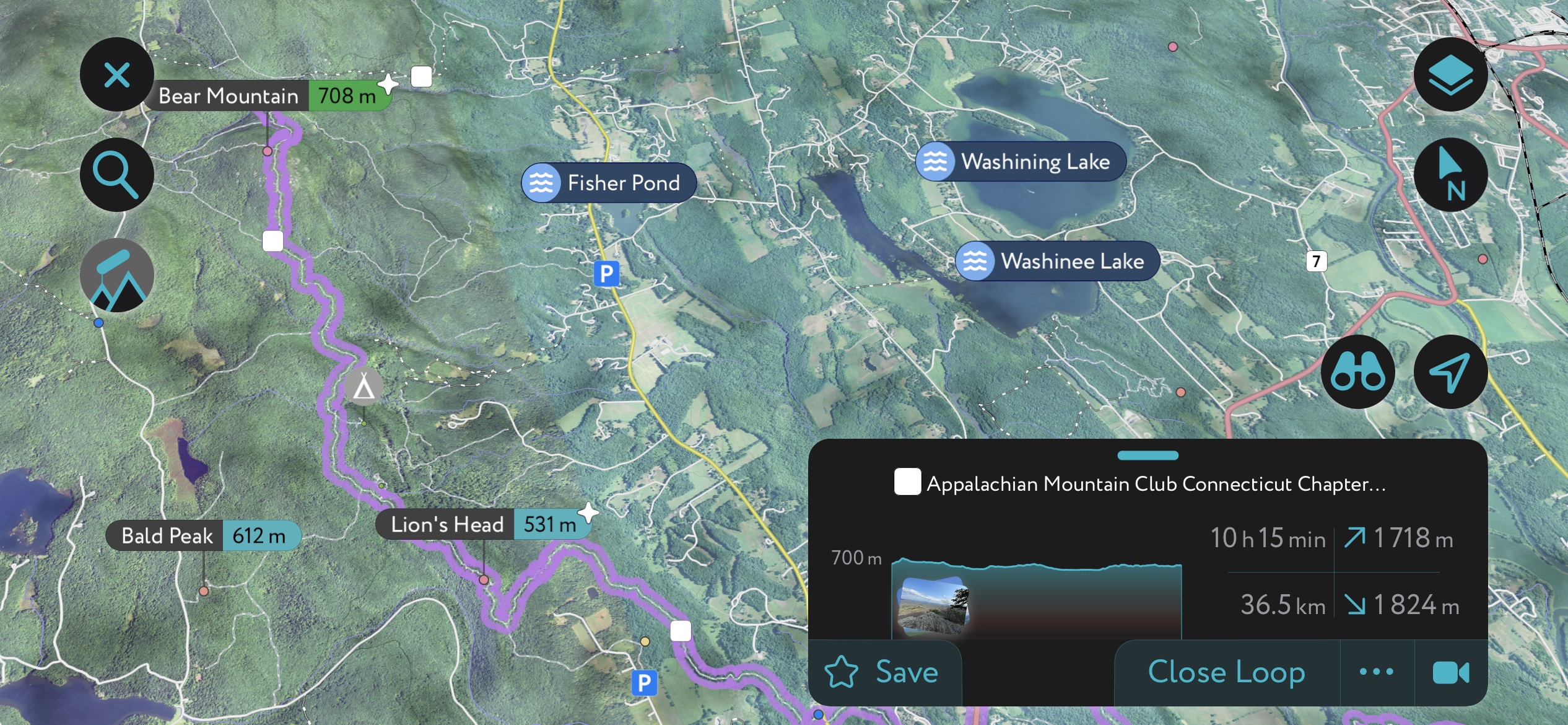
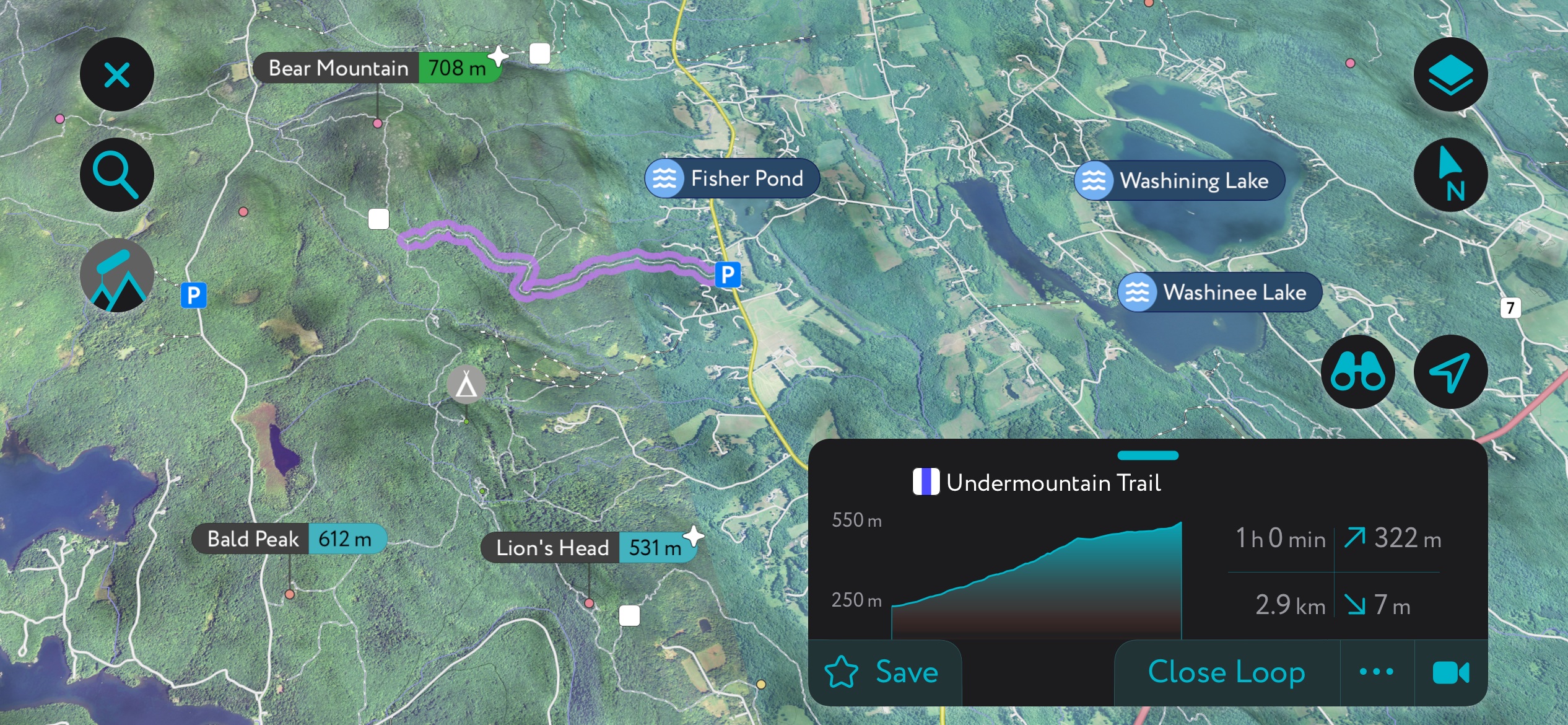
Towns like Canaan, Salisbury, and Falls Village are home to some of the prettiest scenery and are surrounded by little gumdrop mountains. I recommend starting with the hike up to Bear Mountain, the state's highest peak. It’s only a few hundred meters of elevation gain (1000 ft) when you start from the road; take the Undermountain Trail from the trailhead at Under Mountain Road (easy enough to remember).
The Appalachian Trail also runs through this part of CT. The Undermountain trail joins the AT; head right to summit Bear Mountain, and left to venture toward Lions Head. You can also link up with the AT at numerous other spots in this region.
Mid-Coast Maine
Maine is a classic four-season destination. The AT ends at the summit of Mount Katahdin, in Baxter State Park. The mountains here are rugged and beautiful, but they aren’t the best for foliage because the forests are mixed with evergreen spruce and fir trees. Also, the soils aren’t as good, so there aren’t many maples (the best colors) in the mountains.
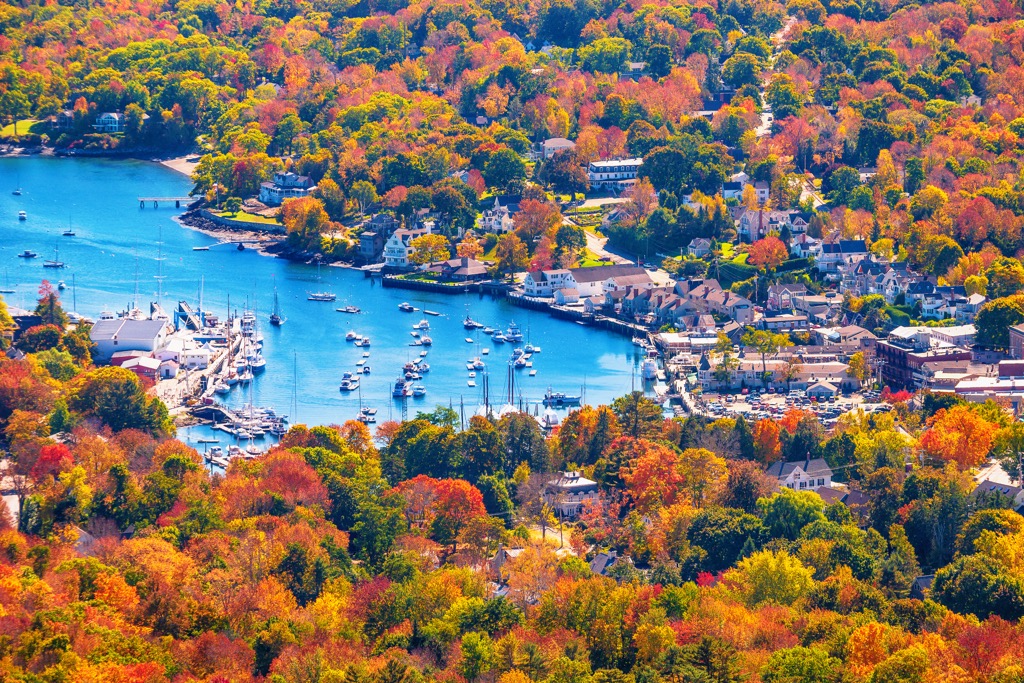
Instead, for the best autumn scenescapes, I suggest skipping over the mountain destinations where the AT passes and venturing to the “mid-coast” region. More specifically, the coast between the towns of Rockland and Belfast is home to many adorable towns and villages, and the lingering vibe of the artist getaway it once was (and still is, to an extent).
These places are packed in July and August, but by October, things have calmed down. You won’t feel like you’re in a tourist mill.
Camden Hills State Park is the best place for hiking, with Mount Megunticook reaching 422 meters (1,385 ft) directly from the shoreline. It’s harder than you think to reach the summit; the Ridge Trail involves a bit of scrambling.
Another perfect adventure is the Vinalhaven and North Haven islands. You can take the ferry from Rockland and spend the day exploring this unique, windswept island; however, I recommend bringing a bike to enhance your exploration. It’s mostly a reserve, but the islands aren’t linked up by hiking trails like Camden Hills State Park.
The mid-coast isn’t just a hiking destination. In fact, road biking is a better way to explore here. You can also navigate the many bays and inlets in a kayak, or take any number of scenic ferry rides.
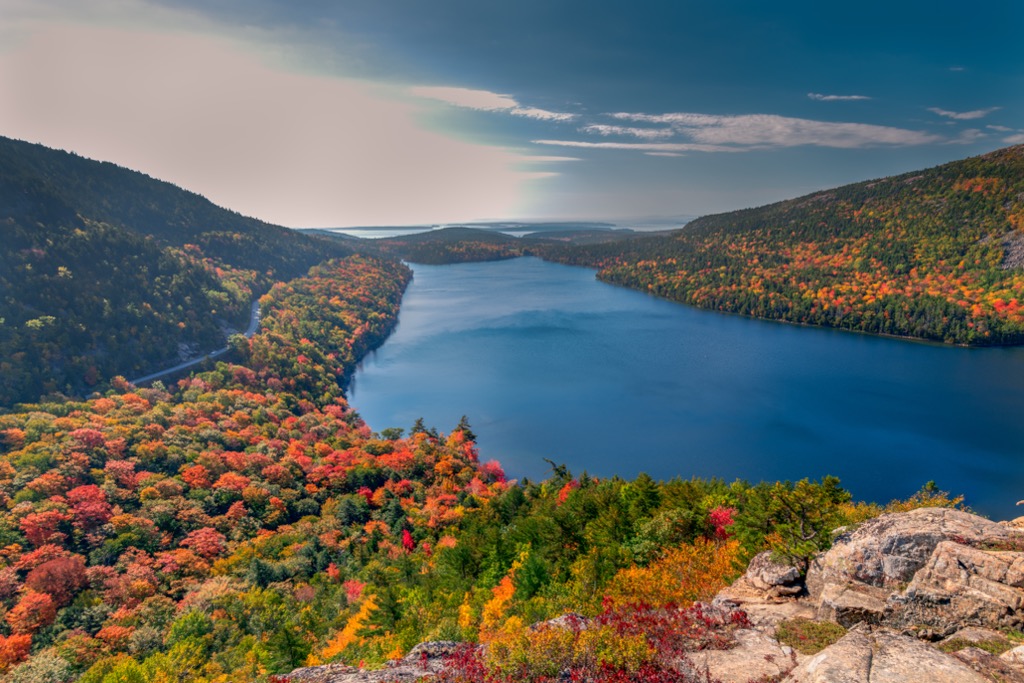
Of course, I must mention Acadia National Park, a couple of hours further east along the coast. It’s the most famous natural destination in Maine. The hub is a town called Bar Harbor, and it’s a total tourist trap. However, most tourists don’t venture far from the road, so you can enjoy any number of incredible hikes with little company. Let me just say, however, it’s not the real “Maine” experience.
Colorado, Land of the Aspens
The only place I’ve seen that can compete with the foliage in New England is the land of the Aspen tree, roughly central to the southern Rockies. It’s an astonishing display of colors against a backdrop that you’ll find in few other places in North America.
Aspen trees extend throughout North America, including New England, but in Colorado, they can outcompete essentially every other deciduous tree species. This unique species thrives at elevation and on well-drained slopes, precisely where other species do not.
The result is entire mountainsides covered with Aspen trees, which turn yellow, orange, and red when the leaves stop producing photosynthesis. From afar, their white trunks make them look like matchsticks burning up.
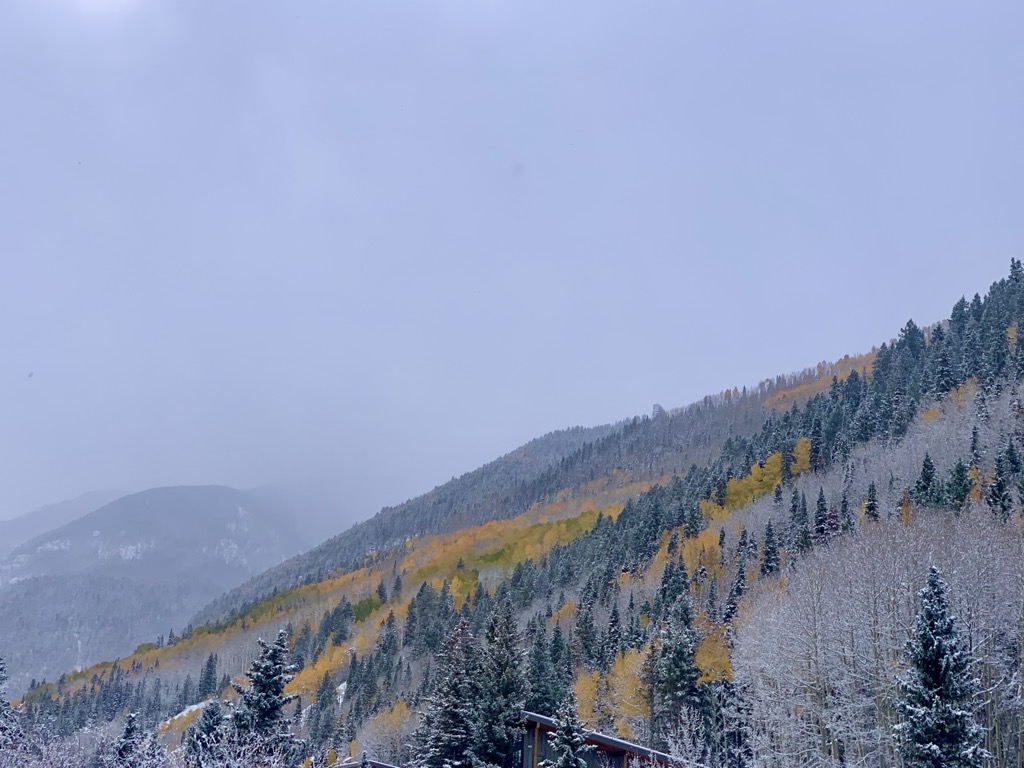
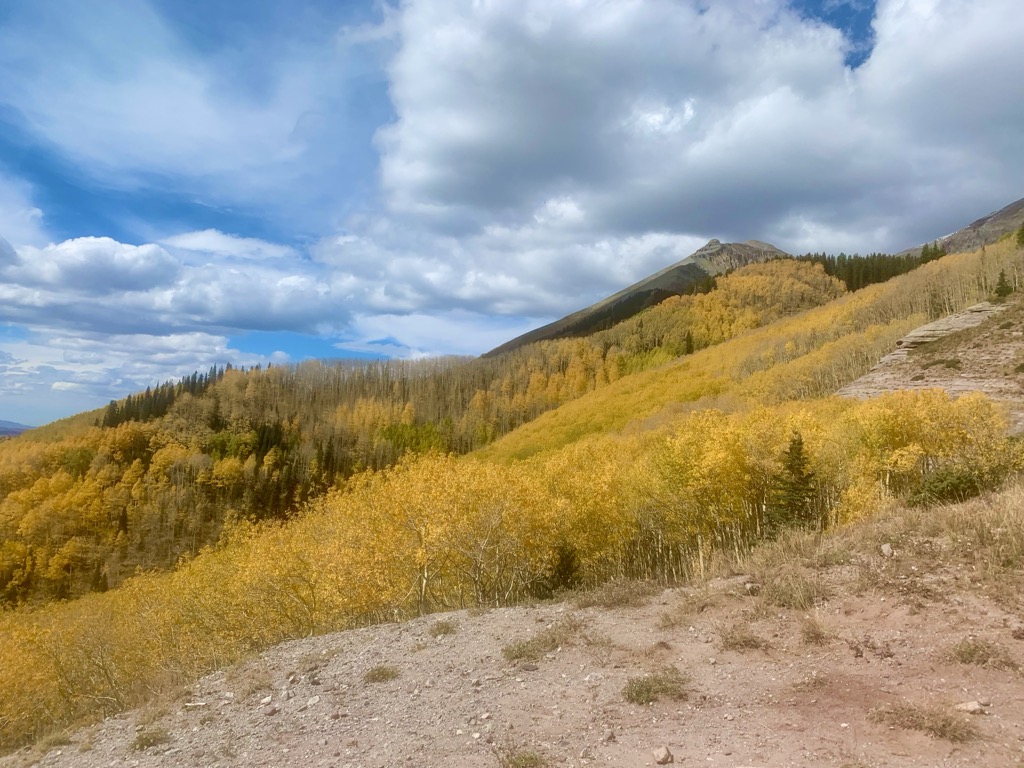
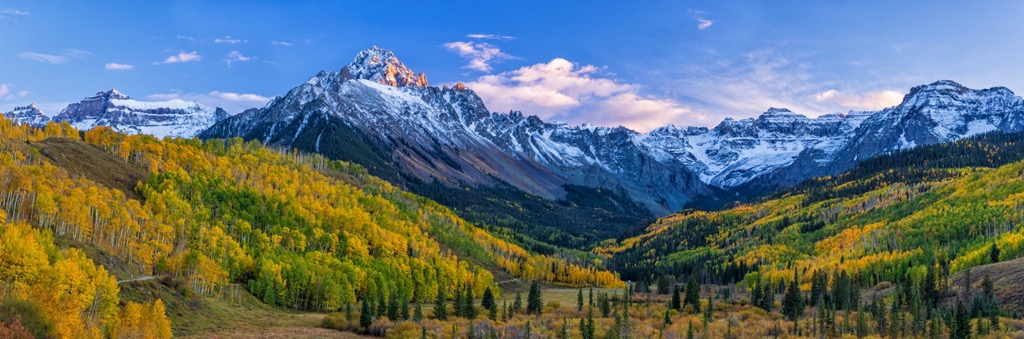
The colors aren’t as varied and striking as in New England, but when you factor in the topography, you’ve got a winning combination. Backdrops of dramatic, snow-covered mountains have become fodder for photographers, and you’ll see framed photos up anywhere you go in Colorado, whether it’s the dentist's office or a hotel lobby.
I recommend heading to the Western San Juans, where massive Aspen groves are overshadowed by towering, craggy mountains—you won’t find mountains this rugged elsewhere in the state. Aspen and Telluride are obvious, well-known options. The Sneffels Highline Trail in Telluride is among the world’s best, and probably the top trail to see fall colors. For a less well-known destination, Rico is an old mining town that still retains much of its grit. It’s a gateway to many trails, but the Colorado Trail is the obvious one to point out. You can reach it easily if you drive up Scotch Creek Rd (you’ll need clearance, but not 4x4).
Using the PeakVisor App
You can plan and track your fall hiking adventure on our mobile app. The app is a treasure trove of information, featuring thousands of routes, trails, peaks, cabins, and parking areas worldwide. It’s like having a detailed map of the entire world in your pocket.
When planning a trip, you can view all the statistics for each hike, including vertical gain, length, and estimated time to completion. You can also use our desktop planner to explore on the big screen, seamlessly saving routes to your profile on the mobile app.
In addition to planning your own route, you can also upload .gpx files if we don't have a trail on our servers. The PeakVisor app is available for iOS and Android; give it a shot and discover our visually stunning 3D Maps, adding a new dimension to your alpine adventures.