
Scan the QR code and open PeakVisor on your phone
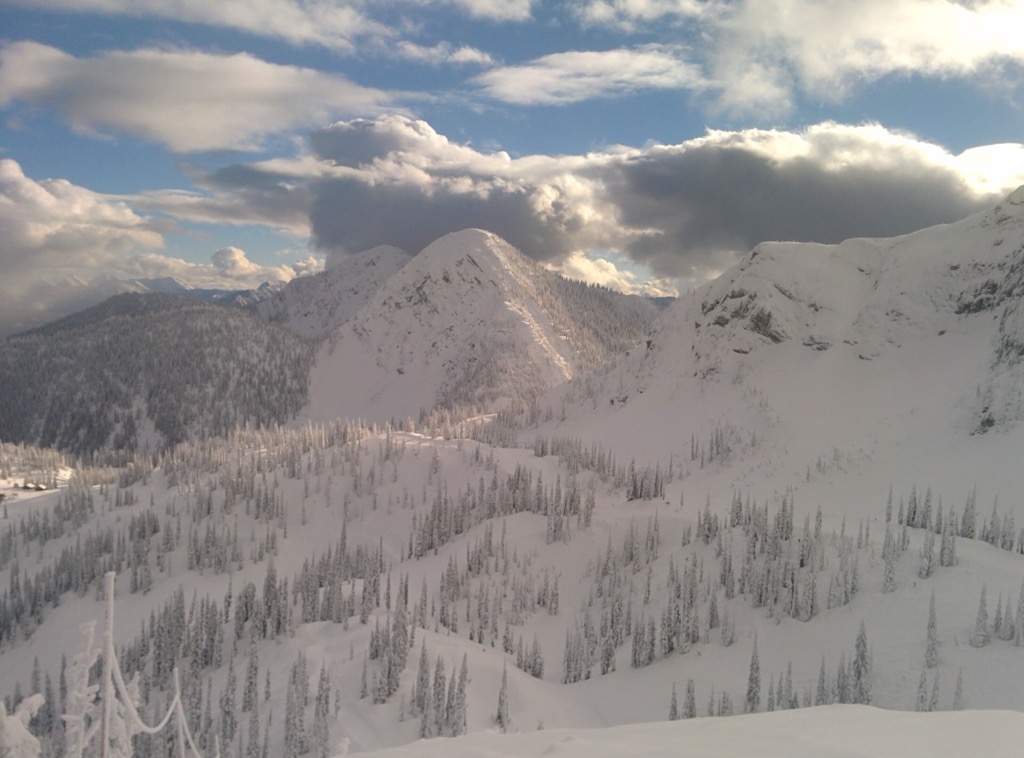
Fernie Alpine Resort is the second-largest ski resort in Canada after Whistler Blackcomb. It is located in the British Columbia region in the Canadian Rockies range at an altitude between 3,451 and 7,000 ft (1,052 and 2,134 m) with a vertical drop of 3,550 ft (1,082 m). The main feature of Fernie is its five legendary powder bowls: Currie, Timber, Siberia, Lizard, and Cedar. The resort has more than 88 mi (142 km) of slopes and 2,500 acres (1,011 hectares) of skiable terrain served by 10 lifts. The Fernie Alpine Resort season generally runs from early December to mid-April. If you’re looking to escape the crowds and poor snow conditions of other North American resorts, you may want to put Fernie on your radar. Having skied Fernie quite a bit over the years, my guide offers plenty of insights to optimize your trip to this fantastic destination.
Moreover, prices here are in Canadian dollars; US dollars, euros, pounds, and other Western currencies are subject to a favorable exchange rate (as of Nov 2024, the exchange rate is 72 US cents per Canadian dollar).
Located on the Powder Highway, Fernie is one of eight British Columbia resorts known for deep snow, epic heli- and cat-skiing, and authentic ski town vibes (the other seven are Panorama, Kicking Horse, Revelstoke, Kimberly, Fairmont Hot Springs, Red Mountain, and Whitewater). Fernie’s distance from the Coast Range provides cold and dry continental weather that breeds some of the best powder snow in North America. When it dumps, be prepared for true champagne powder. Fernie Alpine Resort averages over 30 ft (9 m) of snow annually.
Administratively, the resort is 4.5 mi (7.3 km) outside of the town of Fernie in the Regional District of East Kootenay in southwest British Columbia. It is one of several major ski resorts near Calgary, Alberta, within a 3 hours drive.
Geographically, this Canadian ski resort is in the relatively small Lizard Range, a subrange of the Crowsnest Range of the East Kootenay Rockies of the Canadian Rockies. The Rocky Mountains is the largest range in North America and stretches over 3,000 mi (4,830 km) from western Canada to New Mexico in the United States. Given the range’s geological youthfulness—erosion has not affected these mountains as much as others—these mountains hold some of the continent’s most stunning peaks.
The Three Sisters is the area’s tallest peak. At 9,147 ft (2,788 m), it towers over the town of Fernie. The resort is also located within Mount Fernie Provincial Park (Mount Fernie is 7,520 ft / 2,210 m), an outdoor recreation area known for camping, hiking, backcountry skiing, and mountain biking.
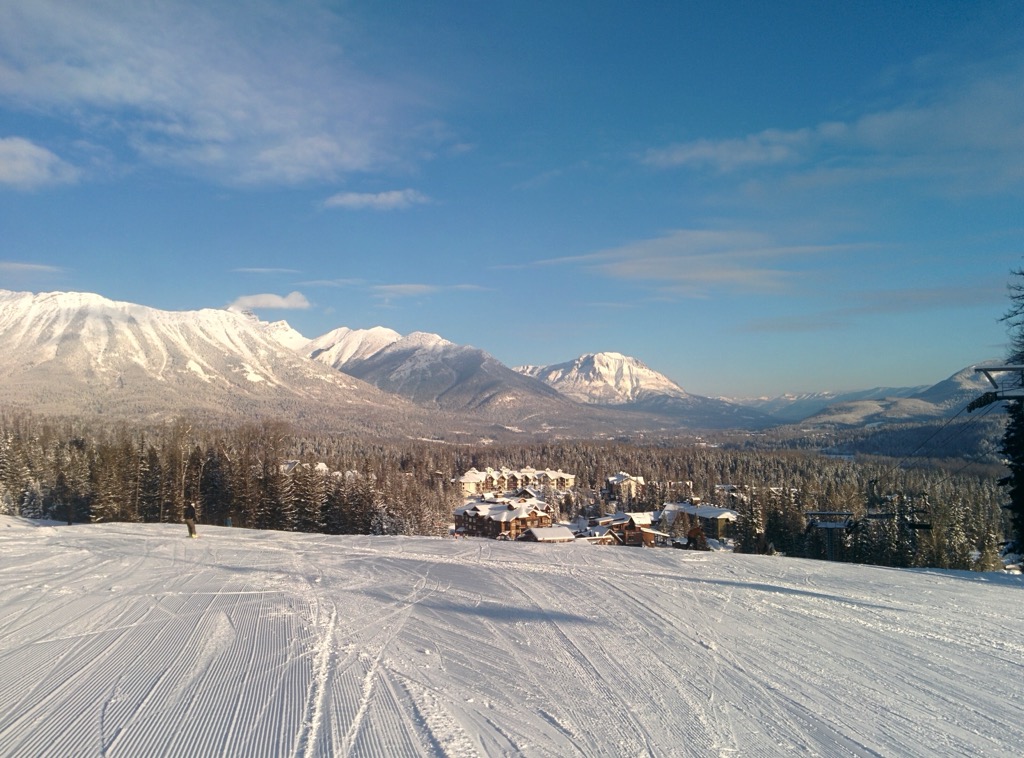
The ski resort is relatively simple and easy to get to, even for travelers from other countries. Here are the basic options:
Fernie Alpine Resort has two nearby airports providing access to the resort:
If you prefer to drive from the airport to Fernie, there are several rental companies to choose from. Rentals usually cost around $40 per day.
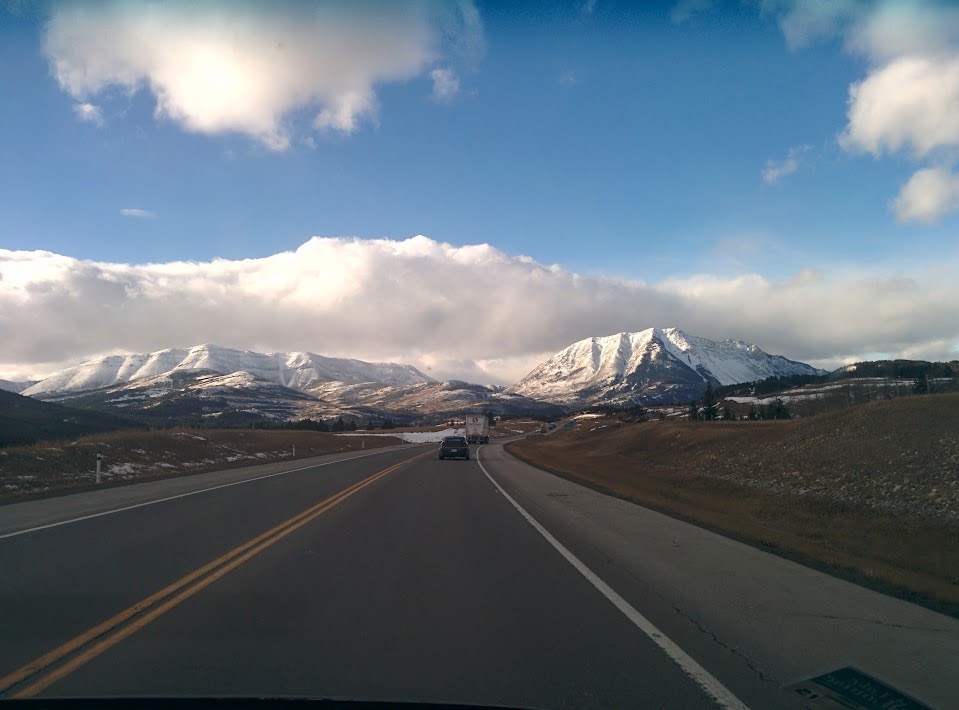
There are several free parking lots at the base of Fernie Alpine Resort. Upper lots right by the base fill up quickly; lower lots are a 5-minute walk to the base. If you are staying in the actual town of Fernie, there is a FernieStoke Ski Shuttle, which takes you to and from the resort multiple times a day. It costs $4 per trip.
From Calgary (YYC) and Cranbrook (YXC) airports, Tunnel49 operates daily shuttles. A one-way fare costs $200 and $150, respectively. There are also private shuttle options from Airport Shuttle Express that provide the fastest door-to-door options with flexible times for pickup.
It is important to note again that Fernie Alpine Resort and the town of Fernie are 4.5 miles (7.3 km) apart.
The ski resort consists of a small village surrounding the base of the mountain. This area is easily accessible by foot and takes less than 10 minutes to walk across. No public transit is available in town, though there are two taxi companies to attend to your travel needs.
The ski season at Fernie Alpine Resort stretches from early December to mid-April.
Fernie tends to be moderately busy compared to other ski resorts in British Columbia. Compared to Whistler, as well as the large U.S. resorts, Fernie is uncrowded. Due to its proximity to the Powder Highway, skiers have multiple resorts to choose from as they spread out across the British Columbia interior.
But weekends are usually still busy, so if you’re looking to avoid the crowds, mid-week is the best time to visit Fernie Alpine Resort.
Fernie Ski Resort is sandwiched between two large air masses. The cold, dry air from the North American continent interacts with the Pacific Ocean's relatively warm, moist air, producing the legendary powder snow for which Fernie is internationally known.
That said, prepare for cold, powder-filled ski conditions for most of the season. Temperatures can range from +32 to –22 ºF (0…–30 ºC); however, expect skiing conditions in the low teens ºF (–12 ºC). Warm layers, balaclavas, and hot packs are definitely recommended. Few resorts are truly immune from wet snow and rain in our day and age, and Fernie is no exception. Occasionally, warm Pacific air makes its way over the coast ranges and drops rain and mixed precipitation, especially at the base. But don’t worry too much; precipitation falls as snow 95% of the time. You’re much more likely to have good conditions than at any of the coastal resorts (i.e., Whistler).
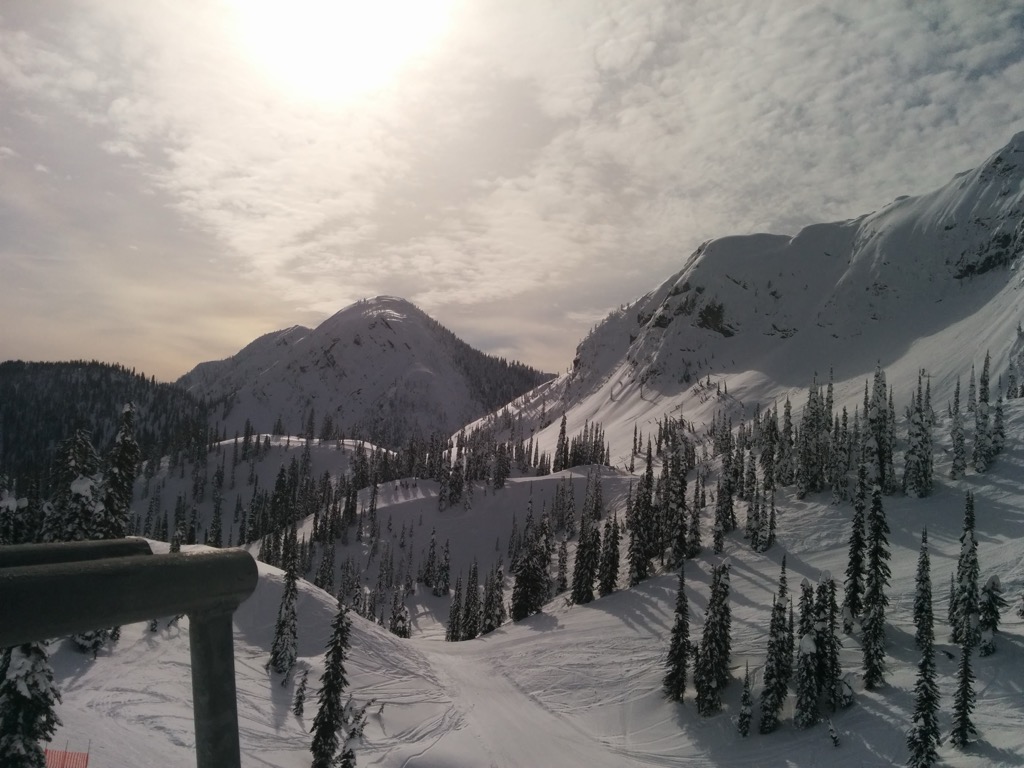
Fernie Alpine Resort consists of gladed tree runs on the lower mountain, with an impressive array of alpine terrain spread across five bowls. Check out the resort map prior to your visit to ensure you can get where you want to go. Alternatively, check out the PeakVisor App for a real-time mapping tool at the palm of your hand. You can see your location on our 3D maps and the difficulty rating, steepness, and vertical drop of every trail on the mountain.
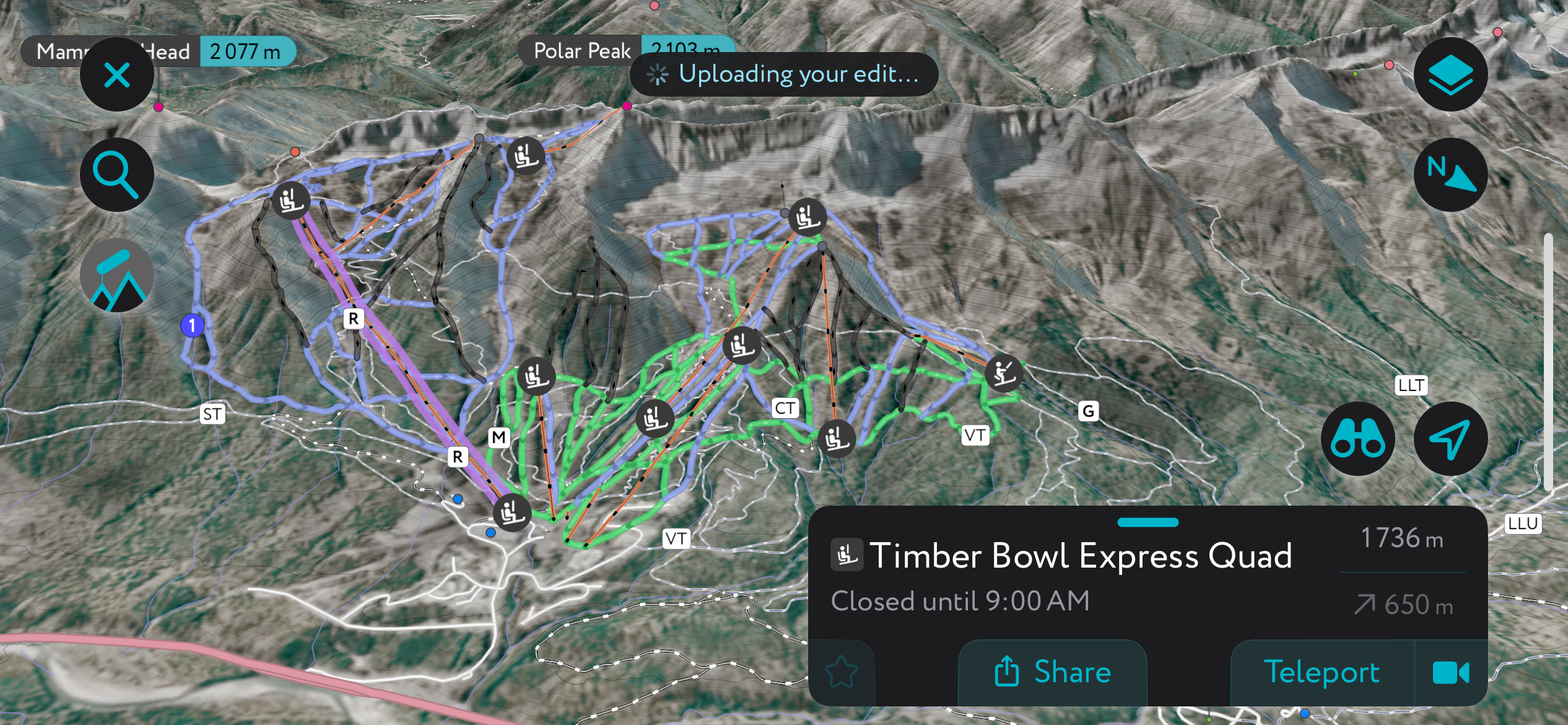
It should be noted that getting from one side of the resort to the other can take considerable time. If you’re spending a few days at the ski resort, I’d recommend sticking to one side or the other each day to maximize ski time.
Fernie Mountain Resort is easier to explain by breaking it into two main sections: left and right. From the base, you can access the left side by loading the Timber Bowl Express Chair. The right side of the resort is accessible by skiing a short distance (1 minute) and loading the Elk Chair.
To ski the resort’s left side, load the Timber Bowl Express to the Lost Boys Cafe. Take in the views of the town of Fernie before dropping into Siberia or Timber Bowls.
Siberia Bowl has gladed tree runs and wide-open rolling groomers that take you back to the base. It’s an excellent warm-up zone and offers a more scenic descent back to the base.
Timber Bowl lets skiers enjoy gladed and groomed options at a higher elevation. You can access the area by lapping the White Pass Chair or skiing back to the village. The upper section of this bowl can be wind-loaded with tons of powder, so be sure to check out the trees around Pillow Talk and Secret Stash for hidden gems.
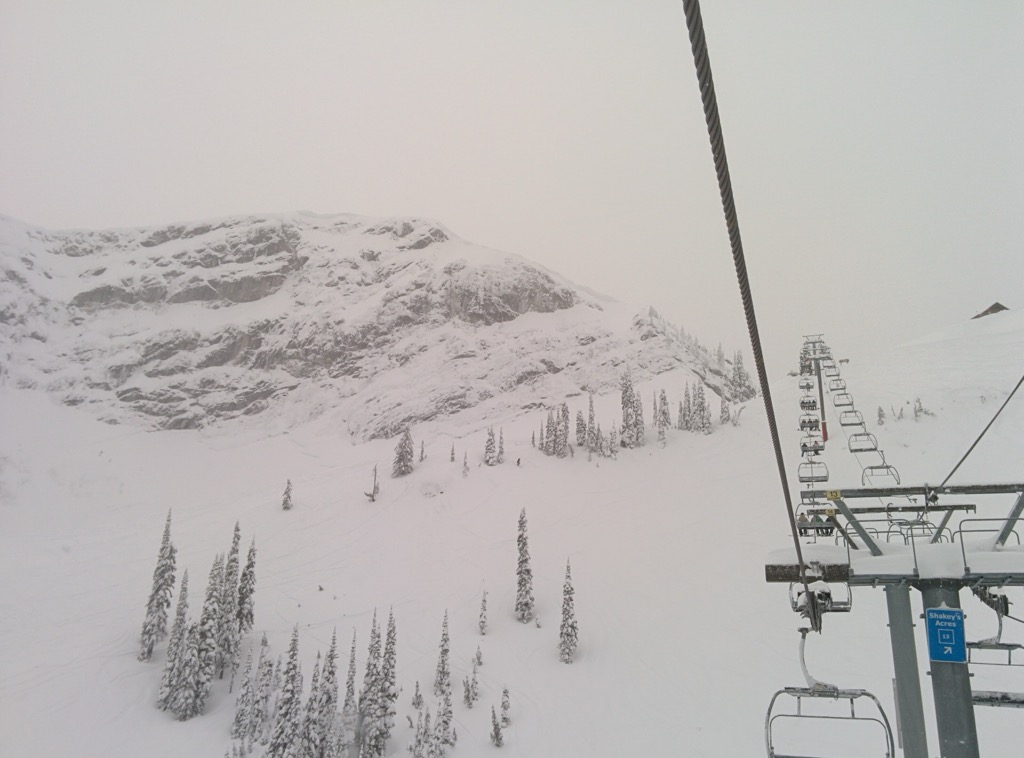
Currie Bowl is the resort's highest access point, with some of the resort’s steepest skiable terrain on tap. To access this bowl and Polar Peak Chair, get off the White Pass Chair and ski to the right. Due to the steep headwalls above and consistently poor visibility, avalanche control is extensive, and this area tends to open last. Skiers crowd the area for up to an hour before patrol drops the line, and a mad dash into the bowl ensues. Dubbed the “Currie 500”, skiers race, push, and shove along a tight cat track to get some of the best runs of their lives. The hype is real.
Skiing this bowl will take you all the way down to the base unless you’re lapping Polar Peak, which serves just the top section of Currie Bowl. To this day, some of the most epic runs of my life have been in Currie Bowl.
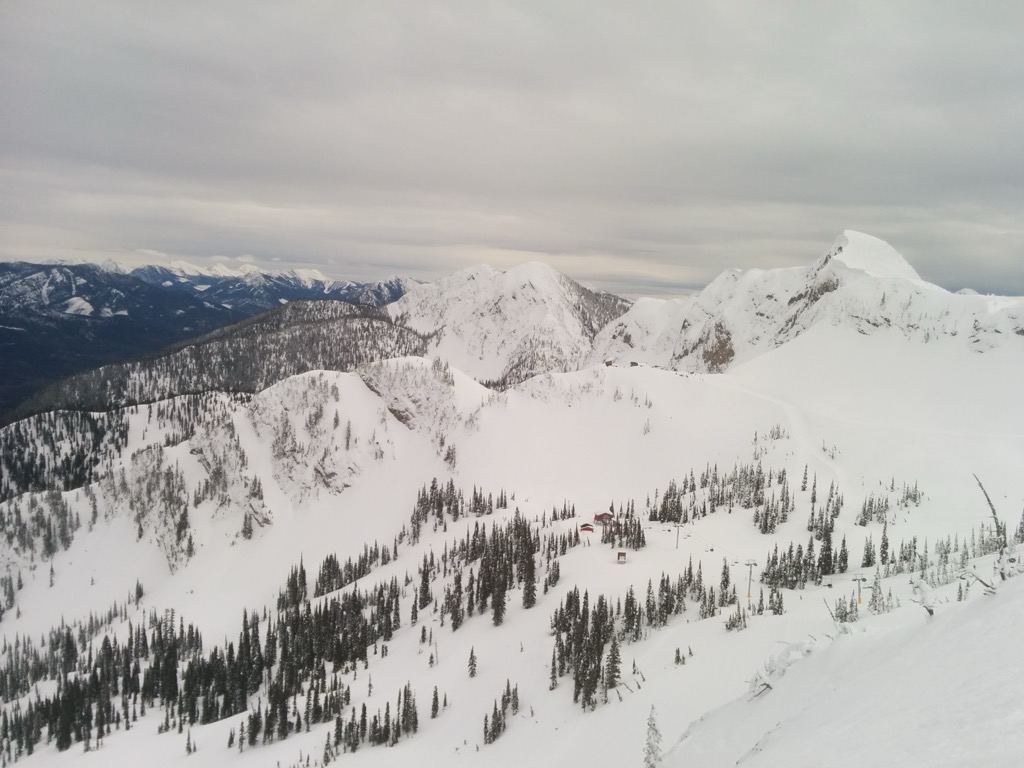
The right side of the resort is accessible by riding the Elk Chair, followed by the Great Bear Express. After getting off this chair, the Lizard Bowl is to your left and Cedar Bowl to the right.
Lizard Bowl consists of some very open alpine blue runs at the top and gladed runs towards the bottom. The Boomerang Chair in this zone provides exclusive access to some steep blacks and dense tree runs. The upper left section consists of a steep ridge splitting Currie and Lizard Bowls and is accessible by traversing high across the Currie Bowl. This ridge line is home to some steep, powder-filled runs that don’t get much traffic.
Cedar Bowl is the last of the resort’s five alpine bowls, accessible by traversing right after getting off Great Bear Express. This bowl is a one-run special, as it takes a T-bar and two chairlifts to return to the top. Snake Ridge to the far left is a slightly gladed and windblown area that can give you some of the resort's best gladed skiing when conditions are right.
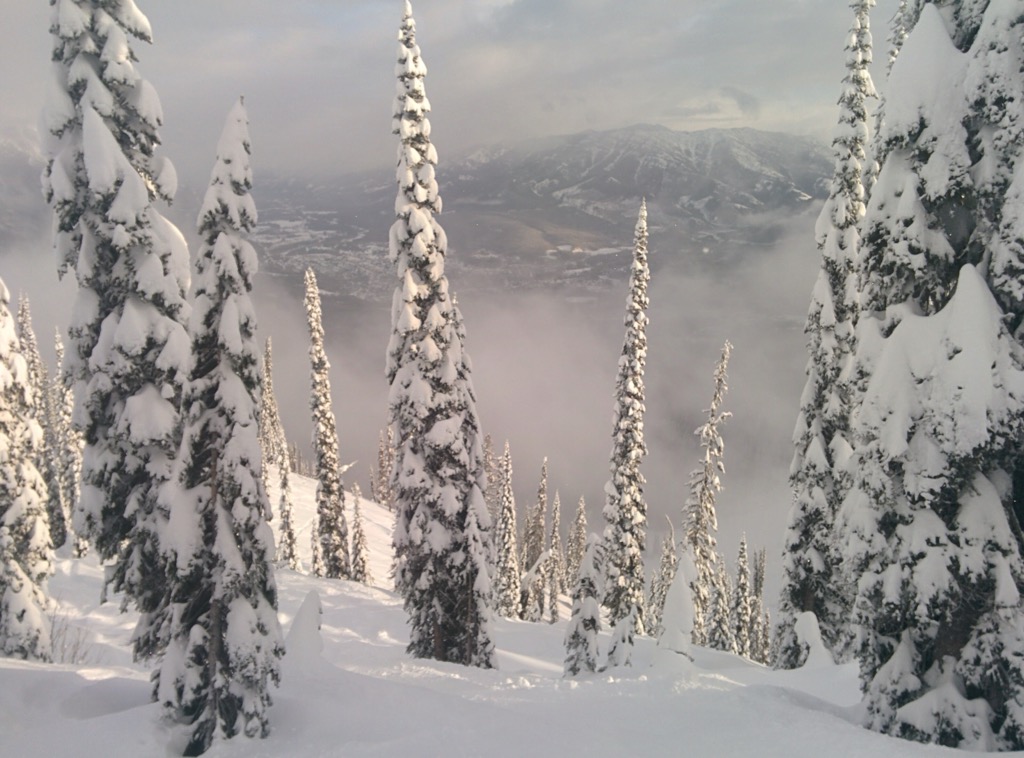
With almost 150 named runs and several unnamed sections, there’s much to explore during your stay at Fernie. Polar Peak, the ski resort’s highest point, sits at 7,000 ft (2,134 m) and has a vertical drop of 3,550 ft (1,082 m).
The resort’s slopes cater to powder seekers and alpine enthusiasts, given its remarkable access to both. The upper half of the resort offers excellent bowl access with open conditions. The lower half boasts impressive gladed tree runs and winding groomers that range from novice to advanced.
Slope classification is broken into four categories: beginner — green circles; intermediate — blue squares; and advanced / expert — black / double black diamonds.
Ten chairlifts serve the resort: 6 high-speed quads, a triple chair, 2 T-bars, and a magic carpet.
There is no proper terrain park at this ski resort. Instead, there is a small rail park with several small features; it’s a great place to learn the basics, but you’ll have to search out natural features around the resort. Luckily, there are natural jumps and drops throughout the resort, especially in the alpine.
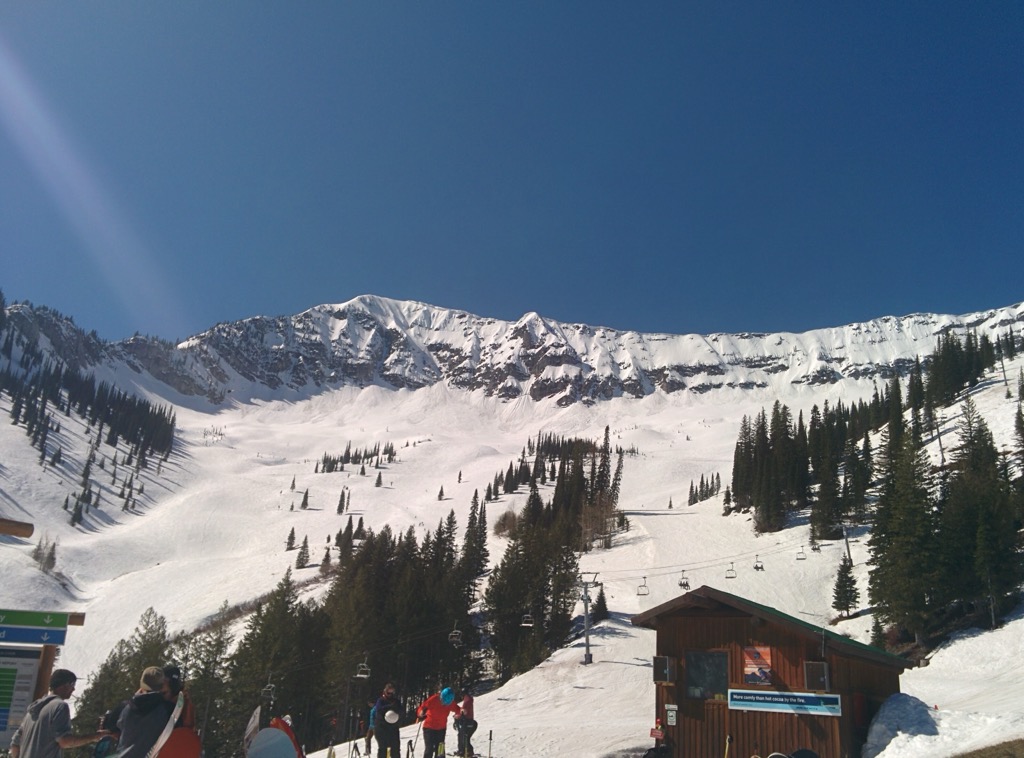
Below is a helpful summary of the slopes, ski lifts, and other important details about Fernie Alpine Resort:
Slopes
Ski lifts
Other features and services
In addition to alpine skiing, the Fernie Ski Resort and the surrounding area offer just as many opportunities for cross-country skiing and snowshoeing.
Firstly, Fernie Alpine Resort itself grooms two XC trails on the southwest side of the resort. Totaling about 9 km (5.6 mi), it is a fun afternoon or evening activity if you stay at the resort. You can enjoy these trails free of charge.
Secondly, you can explore over 45 km (28 mi) of cross-country ski trails in several different areas around the town of Fernie:
More details about cross-country skiing at Fernie, including trail maps, rental information, and more, can be found on the Fernie Nordic Society website.
Snowshoeing in Fernie is also very good. Trails range from easy short trips to full-day hiking adventures. In total, there are about 34 km (21 mi) of snowshoeing trails to explore in Fernie.
Given how legendary in-bounds skiing is at Fernie Alpine Resort, you can only imagine how epic the backcountry is. Two of the most popular access points are at the edge of the ski resort.
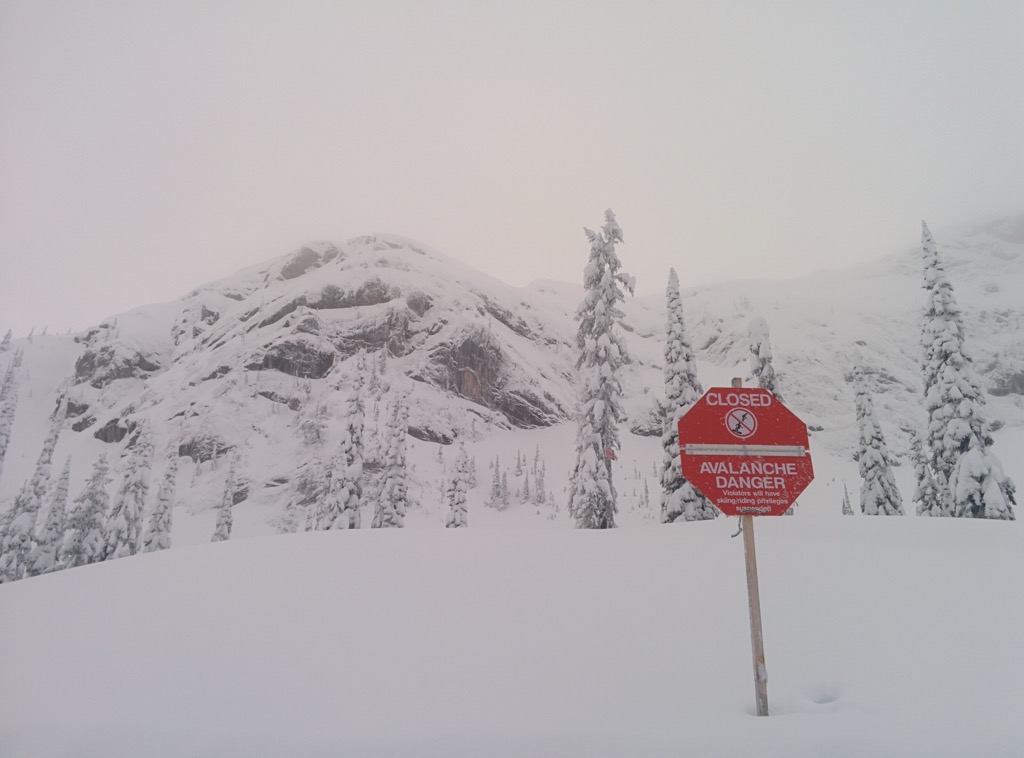
Important: Leaving the boundaries of the resort is not for the untrained. You will enter avalanche territory. Professional training is recommended, and avalanche rescue gear is required. Check out PeakVisor’s article on backcountry avalanche knowledge and safety for a solid introduction designed to be coupled with a professional rescue course.
It’s advisable to tour with people you can depend on in emergencies; if you need a rescue, your life could depend on your group's training.
Fernie Ski Resort has partnered with Vail Resorts Epic Pass products and also has its own passes. If you are Epic Pass or Epic Day Pass holders, you have up to seven days of access with these passes and a 50% discount on lift tickets after using seven days.
Fernie Alpine Resort Season Pass costs $1,999 with an early bird rate that saves $200. Epic Season Pass costs $900 and gives seven days of skiing at this resort. Individual lift tickets range from $110 to $140, depending on when you purchase them.
Purchase lift tickets a minimum of 14 days prior to your visit for the most affordable options. You will also save a few bucks when buying multiple-day tickets.
The town of Fernie has a dedicated visitor information center available for guests to learn, plan, and explore Fernie:
Fernie Visitor Information Centre
102 Commerce Rd, Fernie, British Columbia, V0B 1M5, Canada
+17785190748
There are two areas to satisfy your hunger and thirst after a solid day of skiing: at the Fernie Ski Resort and in the town of Fernie.
Lost Boys Cafe at the top of Timber Chair has a full menu of tasty meals, snacks, and drinks. Take in the extraordinary views of the surrounding area, but expect to dish out a pretty penny for a meal.
The Griz Daylodge at the base of the mountain is the main chalet at the resort, featuring typical cafeteria food.
Alternatively, you can eat at several other restaurants or bars around the resort. A notable mention is Cirque Restaurant. Enjoy a full-service experience in a beautiful dining area with stunning views of the mountains. Cirque Restaurant has been ranked one of Fernie’s finest restaurants. Reservations are recommended.
Fernie’s culinary scene covers everyone’s tastes and needs, from fine dining to grab-and-go. There are Indian (Himalayan Spice Bistro), Mexican, Japanese (Yamagoya Sushi), and other Asian (The Curry Bowl) cuisines, as well as steak (The Brickhouse Bar and Grill), seafood and feel-good pub food.
The Big Bang Bagels needs its own write-up. To this day, whenever I chat with someone who’s lived in or visited Fernie, eyes widen when Big Bang Bagels is mentioned. This place is so iconic that Seinfeld could make an episode about it. I don’t know what exactly makes this place so amazing — just go and experience the best bagel of your life.
As with dining, tourist accommodation for Fernie Alpine Resort is divided into two options. You can opt to stay right at the base for a mountain experience or book accommodation in the heart of Fernie, 7 km (4.3 mi) away. Hotels, ski chalets, and Airbnb’s are all available here.
Staying at the base is very convenient if you’re primarily skiing and relaxing at your hotel in the evening. The resort becomes pretty quiet in the evening as bars and restaurants shut early. There are shuttle and taxi options to get you from the resort to the town if you’re up for some exploring or to keep the party going.
Staying in the town of Fernie will give you the best experience for after-skiing entertainment. You have access to great bars, restaurants, and activities. Check out Best Western Plus Fernie—a dependable hotel with free parking and breakfast, an indoor pool, hot tub, and more—or Park Place Lodge, a more affordable option, only about a 5-minute walk to Downtown Fernie.
For the most part, Fernie is a small and quiet mountain town in the interior of British Columbia, so there’s not a whole lot that goes on outside of skiing. But even if you are staying at the resort, the town of Fernie is where you’ll want to explore, with plenty of shops, breweries, bars, and restaurants. Bars plastered with photos of legendary locals, flashbacks to the 70s, and some unique traditions make a night out one you will not forget. In other words, you’re going to feel the funk.
The main event is Fernie Griz Days, a week-long festival to honor the legend of the Griz. Local lore details a legendary mountain man raised by grizzlies in the late 1800s who is responsible for blessing the town with its annual epic powder. The festival usually happens in the first week of March and includes sporting events, competitions, and parades.
The town of Fernie is a quaint town with a history of coal mining. Few original buildings are still standing due to a massive fire that roared through in 1904. Due to a municipal ordinance after the fire, all downtown buildings are made of more fireproof materials like brick and stone.
Sparwood to the north and Cranbrook to the south are two nearby towns within an hour's drive of Fernie Alpine Resort. Nestled into the mountains of the East Kootenays, both areas are also great for outdoor enthusiasts looking to hike and explore nature year-round.