These and other rules are the latest in an effort to address overcrowding on the world’s highest peak. Will they work?
The 2025 autumn climbing season is just around the corner on Mount Everest (8,849 m / 29,032 ft), the world’s highest peak, and with the new season, several new rules are in effect on the Nepalese side, home to the vast majority of summit attempts.
The first and most widely reported change is an increase in the permit fee charged to climbers, from $11,000 to $15,000 USD. Winter permits have also doubled, to $3,750, though winter climbs are extremely challenging—the permit fee is the last of your worries.
That’s not insignificant, but let’s be clear, it’s only a small fraction of the total cost of a summit attempt. According to Everest devotee and blogger Alan Arnette, the majority of climbers pay between $50,000 and $60,000 for a summit attempt, with premium Western guiding services ranging from $70,000 to $100,000. Therefore, the permit increase will add a single-digit percentile to the cost, not far from typical annual inflation.
Other changes include a provision banning solo climbing (which has been largely absent from Everest in recent years anyway) and a mandatory 1:2 Sherpa-to-climber ratio, which will also increase costs for the most affordable expeditions. There’s also a new mandate requiring climbers to have summited a 7,000-meter peak in Nepal before attempting Everest.
As with many things in life, you get what you pay for on Everest. The vast majority of recent Everest deaths have involved parties operating under median prices. Budget parties often save costs on elements like guide ratios and qualifications, weather forecasting (using free, auto-generated internet forecasts instead of hand-tailored forecasts), and satellite communication.
IFMGA is the highest international standard certification for mountain guides, with only 7,000 worldwide. In Nepal, to be a “guide,” all you need is a business card, so it’s important to seek out certified guides if safety is a priority for you.
Using an IFMGA-certified Sherpa guide is one way to shave off dollars without incurring added risk. Sherpa guides don’t have to pay permit fees and charge less than Western guides, lowering their overall price tag. At the same time, Sherpa guides, especially IFMGA-certified ones, are incredibly attuned to the mountains and have a higher overall summit rate and a lower overall death rate than Western climbers.
7,000-Meter Requirement
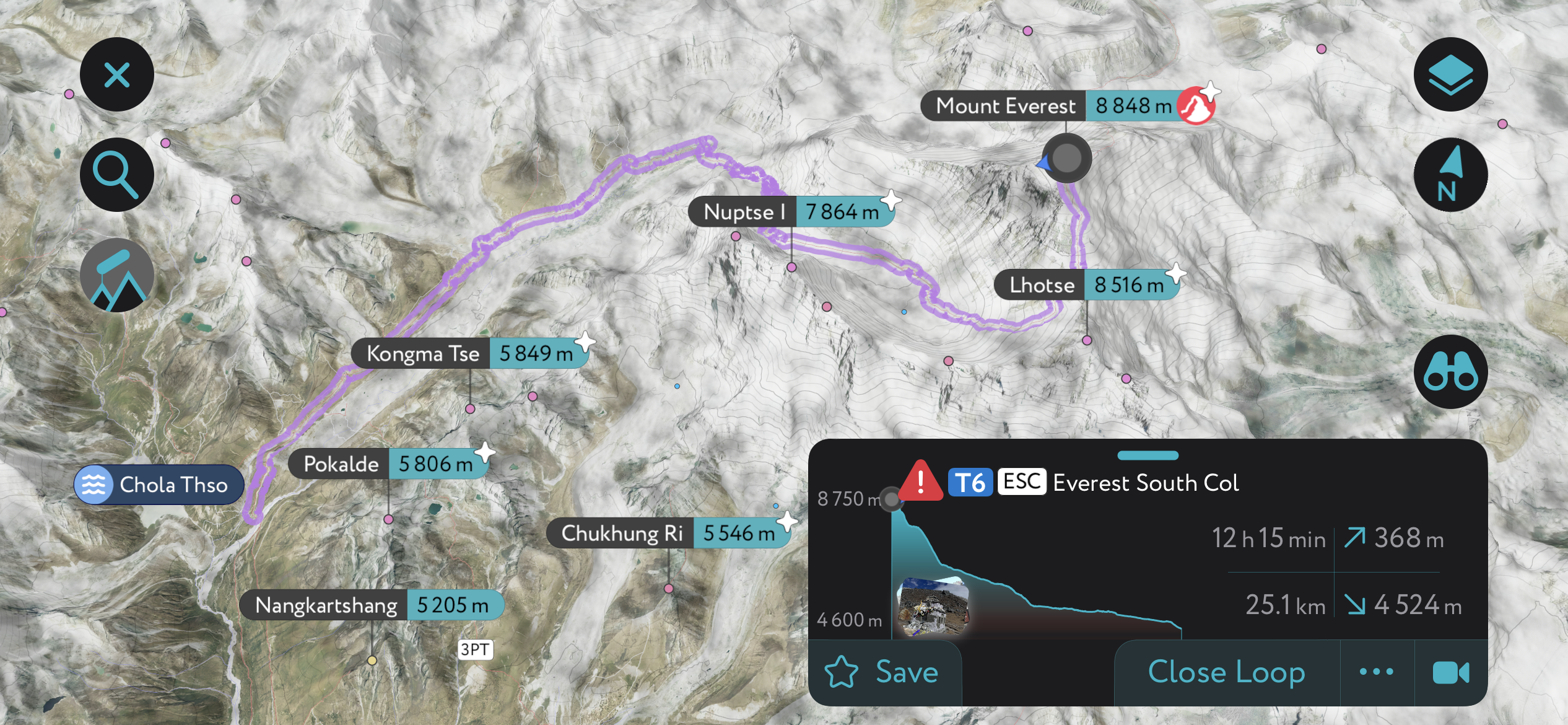
Possibly the most consequential provision for lowering crowds will be the new requirement of having submitted a Nepalese 7,000-meter peak before attempting Everest, if it’s enforced.
However, the mountaineering community is divided on whether this is an effective strategy for safety.
On the one hand, some Everest guiding services have advertised that there’s “no experience necessary” for an Everest attempt, and it’s drummed up a lot of business. Climbing a 7,000-er will be a solid initiation to the complexities and hardships of life on the mountain, giving at least a glimpse of what Everest will be like.
Nevertheless, critics contend that there are plenty of “easy” 7,000-ers in Nepal that could fulfill the requirement, yet not offer adequate exposure to the realities of an Everest climb. After all, Everest reaches nearly 1,000 meters above the “death zone” at approximately 8,000 meters, and it’s high-altitude sickness that has taken many Western climbers in recent years.
The requirement is a significant hurdle that will probably help lower crowds in the short term. It also makes Everest increasingly difficult to access for anyone besides the ultra-wealthy, because of the added cost of another guided high-alpine mission (that cost far outweighs the new permit price).
Notably, the expert recommendations exceed the new Nepalese 7,000-meter mandate. The consensus in the mountaineering community is that the safest way to do Everest is to first summit one of the easier 8,000-meter peaks, like Cho Oyu (8,188 m / 26,864 ft) or Manaslu (8,163 m / 26,781 ft).
Free-to-Climb Peaks?
So what’s the story with these free-to-climb peaks?
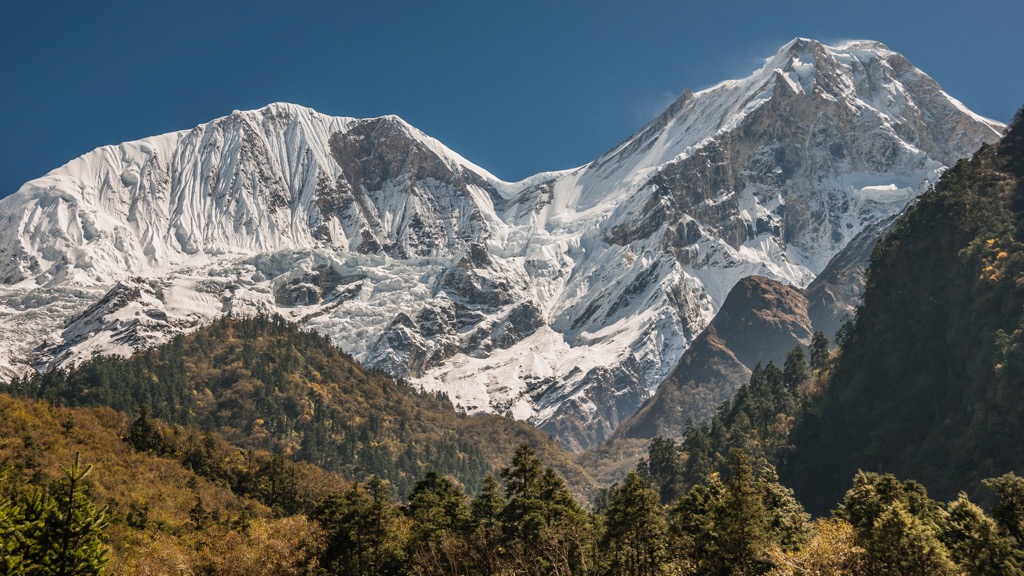
The 97 freebies are located in the remote Karnali and Sudurpaschim provinces, about a 3-hour flight from Kathmandu. They’re mainly in the 6,000-meter range, with a few 7,000-ers sprinkled into the mix. It offers climbers the opportunity to fulfill their new 7,000-er requirement without paying permitting fees.
The idea behind the fee reduction is to disperse the concentration of climbers around Everest and other popular areas into remote, economically disadvantaged Nepalese regions. Currently, the total traffic on these 97 mountains accounts for approximately 15% of the traffic on Everest alone. The government hopes that an increase in guiding infrastructure will stimulate the economy.
While an official list of all 97 peaks hasn’t been released yet (we’ll update the article when it is), you can check on Nepal’s Government Website for updates on the royalty charges for these peaks.
| Province | Approx. Peaks in Free Permit Group | Highlights |
| Karnali | 77 | Remote, unclimbed peaks such as Changdi, Changla, and Jagdula Lek |
| Sudurpashchim | 20 | Includes high-altitude objectives like Api (7,132 m) and Saipal (7,031 m) |
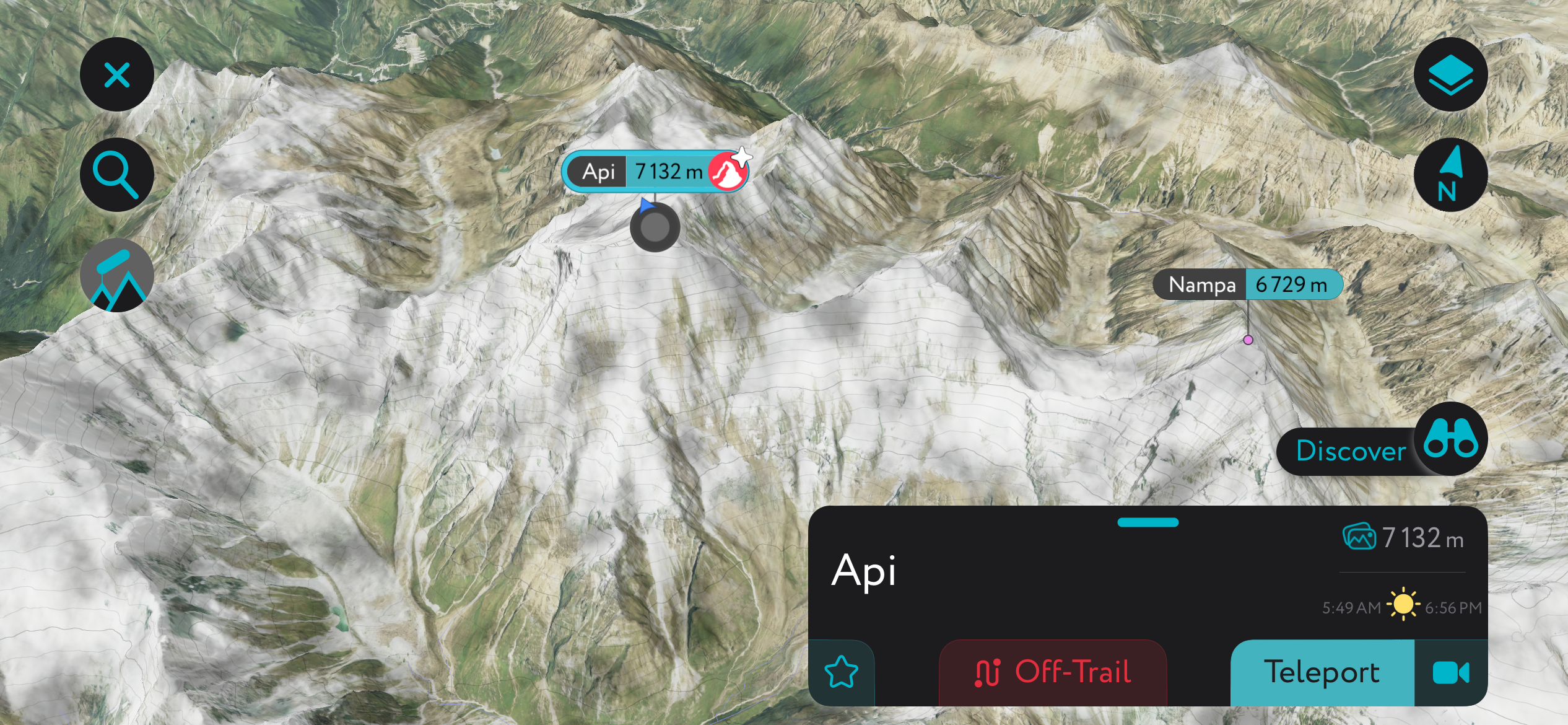
However, it’s essential to note that permit fees in these regions were already minimal compared to Everest, with 7,000-meter peaks costing around $200- $500 per person during the spring, which is the peak climbing season (other seasons were even cheaper).
These peaks are so remote that the savings on permits are not likely to amount to much of the total cost when you consider the costs of organizing an expedition to a place where climbing infrastructure is so limited. Supplies, porters, gear, transportation, insurance, rescues…it’s likely that all of these elements will be costlier, or at least more complicated to organize. There’s a reason some of these peaks are still unclimbed.
“Laws” in Name Only
Many laws have been enacted in recent years to address overcrowding and pollution on Everest and other 8,000-meter peaks. For example, 2020 had a 6,500-meter previous summit requirement, but it was unenforced. Will the 7,000-meter requirement be enforced?
Climbers are required to carry 8 kilograms of trash down the mountain, but that is also entirely unenforced, along with most other “rules” pertaining to Everest.
The problem, according to Alan Arnette, is the weak-handed Ministry of Tourism, which prioritizes the dollars of tourists over the costs of restricting their flow, even if it has long-term benefits.
The last thing we want is for these remote peaks to end up looking like Mount Everest, a dumping ground for oxygen tanks, tents, human feces, and even several dozen bodies, forever frozen on the mountain.
Looking Forward
Everest is the world’s tallest peak, but that’s all it’s got going for it over other peaks in Nepal. It’s not the easiest 8,000-er, but it’s certainly not the hardest. It’s not the most beautiful climb. It’s crowded. There’s trash. Bodies line the route.
Simply put, many other climbs in Nepal and the greater Himalaya offer a better climbing experience, without the self-aggrandizing title of having climbed the world’s tallest peak.
Nepal is right to try to direct people toward these mountains and restore Everest. But it may take more than just a modest price increase. Limiting total permits and enforcing regulations are more likely to make a lasting difference.