Scan the QR code and open PeakVisor on your phone
Thredbo is Australia’s closest interpretation of a world-class ski resort. Founded in 1957 by European immigrants who arrived after the war, Thredbo incorporates the main elements that make Euro resorts great.
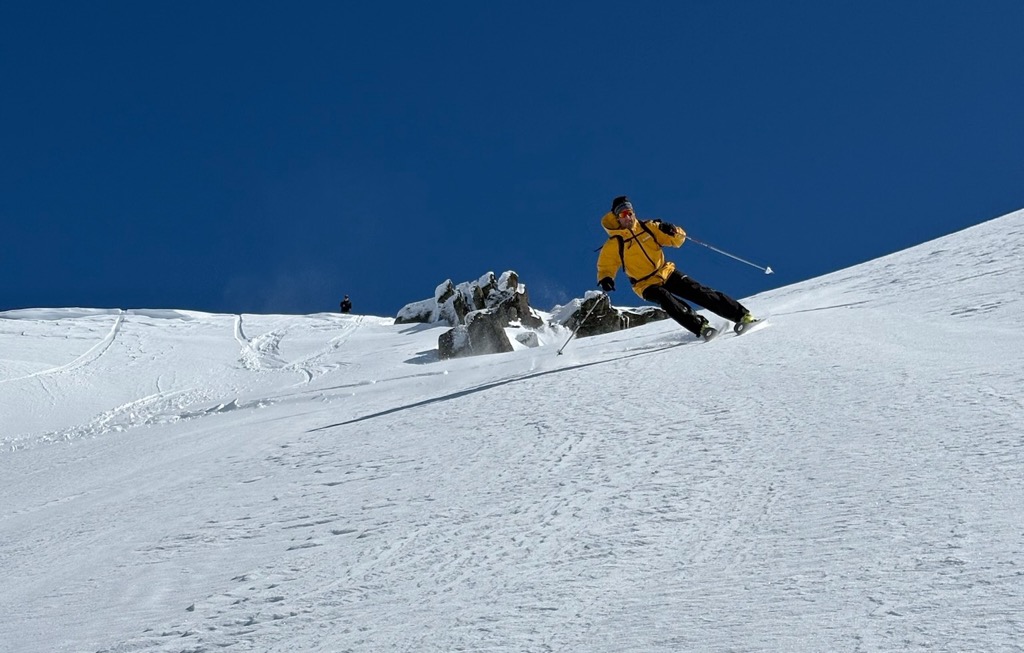
First of all, it’s got plenty of open alpine terrain, which, during a good season, can be reminiscent of glacier skiing. Moreover, there’s no doubt that Thredbo Village is a tasteful and charming spot that draws inspiration from Euro ski villages. Thredbo offers excellent backcountry access and open gates so you can strap on your skins and head out into the Main Range. It’s the only ski resort where you can easily reach one of the Seven Summits from the resort!
Lastly, although there aren’t a ton of them, Thredbo’s groomers are long and wide. With over 670 meters (2,200 feet), Thredbo has the largest vertical drop of any resort in Australia. From Karels T-Bar at 2,037 m, you can drop all the way to the Village at 1,365 m. That’s a proper leg-burner by Australian standards. Once the skiing finishes up, there’s a hefty après scene if you find yourself still able to walk. For all of those reasons, this place has inspired loyalty for generations.
Occasional frustrations include rainfall, which is becoming increasingly common, and corporate resort management, particularly surrounding lift openings and high pass prices since Thredbo became an IKON resort.
If you decide to come here and make the best of your stay, you’ll want to familiarize yourself in advance. Check out PeakVisor’s guide for all the beta on Australia’s best resort!
The ski season usually runs from the first weekend of June to the October long holiday weekend, the first weekend of the month. Unfortunately, snow conditions vary enormously from year to year. Some years have been truly terrible, with very little good skiing for the entire season. Other seasons offer three months of consistently great conditions. To give you an idea of the variability, 2025 had a 220 cm base on September 1st at the Snowy Creek Hydro station, compared to 75 cm at the same time in 2024.
Snowmaking ensures top-to-bottom skiing, even in the worst seasons (so far). The resort has an army of over 100 snow guns.
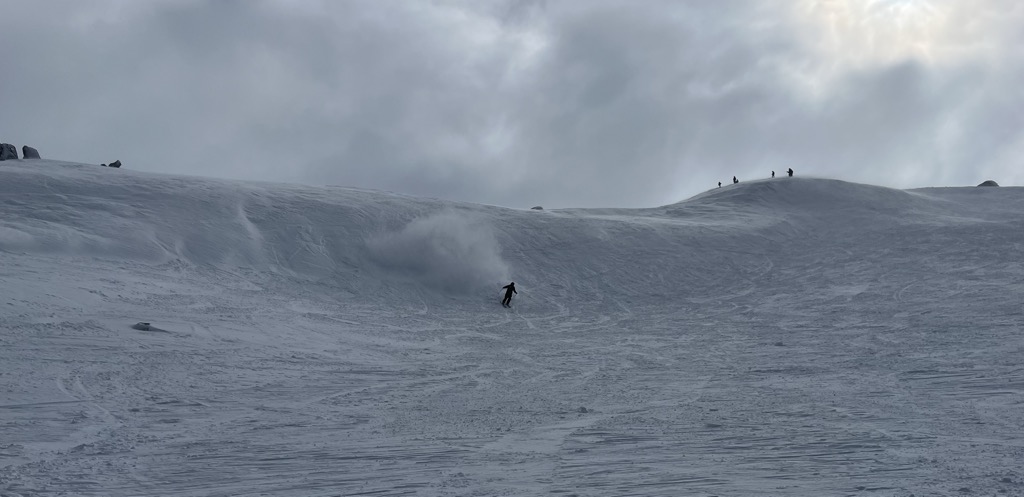
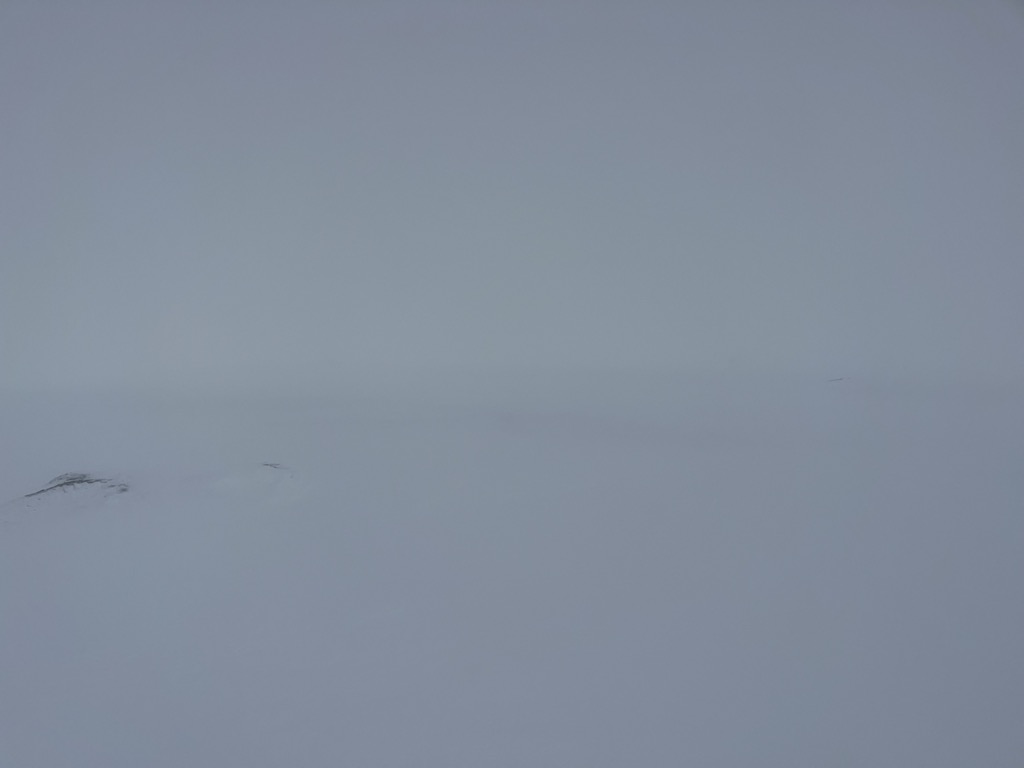
June is less than ideal because the mountain is mostly just artificial snow on pistes. The end of June can be alright, but it quickly transitions to July, which marks the start of the school holidays - the most expensive and busiest time to visit. Expect lift lines and crowded pistes. The base is often still shallow. Folks who have properties in the village frequently leave and rent them out for the holiday. Unfortunately, if you have school-age kids, you probably have to come at this time.
The best season for resort skiing is undoubtedly late July through August. Storms tend to bring in enough cold air for winter snow up high and at least some sort of snow at the village. The base is deepest and the upper mountain bowls are reliably open. Crowds are mostly limited to the weekends. Like anywhere, the trick is mid-week skiing. Try to visit during this time if you can.
Usually, September is classic spring skiing with warm days and slushy snow. Some low-snow Septembers have been catastrophic (think 2024), but generally, there is good coverage. Backcountry touring also comes into its own, with Kosciuszko and the Main Range in perfect corn, if you can time it.
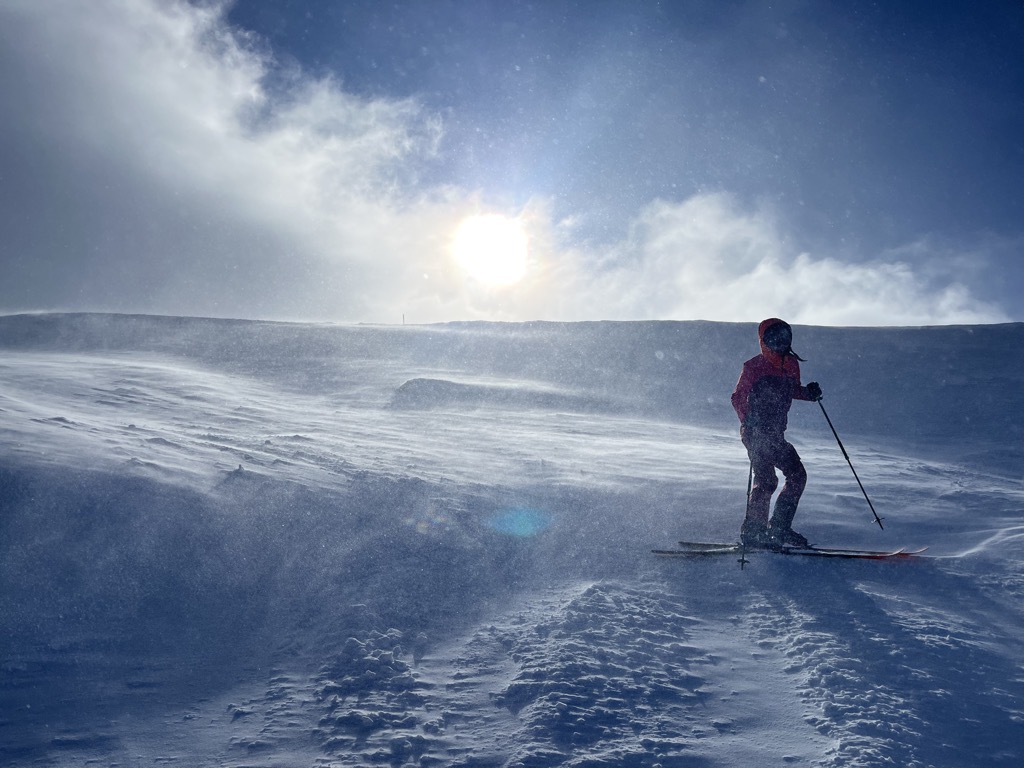
The Snowy Mountains aren’t the Alps or the Rockies. Thredbo’s average annual snowfall is around 3 or 4 meters (10 to 13 ft) at the top lifts, a fraction of what Europe or North America receives. However, the snow falls thick and wind-packed, so it doesn’t take as much snow as you’d think to accumulate a base. Australian skiing is a gamble, but it can certainly pay off from time to time.
The big issue is the freezing level. Storms often bring warm air from the Tasman Sea or from the giant, hot desert that makes up continental Australia. It takes a bit of luck to bring that cold air up from Antarctica.
However, when the stars align, the Thredbo magic is real. Big southerly cold fronts bring the snow, that sticky kind that sticks to everything and turns the Eucalyptus forest into a total spectacle. The upper bowls can go from ice to creamy powder fields in a day, and the wind can keep the refills going for days after a storm. After the wind dies down, the high, south-facing (remember, we’re in the Southern Hemisphere) bowls stay chalky if temps are moderate.
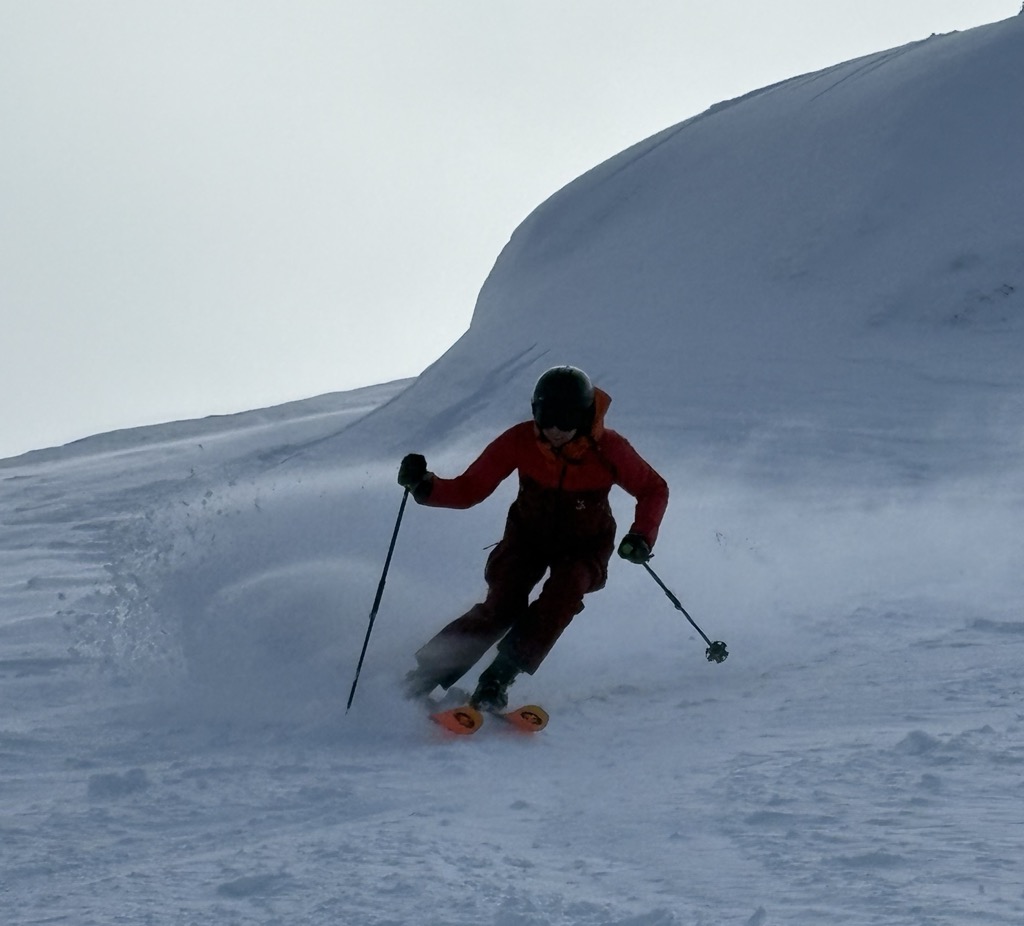
Fortunately, it’s not just powder days when the skiing gets good. Late August and September can bring some of the finest corn cycles you’ll find anywhere, due to that perfect combination of intense sun and dry air. Late-season high-pressure systems clear the skis, allowing temps to drop and the snow to refreeze overnight. Once the sun starts doing its work, you can get that “shattering glass” corn skiing on the upper mountain.
The combination of powder, windblown, chalk, and corn can add up to quite a few fun ski days over the course of a season.
Even the best seasons have bad days, though. Thredbo is home to a particularly nasty brand of Aussie ice that can honestly rival the ice capital of the world, the U.S.A.’s East Coast. The mountain is variable even on good days. You could have powder up high, crust in the middle, and corn at the bottom.
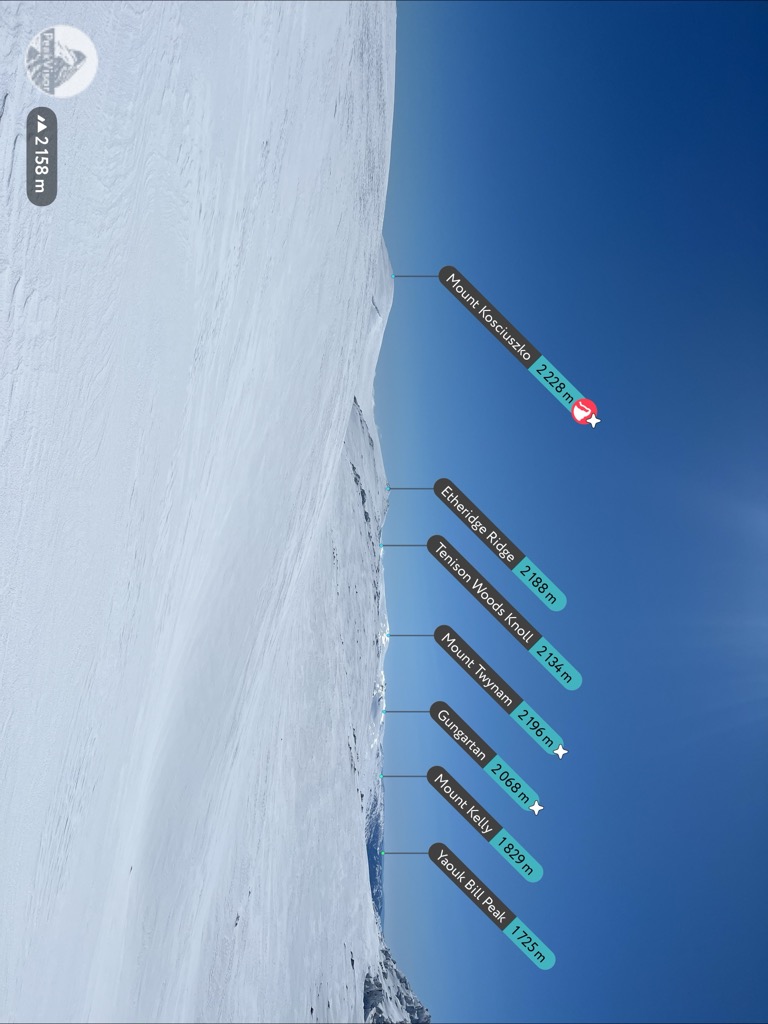
Here’s the beta on the terrain you’ll find at Thredbo. We’ll start from the looker’s left (skier’s right) and head right.
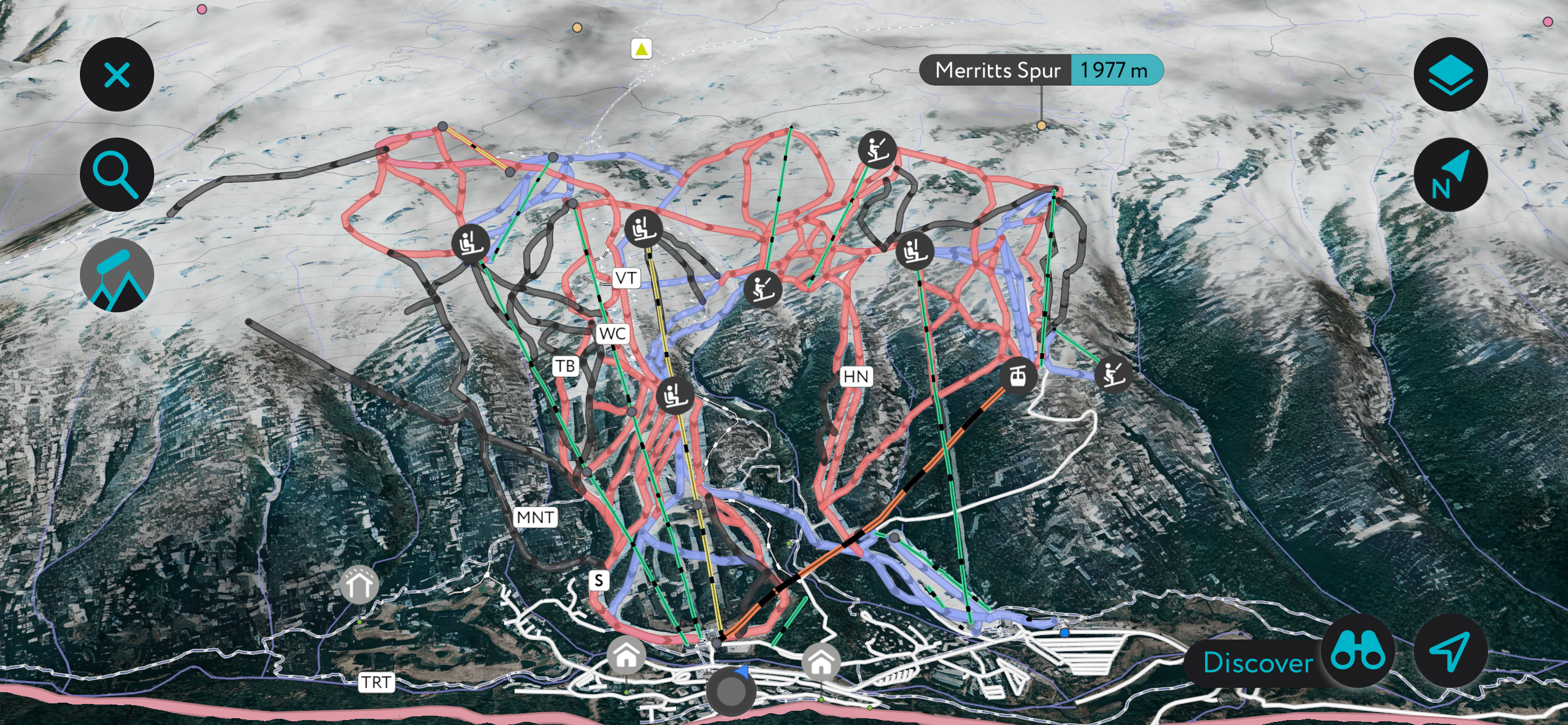
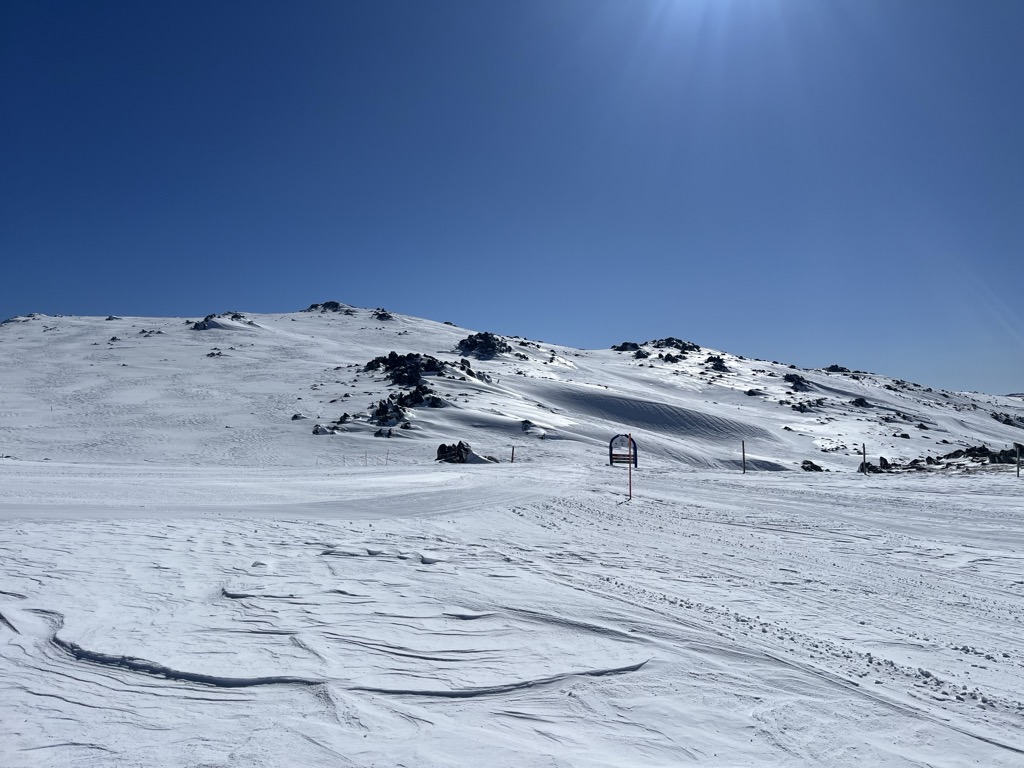
You’ll spot this bowl from the village; just look up from the golf course. Go from the Kosciuszko Lift to Basin T-bar to the top of Karels and traverse hard right. The conditions are not usually right, but when they are, this is the best (off-piste) run in Thredbo. It’s a perfect pitch, perfectly spaced trees, and a long, continuous descent down to the traverse back to Funnel Web.
Funnel Web is a black piste that heads down the ridge between the Basin and Golf Course Bowl. It’s usually moguls, but is sometimes groomed. Like Golf Course Bowl, you have to get to the top of the resort to access it.
The Basin is a broad alpine expanse of the Karels and Basin T-Bars, featuring wide, rolling pistes and gentle off-piste terrain. You can ride the T-bars and stay up here or connect to the lower bowl through Cannonball. You can lap the top of the mountain using the T-bars instead of having to go all the way down. The windy days are golden. The wind just keeps it coming, lap after lap.
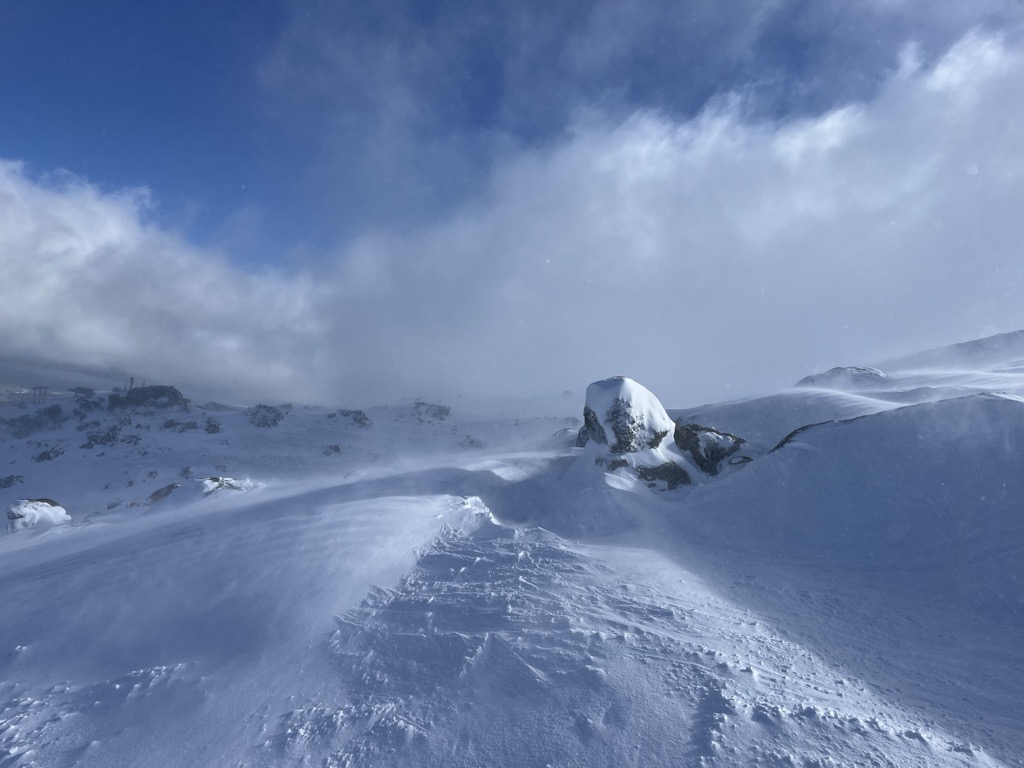
The Kosy and Snowgums chairlifts service this zone. The Supertrail drops the entire mountain, from Karels to the village, though most people hop on from the top of the Kosy lift (or Snowgums). The Bluff is a great off-piste zone from the top of Kosy, Thredbo’s go-to on a powder day. It accesses a large bowl, where you’ll eventually traverse back to World Cup, another great piste that heads to the bottom of the Kosy lift (the main Thredbo base area).
The Central Spur consists of the Sponar’s and Anton’s T-Bars (the two dudes who founded the resort). It’s another great off-piste area, and can be epic when the wind is blowing and filling in those tracks after every run. Head here in the afternoon after the lower areas are tapped out.
On the skier’s left of the mountain, the Cruiser chair services mostly intermediate-friendly runs like Playground, Ballroom, and Walkabout. High Noon is an intermediate piste that everyone will enjoy. This is where most families and learners gravitate.
The Powder Bowl, a black off-piste run, follows under the chair. Just outside the resort boundary is Stanley’s, a short but steep pitch that may or may not be worth the traverse back into the resort.
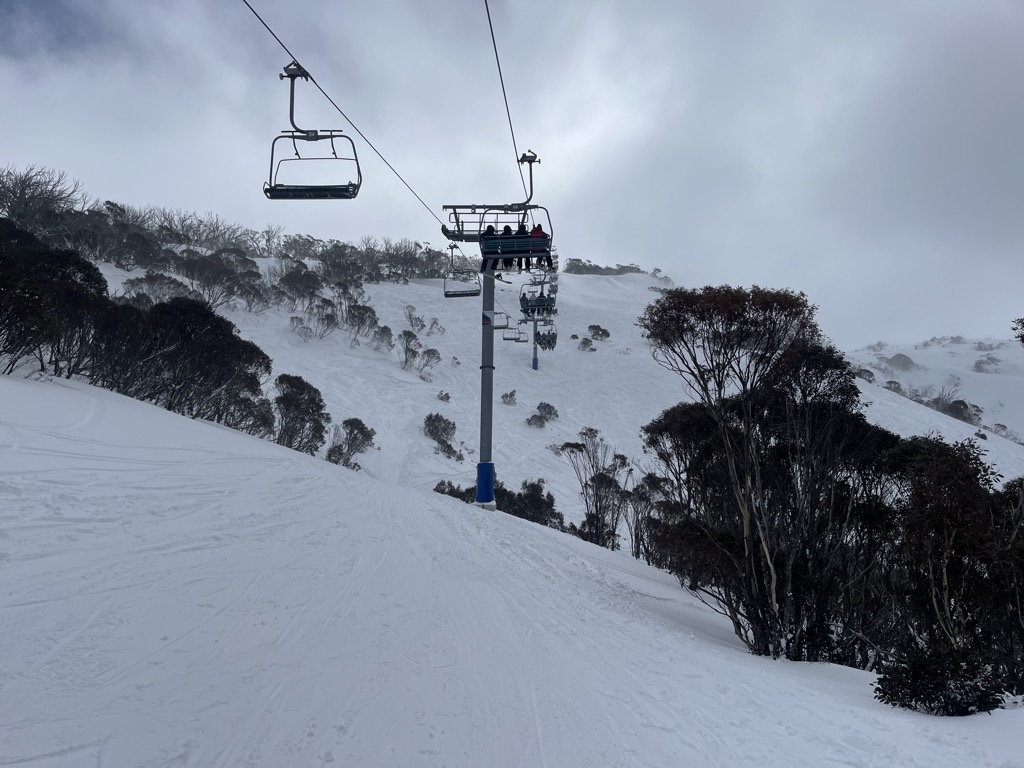
The designated beginner's area and one of the main base stations. Best to avoid if you’re not a beginner or legally obligated to one; it can get hectic down here.
PeakVisor users will love that Thredbo really sets itself apart with its backcountry access. Honestly, the access here is better than most resorts in North America. The only thing missing are the big vertical descents. Prepare for laps, with several transitions between skins and skiing.
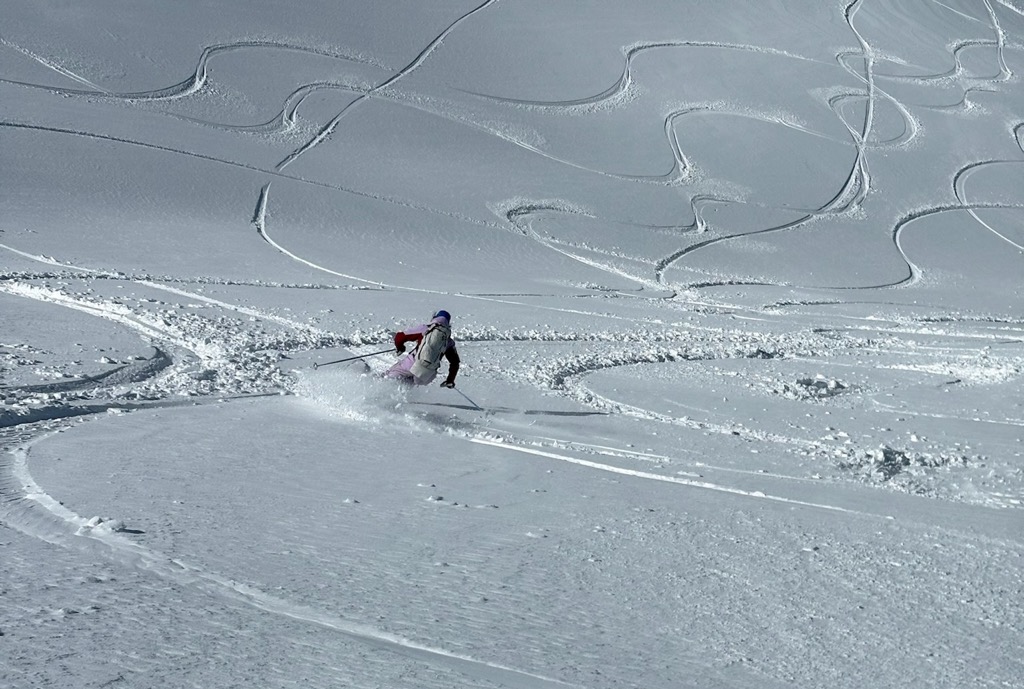
Notably, the best way to get onto the Kosy plateau is by using the resort lifts. That means you either have to have a season pass or buy a “backcountry pass” for AUD 55. While it’s great that they have a backcountry pass, here’s the annoying thing: it only gets you up the Kosy lift and doesn’t let you access the Basin and Karels T-bars to get the last 100 meters of vertical. It’s not the end of the world, but if we’re paying 55 bucks, Karels would be nice. Just saying.
If you don’t want to pay to use the lifts, the only decent option around Thredbo is to head up from Dead Horse Gap. It’s just 10 minutes from the village, and you can access all the same terrain as in Thredbo; it’s just a couple of hours of an approach vs. 30 minutes from the resort. Dead Horse sits at just above 1,500 meters, so you may need to walk the first part to reach the snow in spring.
From the top of Kosy or Karels, you can step straight into the Main Range backcountry, with access to Australia’s highest peaks.
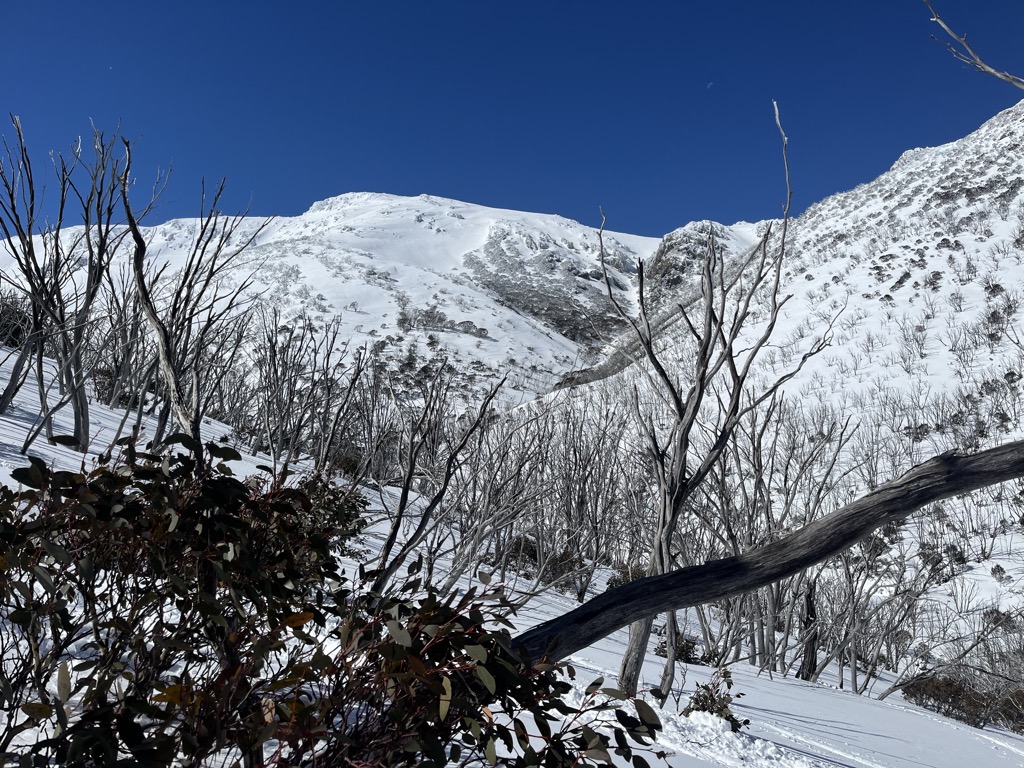
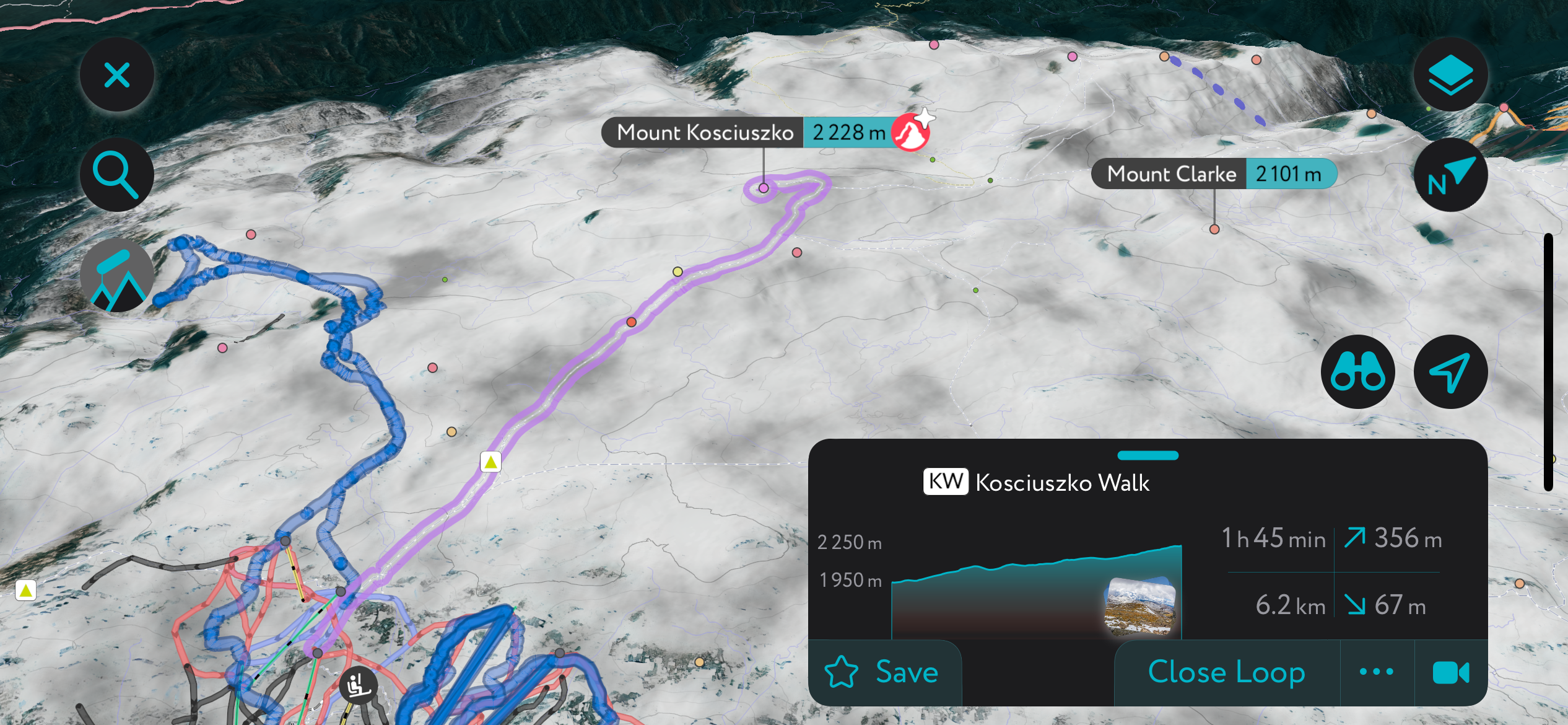
The terrain is alpine at higher elevations, with some of Australia’s best tree skiing in the snow gums lower down. The 2019 fires have burned up many of these forests, and they’re slowly on the mend. For now, they remain quite open for some truly epic tree skiing if the conditions line up.
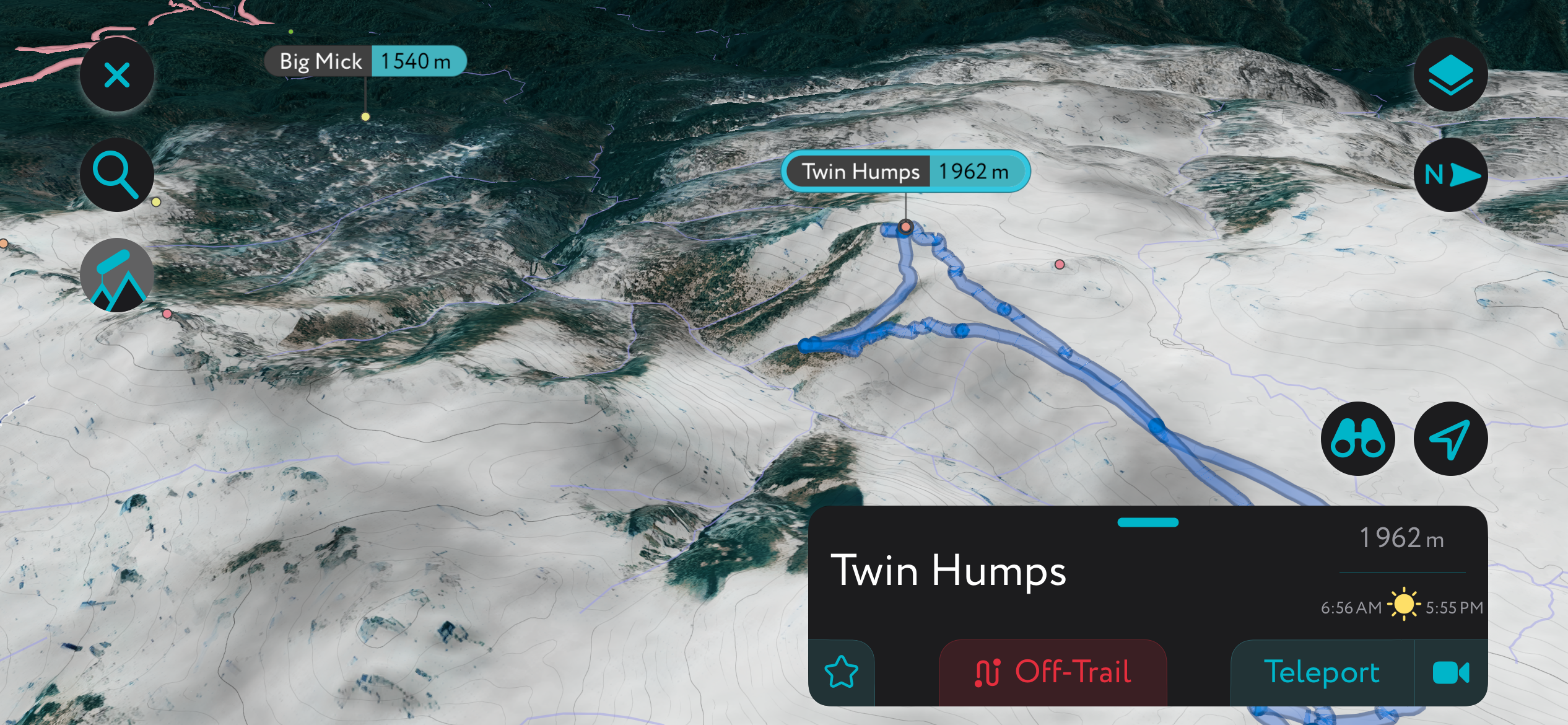
To access this zone from the resort, most people head toward the Ramshead group (there are several Ramsheads, north, south, etc.), then descend into Leatherbarrel to ski Twin Humps. Alternatively, trend toward South Ramshead to reach the Golden Gully area. You can also enter from Dead Horse Gap, on the other side of the basin from Twin Humps.
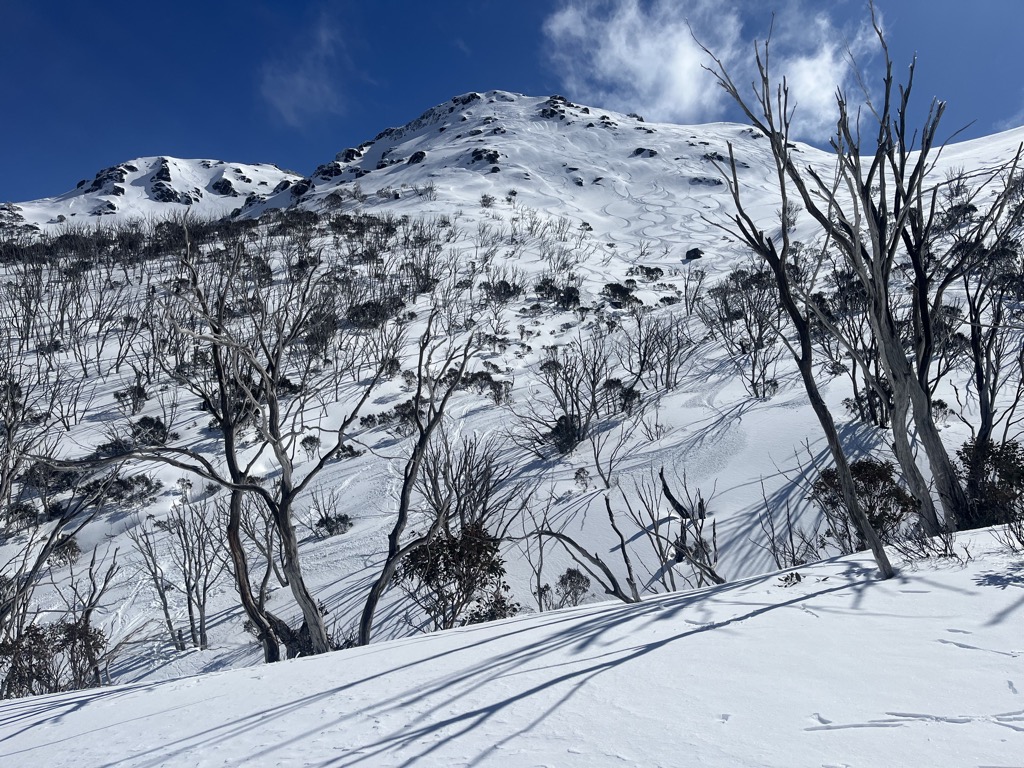
Avalanche danger is lower in Australia. Many people don’t carry avy gear, and you can make your own decision on that. The two biggest risks are whiteouts and ice. The whiteouts here are intense; you will become completely disoriented, so it’s a good idea to have PeakVisor or another GPS mapping tool on your phone.
Thredbo is part of the IKON Pass, which includes up to 7 days for international visitors. That’s the best way to visit Thredbo.
Unfortunately, lift tickets are notoriously expensive, even by Aussie standards. The price varies depending on the day, but most peak season days (including all weekends in July and August) were 250 AUD in 2025.
Here are a few tips to get the best bang for your buck:
Somewhat infuriatingly, they also make you buy a Thredbo card, even if you already have an RFID card from another resort. And it’s the exact same system, as far as I can tell. It’s an extra 5 AUD for the card.
Thredbo is located in an easement within Kosciuszko National Park, in the Snowy Mountains of New South Wales. It’s about halfway between Sydney and Melbourne and a few hours from Canberra.
Thredbo is 500 km (310 miles) southwest of Sydney, a 5–6 hour drive, depending on traffic. Snow chains are mandatory to carry, even if you don’t use them. Police set up checks on the road between Jindabyne and Thredbo. There are also buses from Sydney to Thredbo during the ski season.
From Melbourne, it’s a 6–7 hour drive (around 530 km). You can either head via Albury and Jindabyne or cut across Gippsland and up the Alpine Way.
By far the easiest city to reach Thredbo from, about 2.5 hours (210 km) by car, straight down the Monaro Highway through Cooma and Jindabyne.
The nearest international airport is Sydney and the nearest domestic one is Canberra. There’s a small airport in Cooma, but it’s probably irrelevant to most travelers.
Thredbo’s parking is mainly at the base, but it can fill quickly on peak weekends. Skiers who stay in Jindabyne can take shuttle buses. Staying in the village is expensive but ideal. Most skiers come for the day, but the percentage is less than at Perisher.
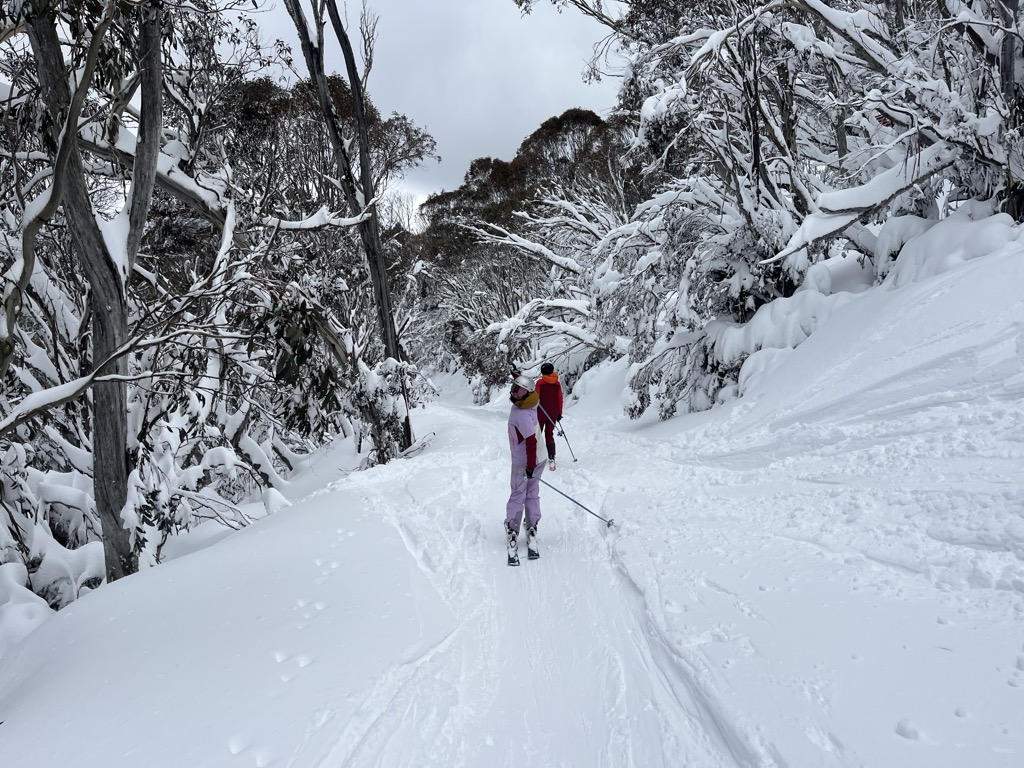
Thredbo has its own visitor center in the village square, providing maps, event info, resort updates, weather forecasts, and more:
Thredbo Resort Centre
Valley Terminal, Thredbo Village
Phone: +61 1300 020 589
Website: https://www.thredbo.com.au/shopping-services/information-centre/
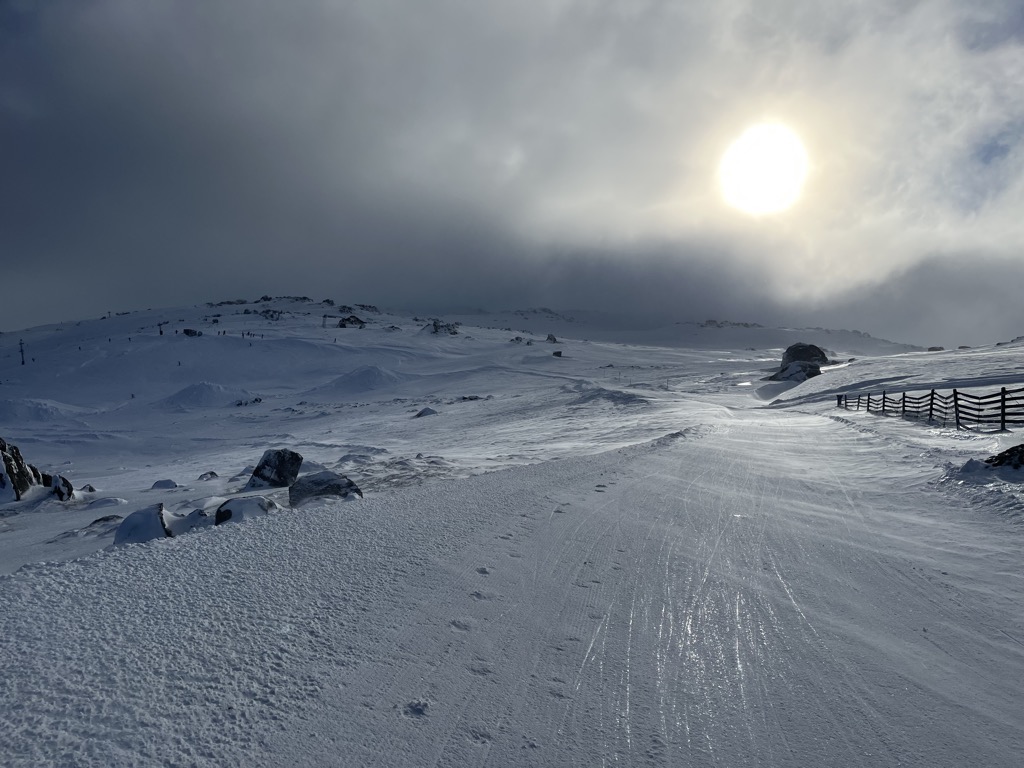
Food on-mountain is a mixed bag:
Food in the Village is decent, but pricey. On average, it’s probably about twice as expensive as the equivalent in Sydney.
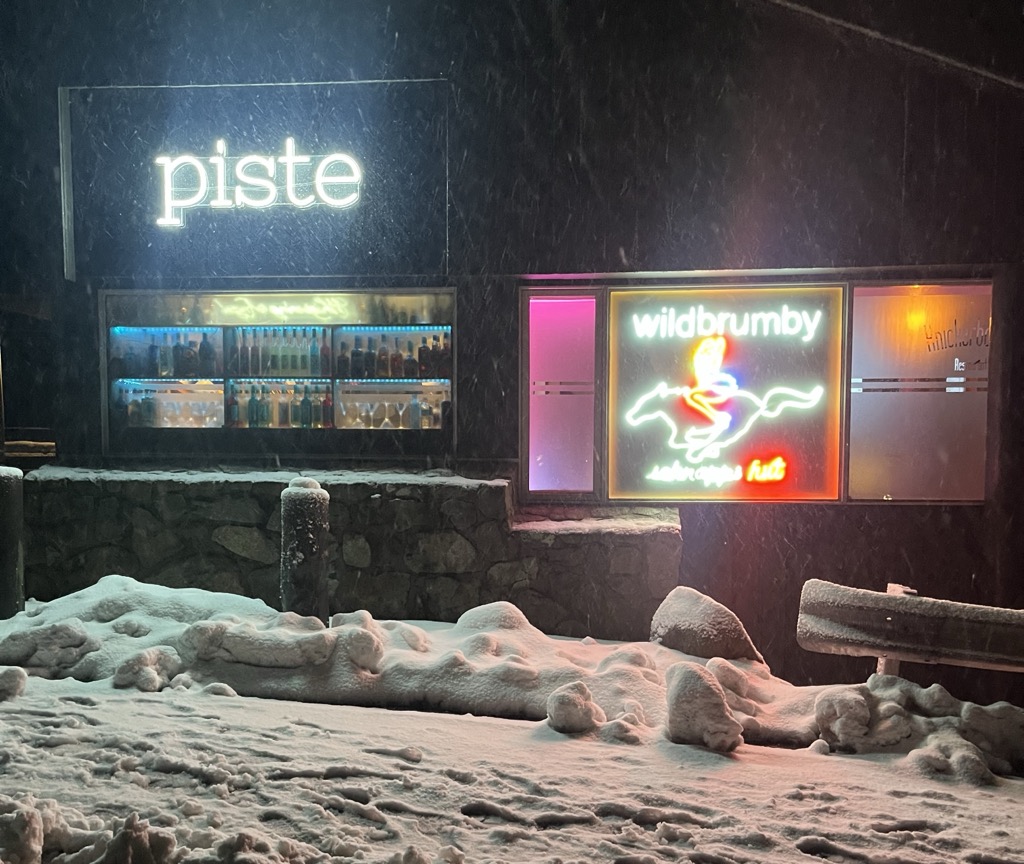
The taps flow freely in Thredbo. The aforementioned Local Pub and the Alpine Hotel’s Schuss Bar are the two indoor spots to grab a brew after skiing or after dinner; either works. If you’re young and possess unlimited energy, Thredbo does have one club: the Keller Bar.
Meanwhile, every Saturday after skiing, there’s a dance party in the Village Square (a “duf duf” in Australian speak), followed by fireworks in the evening.
Thredbo is somewhat unique among Australian resorts for having an alpine-style village. Accommodations range from budget lodges to ski-in/ski-out cabins to luxurious hotels. Fortunately, things are heavily regulated by the Parks Service, and you won’t see any of the monstrous mansions that scar the hillsides of other mountain towns. Thredbo really is adorable and pocket-sized.
Heck, that doesn’t mean it’s cheap, though. Lodging will make your lift passes look like pocket change. Still, it’s cheaper than North America. Prices are an approximation of what you might pay, with the higher end during peak season.
If village prices are too steep, staying in Jindabyne is a great option. It’s thirty minutes of driving each way, but there are also shuttles.
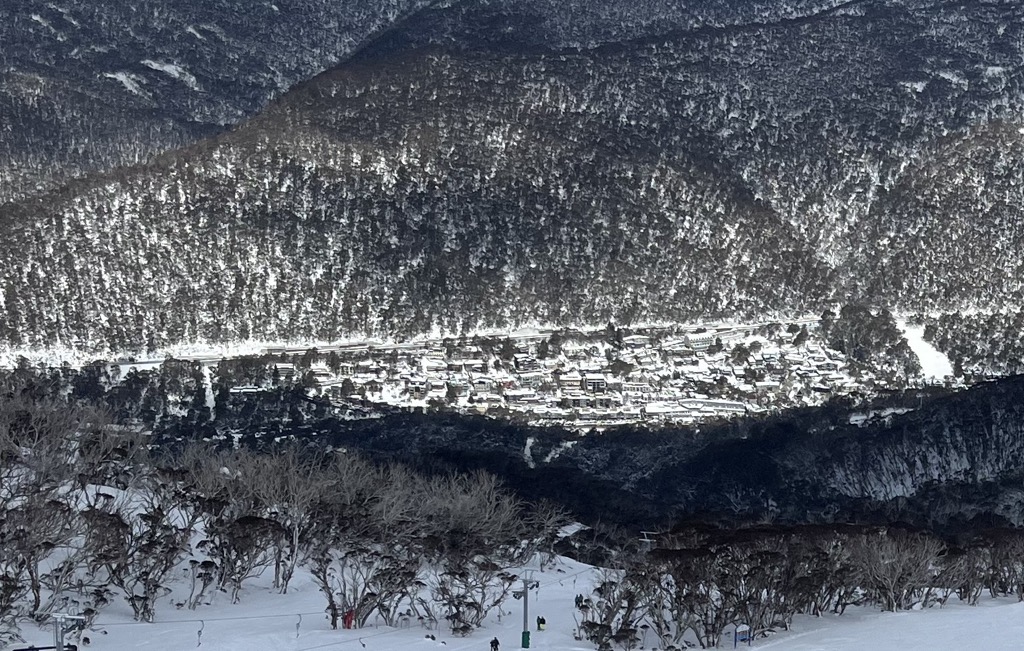
Perisher is famously the largest ski area in the Southern Hemisphere. It's 47 lifts serving sprawling terrain that’s great for beginners and intermediates, as well as park skiers. The mountain’s base is higher, so it receives less rain than Thredbo. Like Thredbo, the backcountry options are decent, with access to the Main Range. The best access to touring is from the Gothega base area.
However, most visitors are day trippers, and therefore it lacks the village vibe of Thredbo. The vertical is also far shorter than Thredbo’s, though the base is higher. There is minimal advanced ski terrain, and the off-piste options never evolve beyond the realm of “mini-golf.” Or should we say mini mini-golf?
You can take the ski tube, an underground train, which starts about 15 minutes down the road from Thredbo. Otherwise, you have to drive around the mountains, and it takes over an hour, despite being close as the crow flies.
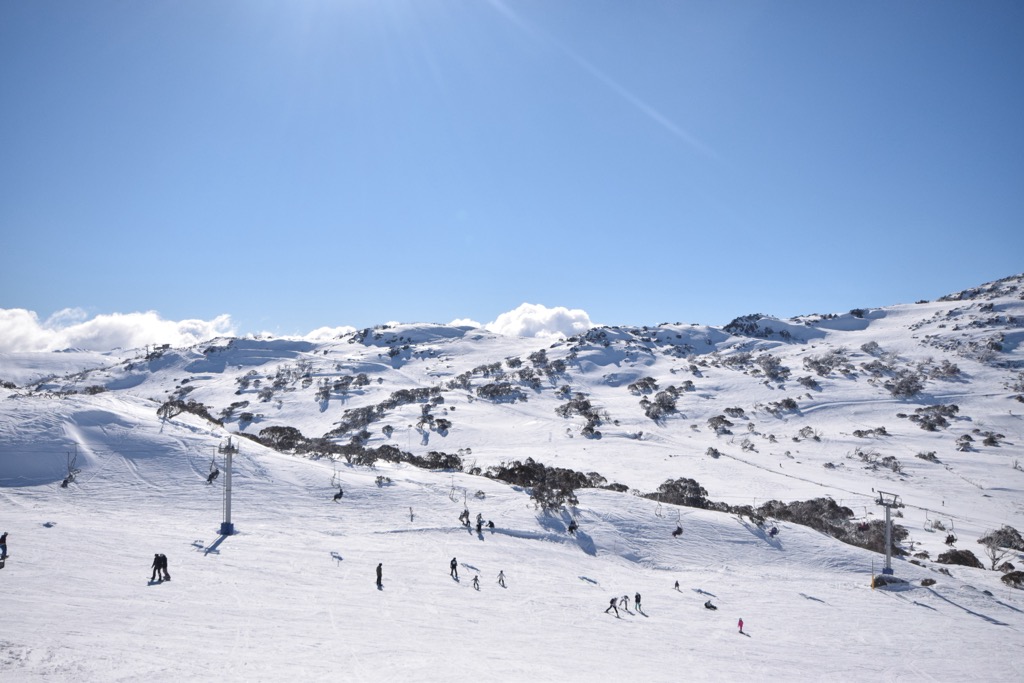
Charlotte Pass is a tiny family ski resort accessible only by oversnow from Perisher. This is a step-back-in-time type resort, uncrowded and family-friendly. It’s also a base for Main Range touring.
If you liked this guide, you should know that it was brought to you by the one and only PeakVisor App.
PeakVisor is a leader in the augmented reality 3D mapping space; we’re the product of nearly a decade of effort from a small software studio smack dab in the middle of the Alps.
My sidekick during ski missions is always the PeakVisor App. I use the app to track activities, navigate with exquisite 3D maps, and learn the surrounding mountains' names. I’m all for tools that help quicken the pace in the mountains, and the PeakVisor App greatly accelerates things. It’s also critical for planning, whether I’m headed into the backcountry or searching for off-piste goodies at a new ski resort. Read on for a breakdown of some of the app’s best features.
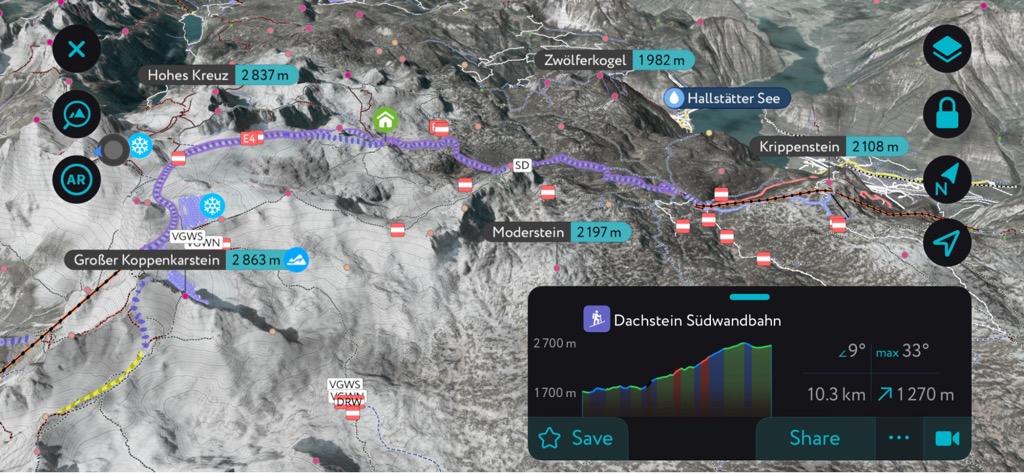
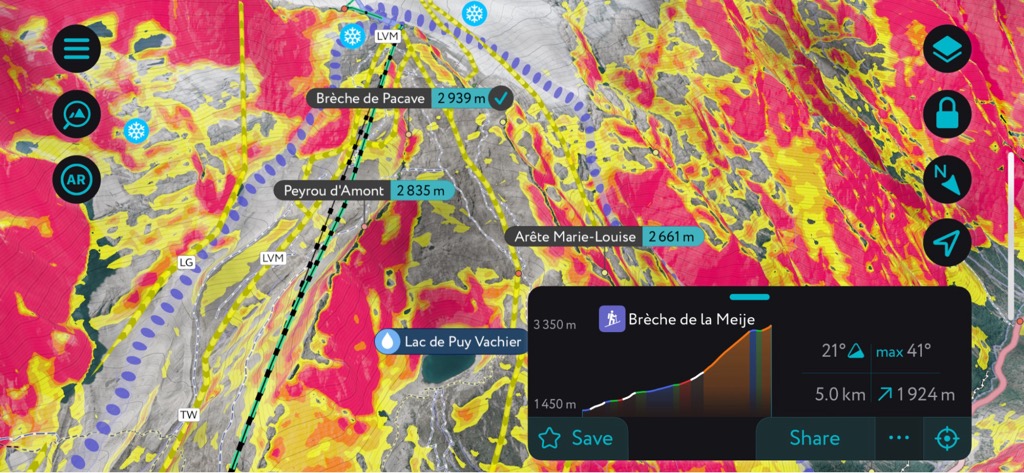
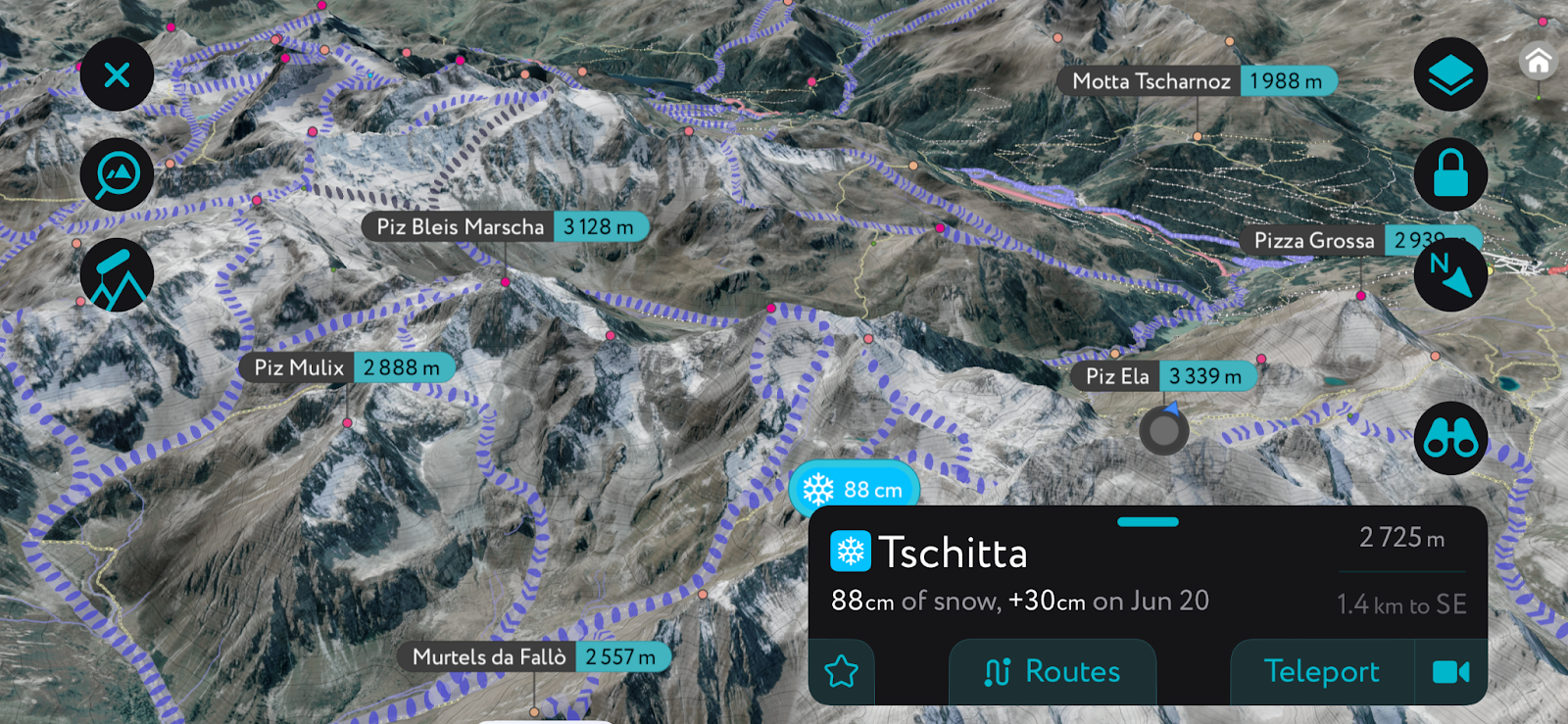
In addition to the visually stunning maps, PeakVisor's advantage is its variety of tools for the backcountry: