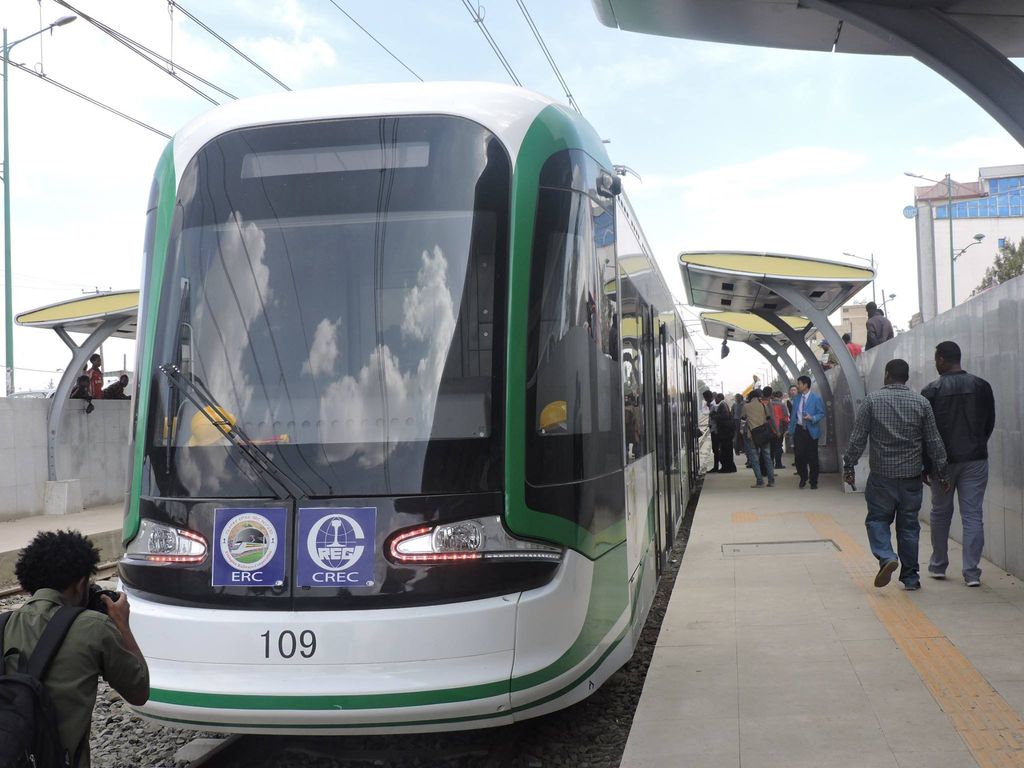
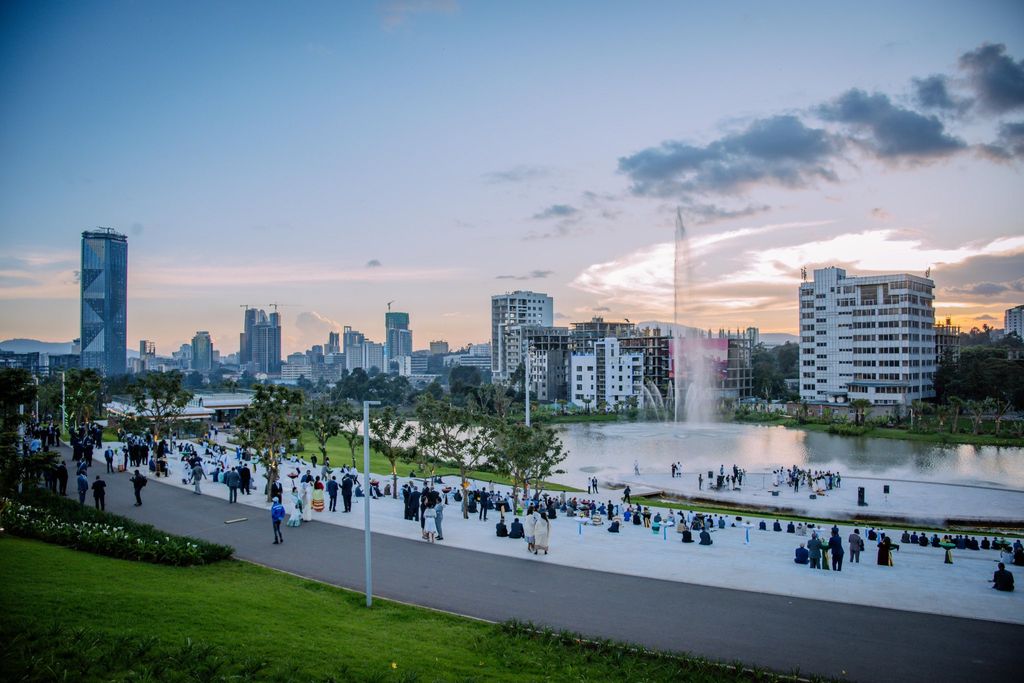
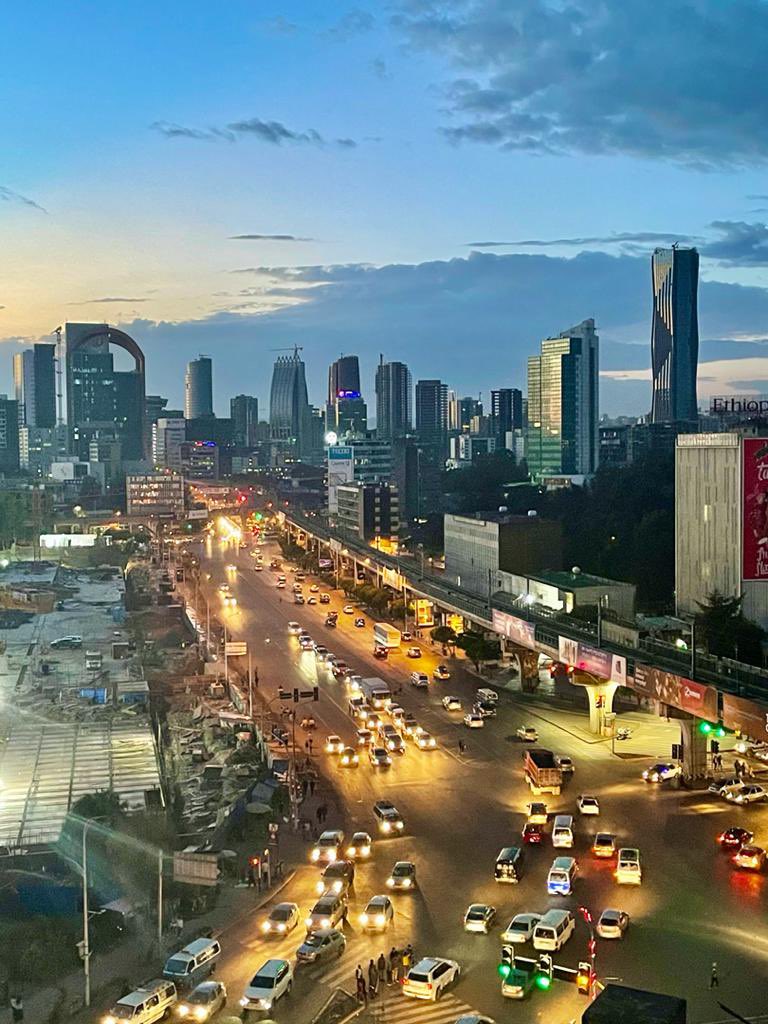
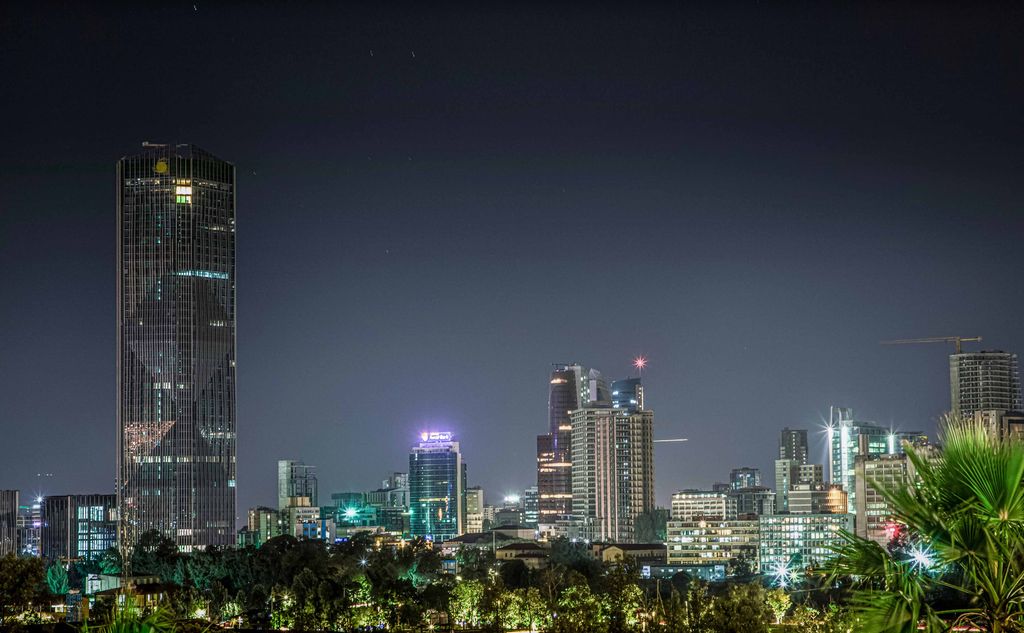
Addis Ababa (; Oromo: Finfinnee, lit. 'fountain of hot mineral water', Amharic: አዲስ አበባ, lit. 'new flower' [adˈdis ˈabəba] ) is the capital and largest city of Ethiopia. In the 2007 census, the city's population was estimated to be 2,739,551 inhabitants. Addis Ababa is a highly developed and important cultural, artistic, financial and administrative centre of Ethiopia. The founding history of Addis Ababa dates back to the late 19th century by Menelik II, Negus of Shewa, in 1886 after finding Mount Entoto unpleasant two years prior. At the time, the city was a resort town; its large mineral spring abundance attracted nobilities of the empire and led them to establish permanent settlement. It also attracted many members of the working classes – including artisans and merchants – and foreign visitors. Menelik II then formed his imperial palace in 1887. Addis Ababa became the empire's capital in 1889, and subsequently international embassies were opened. Urban development began with the 20th century, without any prior planning. Addis Ababa saw a wide-scale economic boom in 1926 and 1927, and an increase in the number of buildings owned by the middle class, including stone houses filled with imported European furniture. The middle class also imported newly manufactured automobiles and expanded banking institutions. During the Italian occupation, urbanization and modernization steadily increased through a masterplan; it was hoped Addis Ababa would be a more "colonial" city and continued on after the occupation. Subsequent master plans were designed by French and British consultants from the 1940s onwards, focusing on monuments, civic structures, satellite cities and the inner-city. Similarly, the later Italo-Ethiopian masterplan (also projected in 1986) concerned only urban structure and accommodation services, but was later adapted by the 2003 masterplan. Addis Ababa is a federally-chartered city in accordance with the Addis Ababa City Government Charter Proclamation No. 87/1997 in the FDRE Constitution. Called "the political capital of Africa" due to its historical, diplomatic, and political significance for the continent, Addis Ababa serves as the headquarters of major international organizations, such as the African Union and the United Nations Economic Commission for Africa. The city lies a few kilometres west of the East African Rift, which splits Ethiopia into two, between the Nubian Plate and the Somali Plate. The city is surrounded by the Special Zone of Oromia, and is populated by people from different regions of Ethiopia. It is home to Addis Ababa University. The city has a high human development index, and is known for its vibrant culture, strong fashion scene, high civic and political involvement of younger people, a thriving arts scene, and for being the heart of a country with one of the fastest economic growth rates in the world.
We use GPS information embedded into the photo when it is available.
3D mountains overlay
Adjust mountain panorama to perfectly match your photos because recorded by camera photo position might be imprecise.
Move tool
Rotate tool
Zoom
More customization
Choose which peak labels should make into the final photo and what photo title should be.
Next
Photo Location
Satellitte
Flat map
Relief map
Latitude
Longitude
Altitude
OR
Latitude
°'''
Longitude
°'''
Apply
Register Peak
Peak Name
Latitude
Longitude
Altitude
Register
Teleport
PeakVisor
This 3D model of Sagarmatha National Park in Nepal was made using the PeakVisor app topographic data. The mobile app features higher precision models worldwide, more topographic details, and works offline. Download PeakVisor maps today.
Download OBJ model
PeakVisor
The download should start shortly. If you find it useful please consider supporting the PeakVisor app.
PeakVisor for iOS and Android
Be a superhero of outdoor navigation with state-of-the-art 3D maps and mountain identification in the palm of your hand!