Scan the QR code and open PeakVisor on your phone
Parc naturel régional du Queyras has 243 named peaks. The highest is Pics de la Font Sancte at 3,385 m. Other notable peaks include Pic de Rochebrune, Bric Froid / Punta Ramière and L'Asti / Monte Aiguillette.
Tucked away in the southeastern French Alps, the Parc Naturel Régional du Queyras is one of Europe’s most underrated mountain reserves. Visitors to the Queyras will enjoy tranquility amid the imposing but accessible mountainscape. Many summits here are accessible via simple hikes, though they’re are also plenty of technical objectives for the mountaineers among us. It’s not just about the landscape; the park encompasses a culturally distinct region, with its own style of villages, architecture, and local cuisine (”tortons” are the local specialty). In total, the park occupies approximately 650 square kilometers (250 square miles) in the Hautes-Alpes department, bordering Italy. There are 243 named mountains in Parc naturel régional du Queyras. Pics de la Font Sancte (3,385 m / 11,106 ft at its northern summit) is the highest point. The most prominent mountain is Pic de Rochebrune (3,321 meters / 10,865 ft).
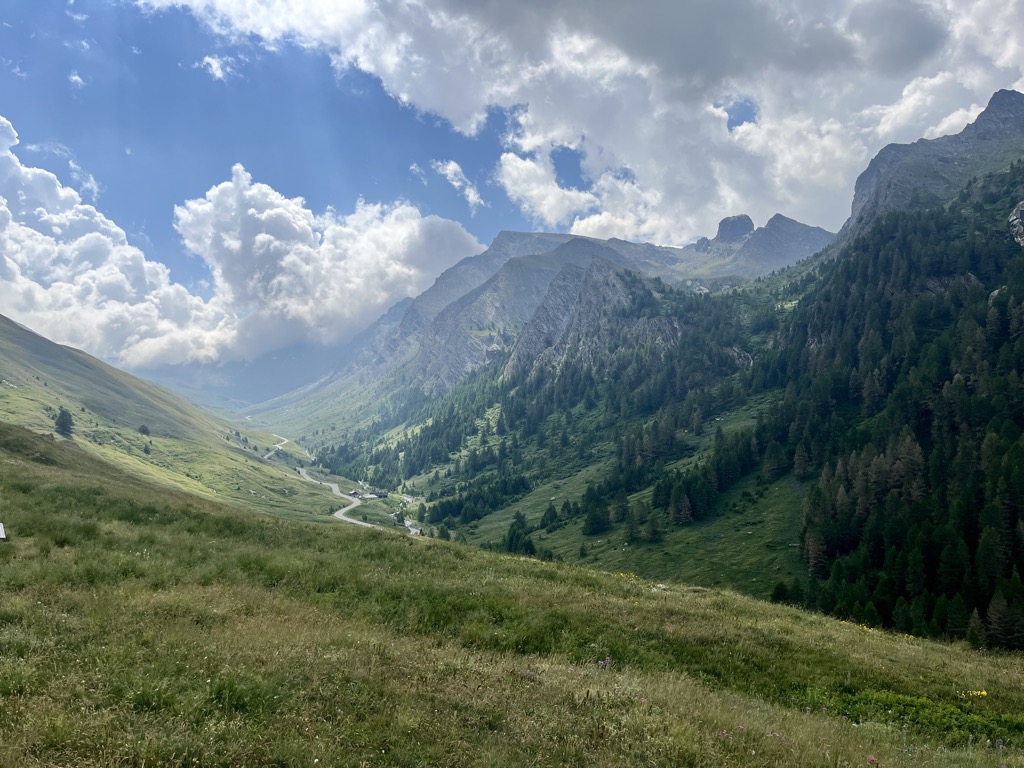
The Queyras lies in the northern part of the southern French Alps, between Briançon and the Durance River and the Italian border near the famous peak of Monviso. Well-known mountain regions surround it; the Écrins massif lies to the west, the Ubaye region to the south, and the Briançonnais to the north. The park features several peaks above 3,000 meters, including the aforementioned and recognizable Pic de Rochebrune (3,321 meters / 10,865 ft) and Pain de Sucre (3,208 m / 10,524 ft).
The main river, the Guil, carves through the region from east to west, forming the Queyras valley. Its deep canyon at Combe du Queyras is a dramatic geological entryway to the heart of the park, if you’re coming from Guillestre—the alternative to pass over the Col d’Izoard from Briançon.
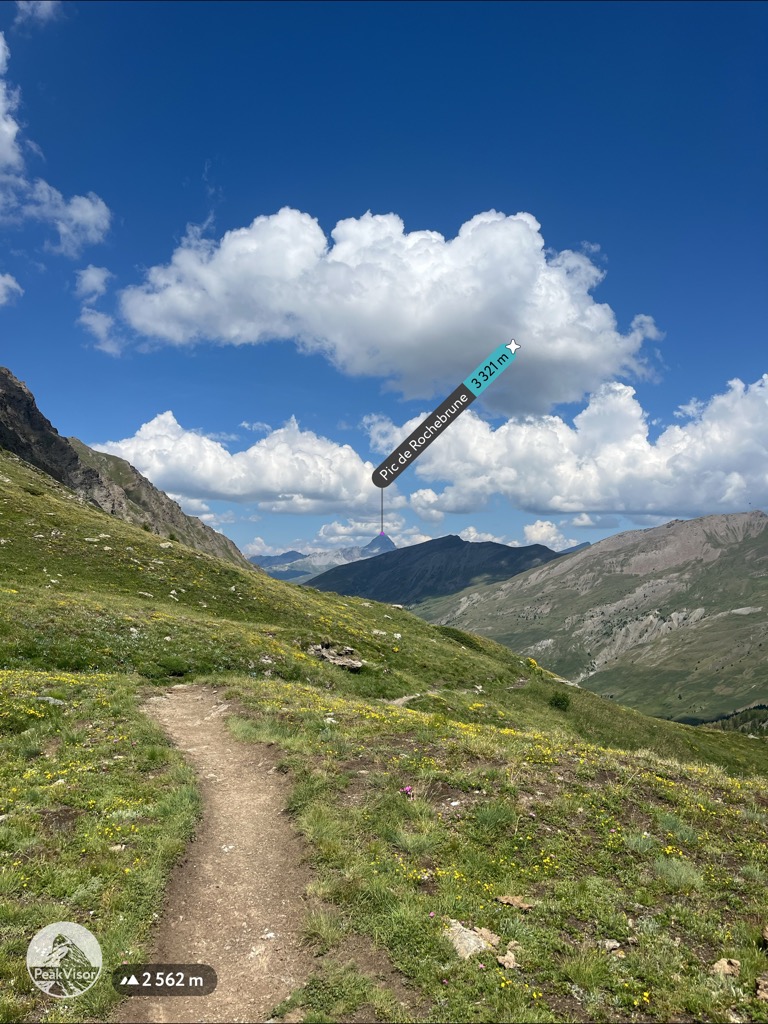
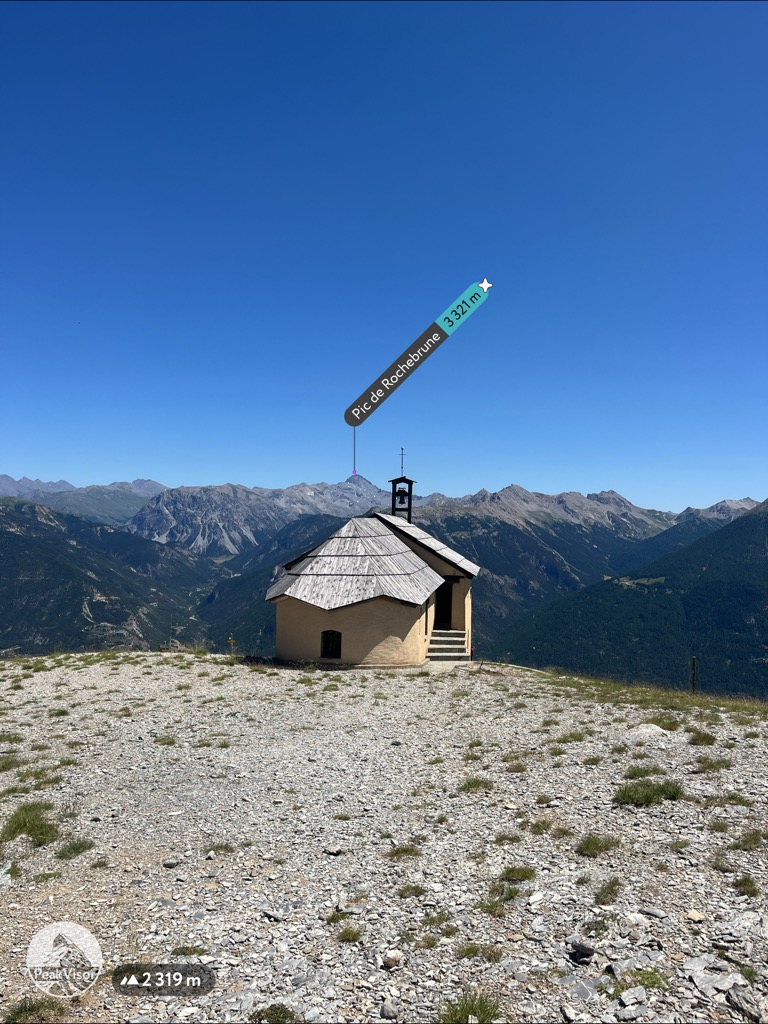
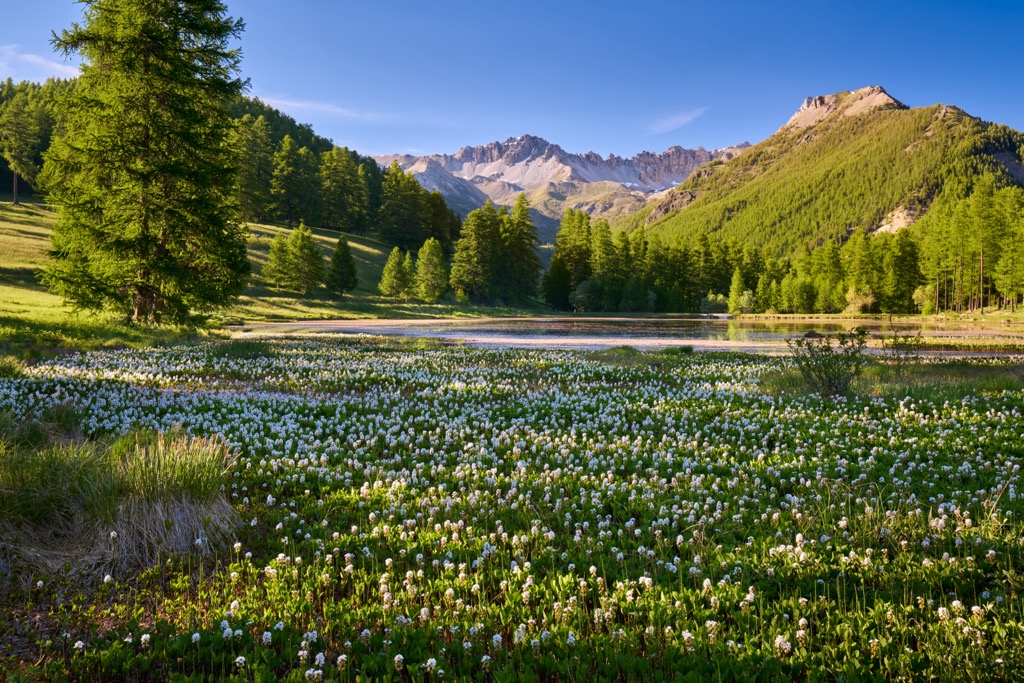
The topography varies from pastoral hillsides—still used for grazing livestock—to vast larch forests to lunar alpine ridges and glacial cirques.
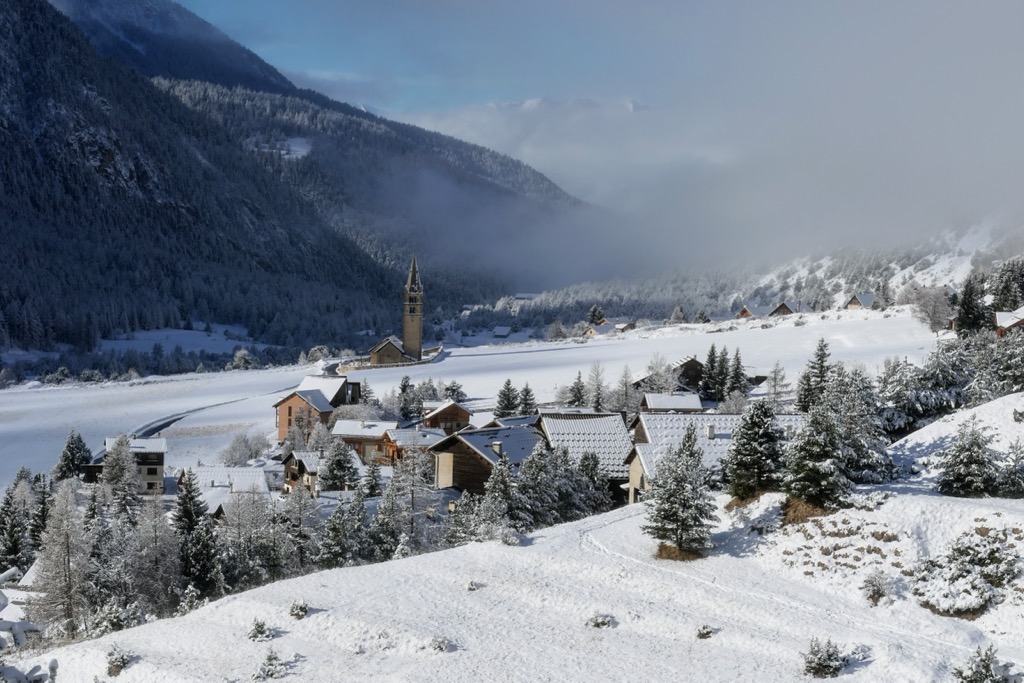
Within the park, villages occupy valleys while satellite villages, known as hameaux (hamlets), cling to steep, terraced hillsides above. Settlements here are quite high; Saint-Véran is one of the highest inhabited villages in Europe at 2,042 meters. Because the villages are so high, it’s a great place to escape the summer heat. You can also find excellent snow in the winter, especially during a phenomenon known as a retour d’est, when winds blow from the east instead of the usual westerly stream.
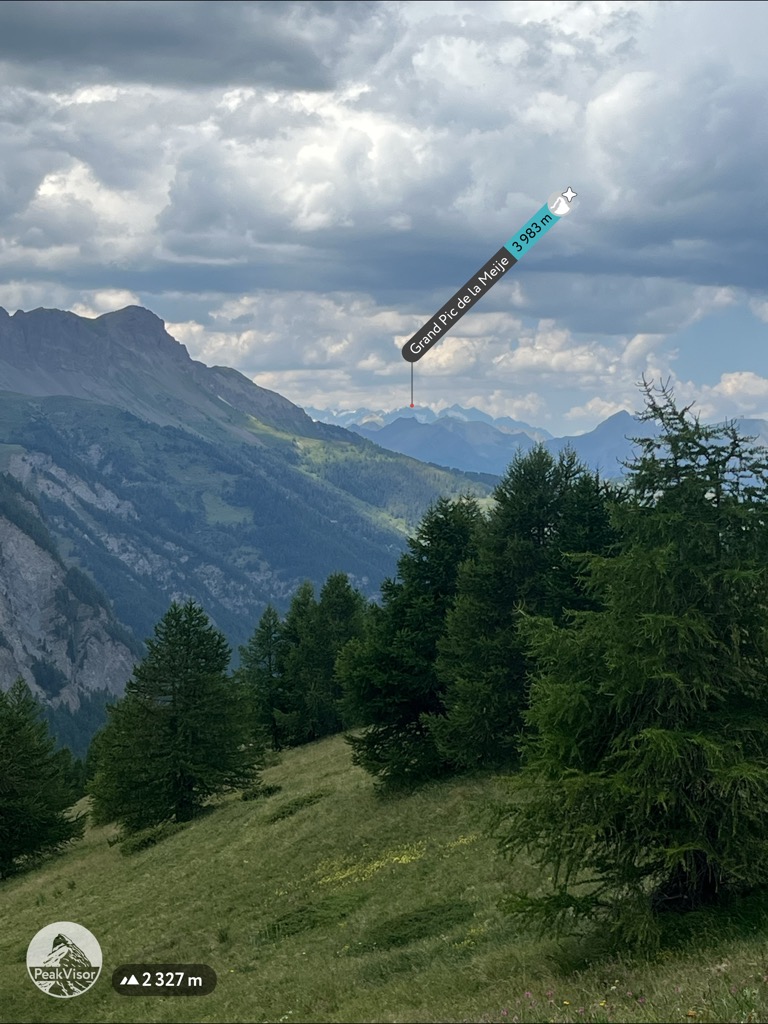
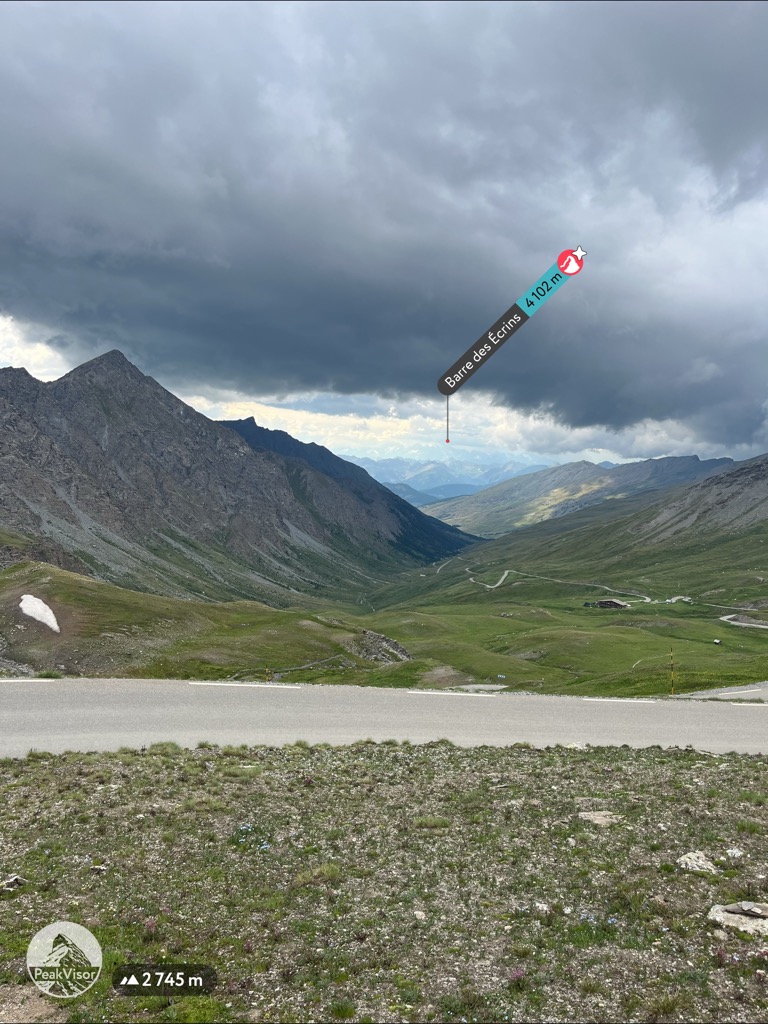
The European Alps were created by the Alpine Orogeny, which occurred between 64 and 2.5 million years ago. The orogeny results from the collision of the African and Indian plates with the Eurasian plate, forcing the crust upward. In many places, orogeny is ongoing, notably in the Himalayas, where the Indian plate has only recently collided with Eurasia and continues to exert force on the crust. Even at a few tens of millions of years old, the Alps are still young, hence the towering, jagged peaks and low valleys.
Every valley within the department has been shaped to some extent by glaciation. Glaciers have ebbed and flowed over the past 2.5 million years. In addition to the sculpted valleys, you can see large boulders - known as glacial erratics - throughout the Durance Valley near Gap.
The Queyras consist mainly of limestone, dolomite, basalt, and glossy schist. The region is part of the Piemontais Zone, a tectonic domain derived from remnants of the Mesozoic ocean known as the Tethys Sea.
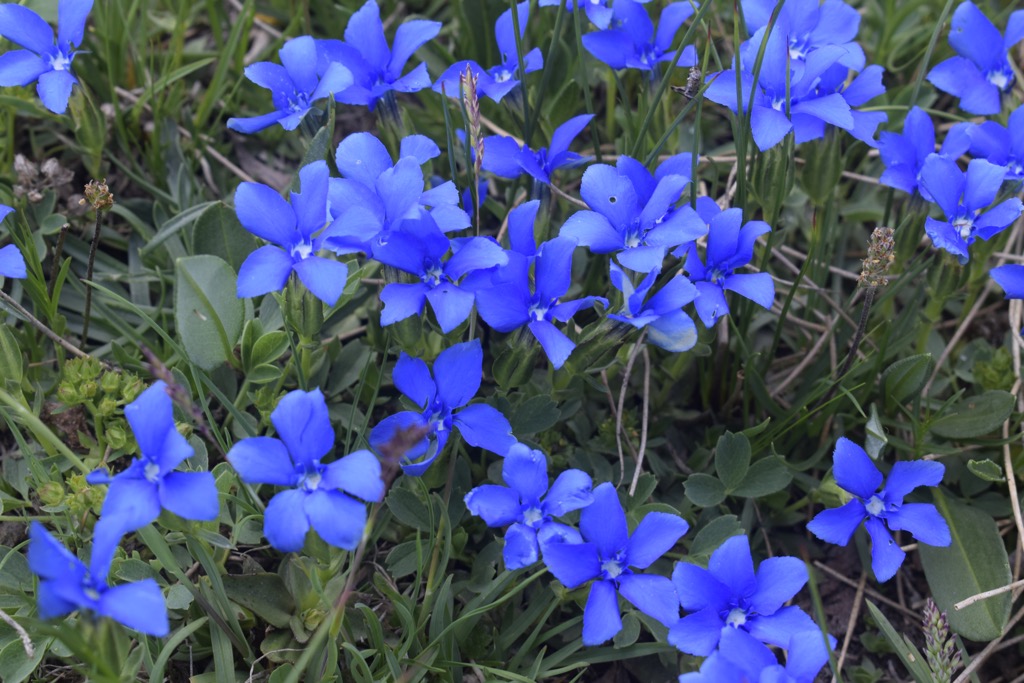
The park hosts over 2,000 plant species. High-elevation meadows bloom with an endless array of wildflowers, the most famous among them being edelweiss, glacier buttercup, and blue gentian, while subalpine forests are dominated by larch (Larix decidua), known as mélèze in French. The Queyras is one of the few regions in France where the traditional hay meadows and terraced pastures have been continuously maintained.
Ibex and chamois are commonly seen on rocky ridges. Marmots populate grasslands and scree slopes to an absurd degree; you’ll have seen thousands of these furry friends by the time you finish up your hiking trip to the Queyras. Meanwhile, golden eagles and bearded vultures (reintroduced in recent decades) dominate the skies. Carnivores like the Eurasian lynx, grey wolf, and red fox are elusive but present, especially in the shadowy depths of the many larch forests.
The Queyras has been inhabited for millennia, though its high altitude and remote location limited permanent settlement in the earliest days. In pre-Roman times, archeological evidence suggests that nomadic herders may have periodically passed through (neolithic transhumance). Eventually, the Durance River Valley, as well as many other parts of France, became home to Roman settlements. The name "Queyras" likely derives from a pre-Roman or Celtic root referring to stony terrain.
During the Middle Ages, Queyras communities developed sophisticated systems for water distribution and forestry. You can still hike along these ancient canal routes today. The canals no longer exist, but their footprints are now home to beautiful trails that offer a respite from the steep alpine trails up and down the mountains.
The Vauban fort at Château-Queyras was part of a broader defensive network protecting France's Alpine frontier. Larger forts can be seen at the old city of Briançon.
The Industrial Revolution emptied out the Queyras in the 19th and 20th centuries. Many families emigrated to the cities, leaving behind terraced fields and old farmhouses. Ironically, the abandonment preserved the traditional landscape and architecture, which is now central to the park’s appeal.
The economy has recovered somewhat with the rise of tourism, but fortunately, the region has not sacrificed its character, unlike other mountain regions. Locals are well aware of this and take great pride in it.
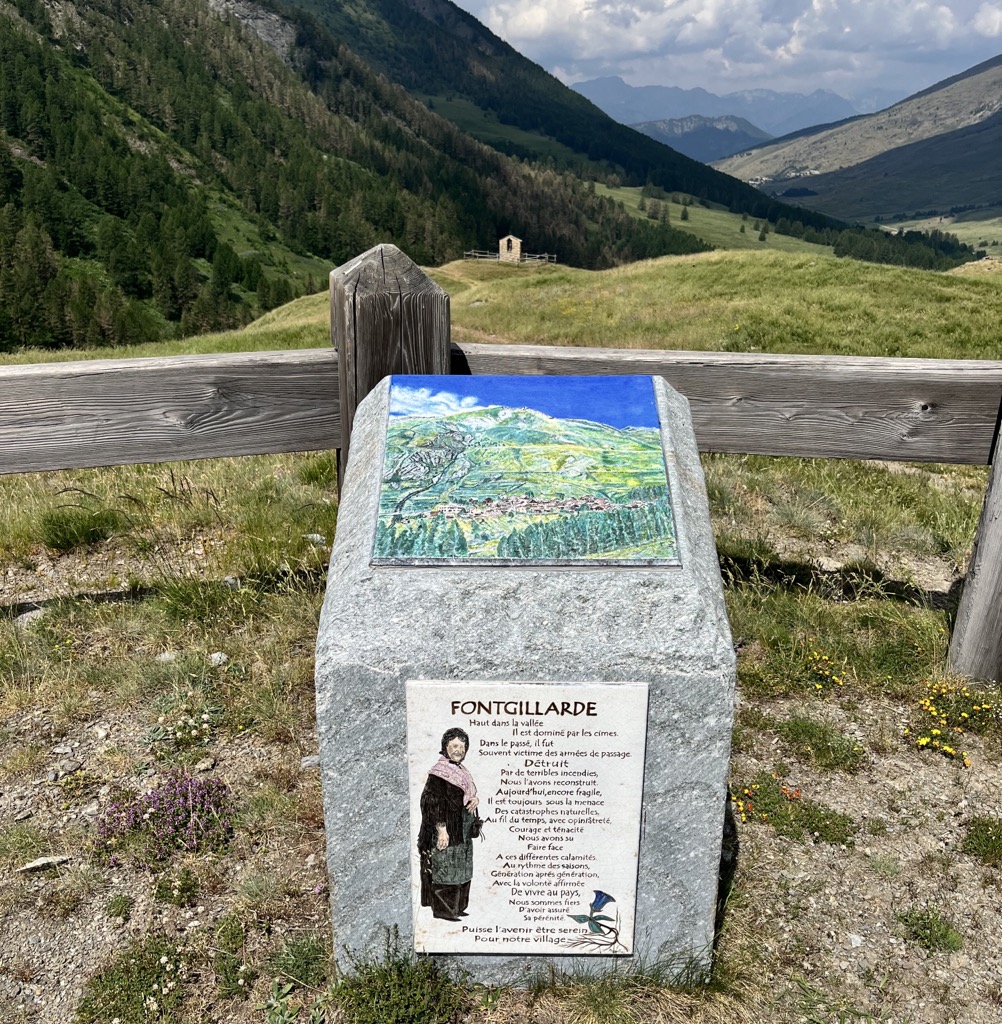
The Tour du Queyras is the jewel of the region, a long-distance hiking trail that circles the entire park over 8 to 10 days. This Grand Randonnée route covers approximately 130 to 150 kilometers, depending on variations.
It’s one of the most rewarding Grand Ranonnées, offering cultural heritage and postcard-perfect villages in addition to the alpine scenery, without the crowds of better-known GRs in the Alps (Corsica’s GR20 is an example). The GR58 is a loop, so hikers can begin and end the tour at multiple access points, whether Ceillac, Saint-Véran, Abriès, or Château-Ville-Vieille. The route crosses several mountain passes (cols) above 2,500 meters, with a total elevation gain of around 8,000 meters.
The GR58 passes through or near villages at regular intervals, allowing hikers to stay in gîtes, refuges, or campgrounds, and to resupply on local specialties such as tomme cheese and tortons.
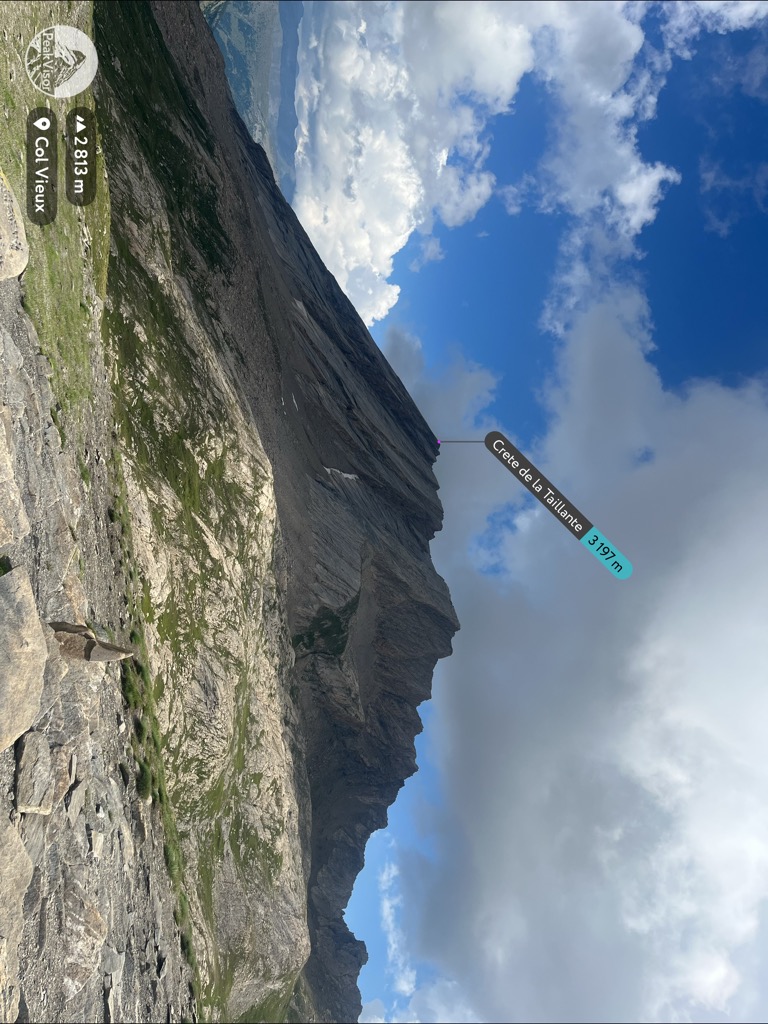
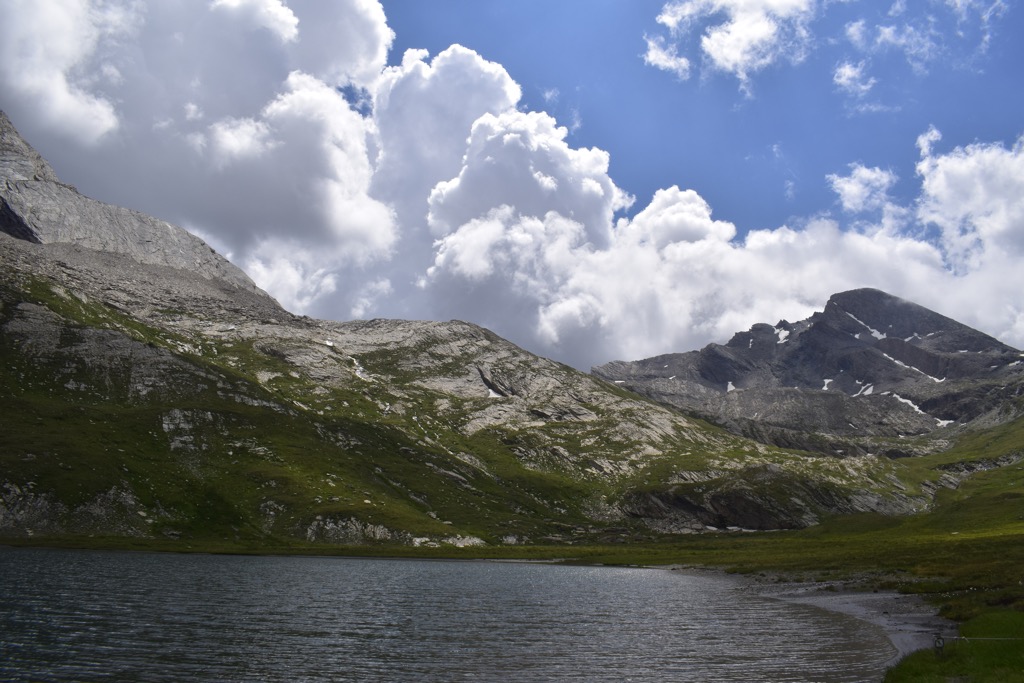
The Col Vieux is a great hike because you start high—near the top of the Col Agnel—and only have to ascend a couple of hundred meters. From the Col Vieux, there are numerous options. You can head to the classic Pain de Sucre for a more committing adventure, or you can just descend to the Lac Foréant for a repose by the scenic shores, as we did. Click here to see our route.
Bonus: We followed up this short hike with a drive over the Col Agnel into Italy. The hiking around Monviso is genuinely exceptional, and the villages are cultural relics, even more so than on the French side. Be sure to stop at the small alimentare, or grocery store, in Chianale for some excellent soft serve ice cream.
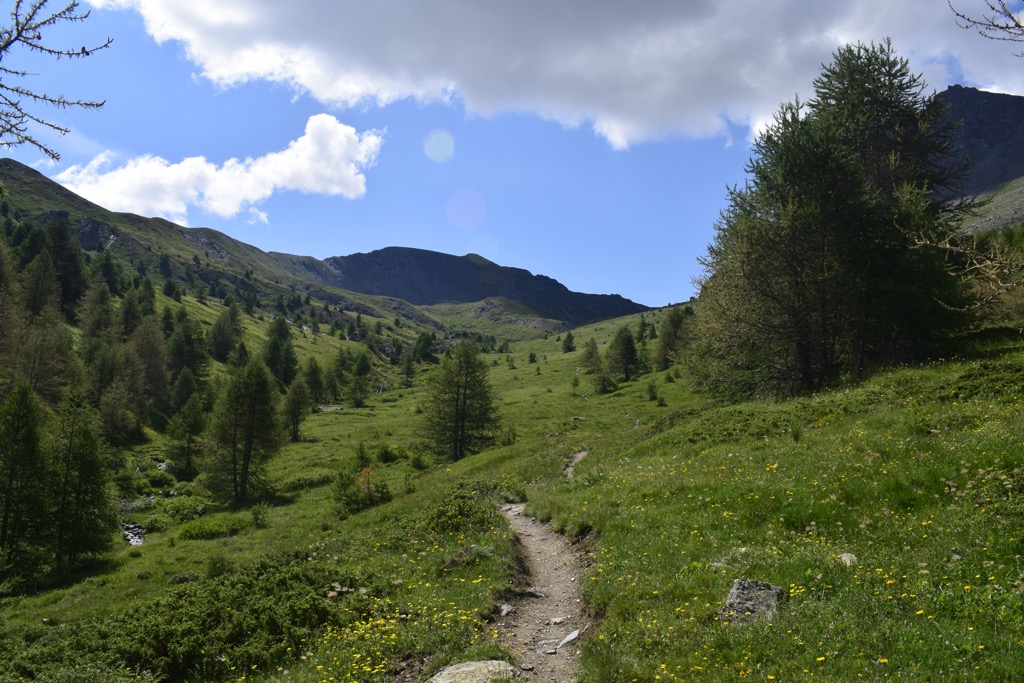
Here’s the perfect tour around the Saint-Veran region. It can be completed in a nice loop if you link some access roads along the ski resort.
Click here to see our route. We started from Pierre Grosse (Camping de Chanterane) and headed along a gravel road to the Col du Longet ascent. That was a punchy 700-meter (2,300 ft) climb, but with rewarding views at the summit. We then followed an access road down to one of the old canal trails, which brought us to the village, where we followed roads back around the mountain to Pierre Grosse.
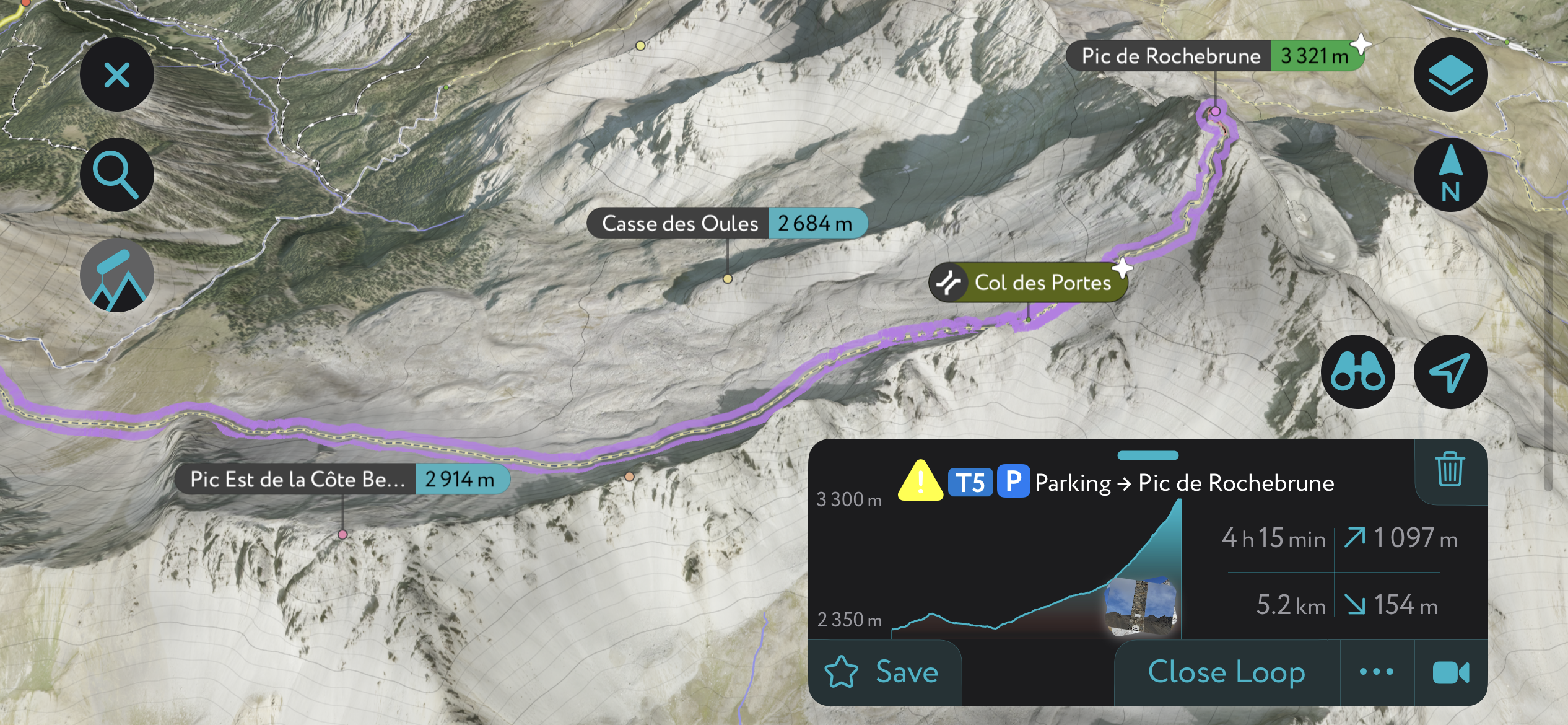
The Pic de Rochbrune, being the most prominent in the Queyras, is visible from all around (follow the link to see the route). This pyramidal-shaped mountain invites you to climb it, if that’s your thing. You start at the top of the Col d’Izoard, so it’s only a 1,000 meters (!) of elevation gain, modest for the Alps.
Here, we’ll depart from mere hiking and enter the world of alpine climbing. While the vast majority of the ascent is non-technical, the final passage to the summit is rated T5 on the Swiss Scale, meaning most parties will want to rope up and place some protection. However, the actual climbing is not particularly difficult. It’s all rock, no glacier crossings here. It’s a worthy entry point into the world of alpine climbing.
Ski touring in the Queyras is virtually unlimited. Just look up at the mountains to imagine all the possibilities. I’ll outline a few good itineraries for those looking to get off-piste.
For those looking to ski powder, using the lifts at St. Veran and Abriès allows you to access the goods before the window closes.
Another thing to note is that much of the moderate ski touring terrain is on south-facing alpine meadows, so you have to work around the sun. The north-facing terrain is craggier and more complex.
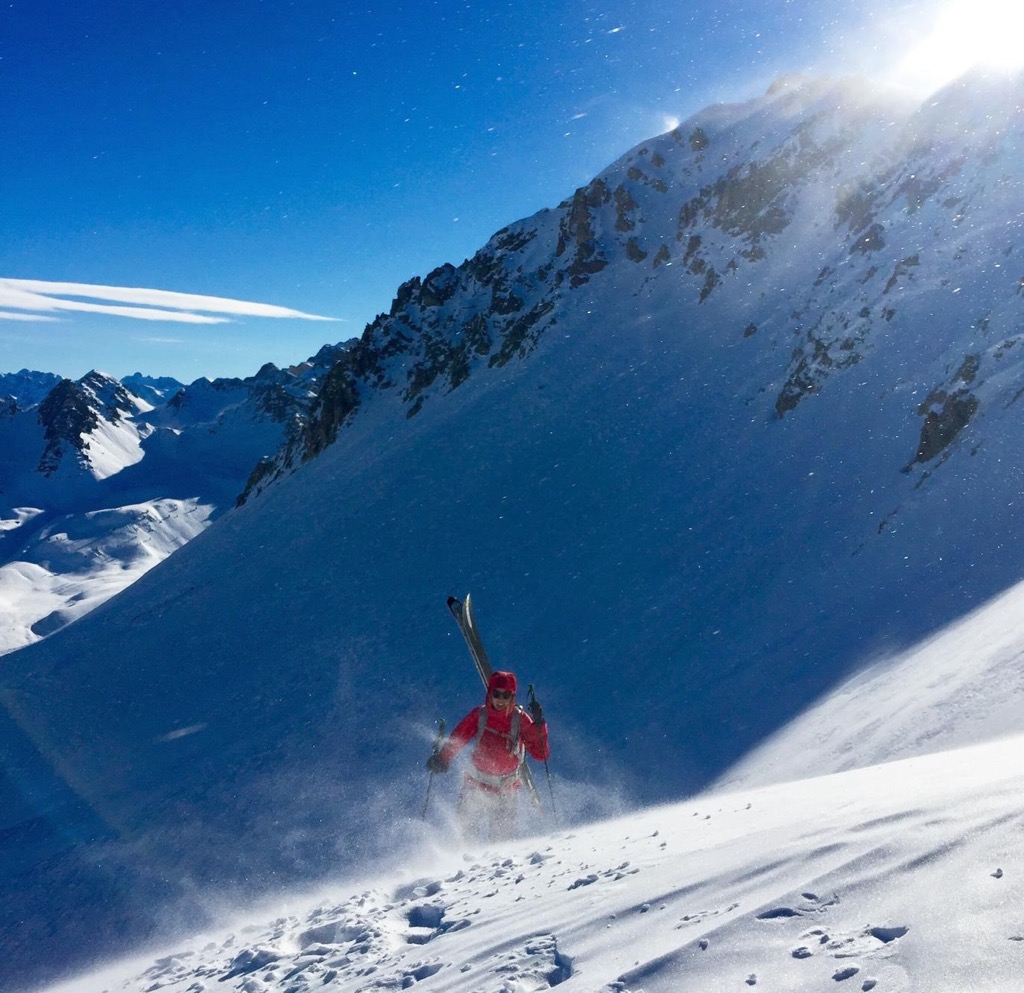
Abriès (also known as Abriès-Ristolas) boasts the region's second-highest lifted skiable vertical of 900 m (2,953 ft) and the best opportunity for exciting freeride descents. Be warned; the lift infrastructure is dated, and you’ll be subjected to multiple slow chairs and draglifts to reach the top. On the other hand, the non-commercial vibe of Abriès and its ancient base village are priceless.
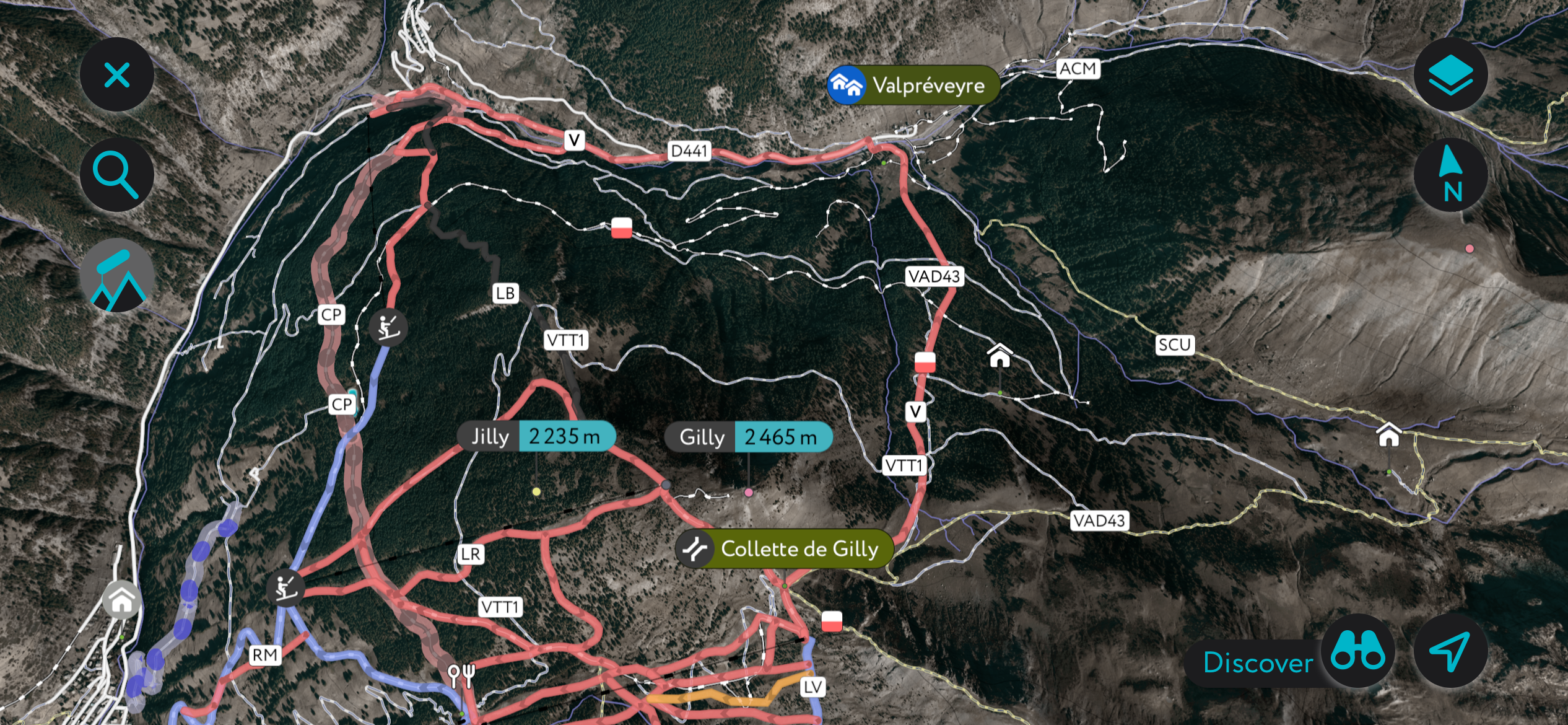
The broad north-facing forested terrain down to the hamlet of Valpreveyre from the 2,463 m (8,087 ft) summit of Gilly is enticing for freeride powder seekers. A new lift now brings skiers back to a traverse track to Abriès, eliminating the need to wait for a bus.
These descents off the backside are not patrolled or controlled for avalanches, and although it’s mostly tree skiing, several features could pose an issue on the wrong day. Steep chutes and faces lurk amongst the trees. I recommend bringing a full avalanche kit and some friends who know the descents - you’ll have more fun that way. Any route-finding uncertainties can also be mitigated with the PeakVisor App, which displays all this terrain in high-resolution 3D Maps.
If you prefer sunnier freeride descents, you can opt for mixed open and forested terrain that leads down to Ristolas.
When’s the best time to come here? Keep an eye out for storm systems called retour d’est, literally “return from the east.” It’s when the winds blow from the east as opposed to the prevailing westerly. This favors the Italian Alps and also the Queyras, which is still east of the main Alpine ridge. Abriès can rack up some seriously deep snowfalls during these events, and the snow often falls without any wind, meaning there’s a good chance for perfect powder.
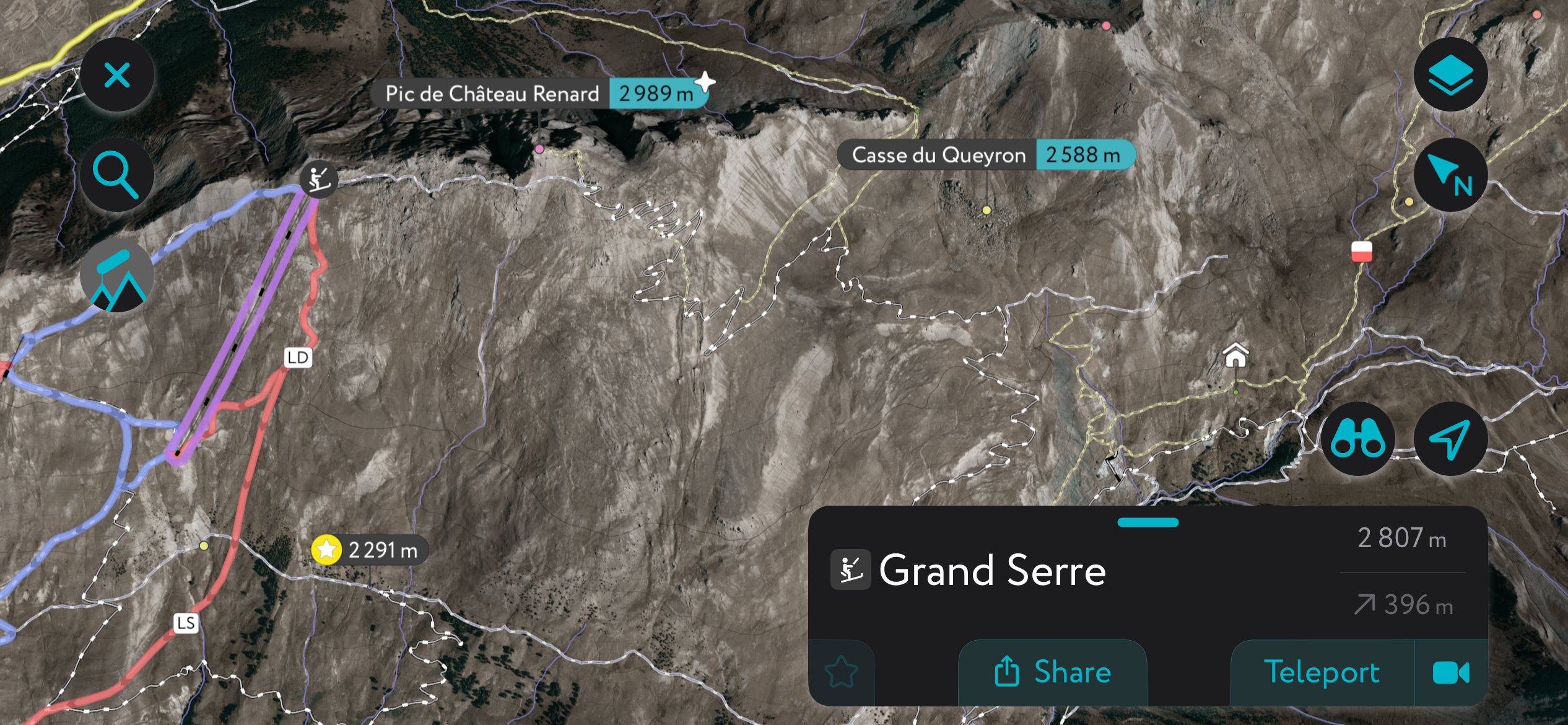
Another lift-access powder paradise is the small resort of Saint-Veran, an even lesser-known gem than Abriès. The village is not purpose-built in the slightest; it’s an ancient hamlet that retains all of its original charm. The lifts reach 2,800 meters, surprisingly high for such a small resort. The only downside is that most of the terrain is directly south-facing, meaning it will become sun-affected much faster.
From the top of the Grand Serre, Saint-Veran’s highest lift, you can head skiers’ left for access to a vast domain of mellow powder fields. At some point, you’ll have to traverse back right to return to the village. These lines are south-facing, so powder won’t last as long.
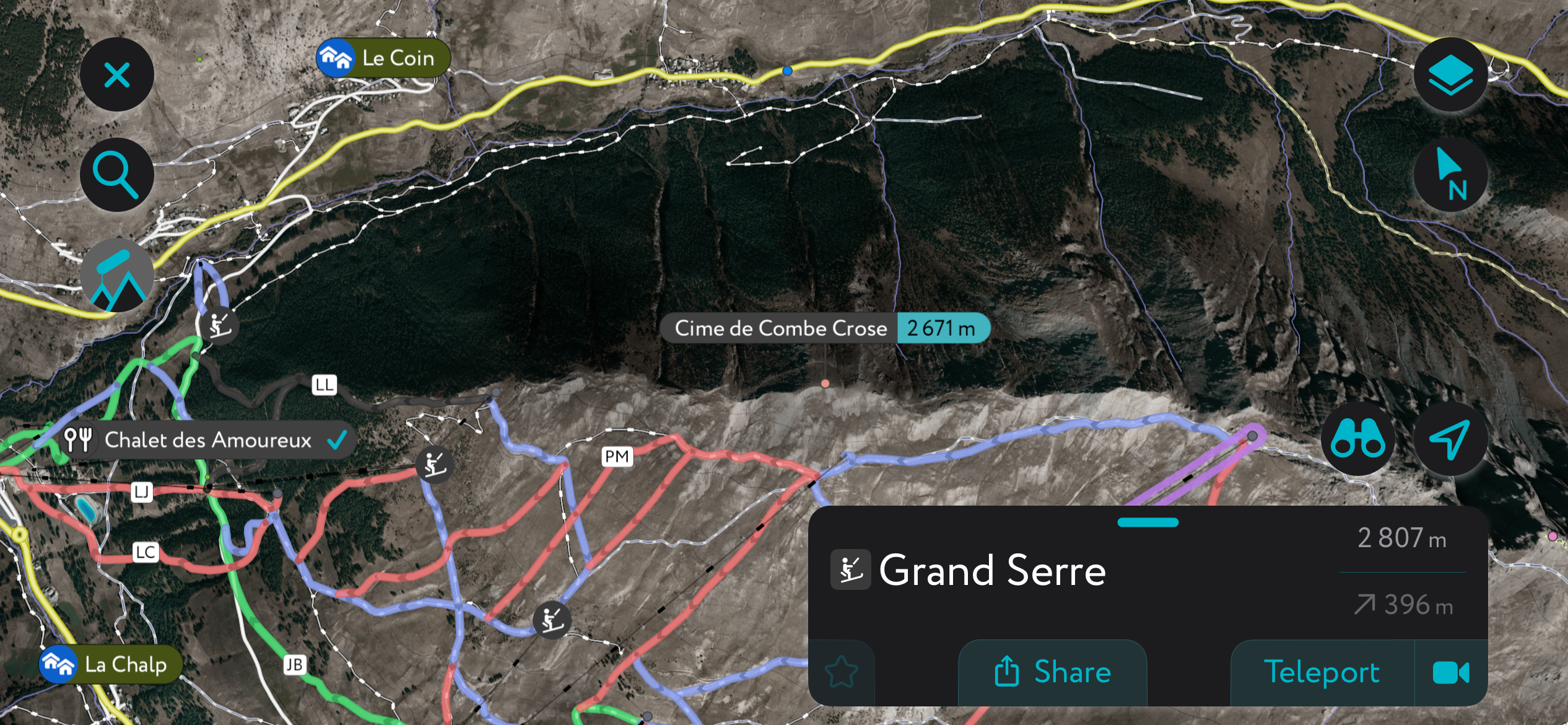
For powder seekers, there is some north-facing, forested terrain on the back side of the resort. These mélèze forests are perfect for tree skiing if there’s enough of a base to cover up obstacles. The entire area is above 2,000 meters, so your chances are pretty good compared to other tree skiing in the Alps. There’s an old forest road that you can traverse back on until you reach the pistes back to Saint-Veran.
For purely human-powered ascents, I would head toward the Col Agnel. The col is closed during winter, but you can still reach at least 2,000 meters on this road before you start skinning. It’s an east-west valley, so you have access to the south and north faces on either side. The south side is covered in alpine meadows, typical of the Queyras. The north side is more forested with craggy peaks above, featuring an untold number of couloirs.
With 2,000 permanent residents, Guillestre is a small town. But it has the feel of a tiny city, with its tight medieval core. If you make a trip to the Queyras, don’t miss out on an exploration of this hip little mountain town.
Guillestre is located at the confluence of the Guil and Durance rivers and is the principal gateway to the Queyras. It sits at the foot of the shadowy Gorges du Guil, where the terrain begins its sharp ascent into alpine territory. It’s about 45 minutes of exciting driving from the heart of the Queyras. It’s also about 45 minutes to the entrance of the Écrins National Park in Ailefroide. It’s even closer to the Alpes de Sud, with ski resorts like Vars-Risoul and Les Orres.
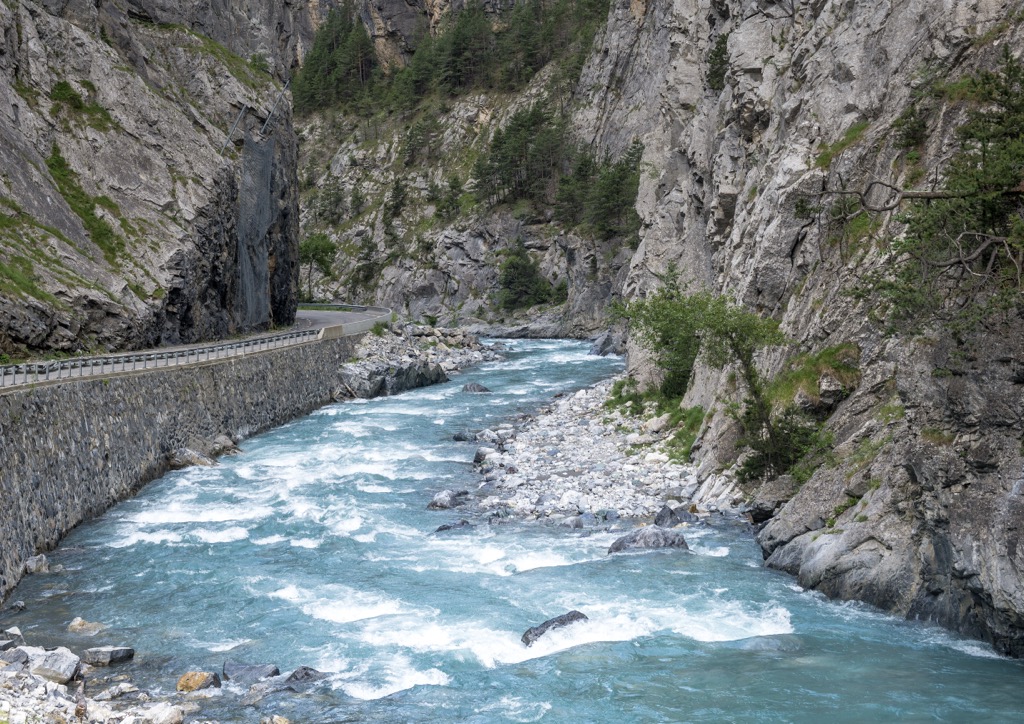
Guillestre has retained a strong local identity in the face of the tourism of recent decades. This is partly due to the fact that there are no ski resorts directly in town, which means real estate developers and second home owners haven't taken over. In young, outdoorsy circles, it’s considered one of the coolest places to live these days.
At 1,000 meters, Guillestre has a much milder climate than the nearby alpine regions. It’s warmer and drier, being situated in a large valley between towering mountain ranges, which gives the town an almost Mediterranean climate. You’ll start to see the vineyards popping up just south of Guillestre, as you head toward the Lac du Serre-Ponçon and Gap.
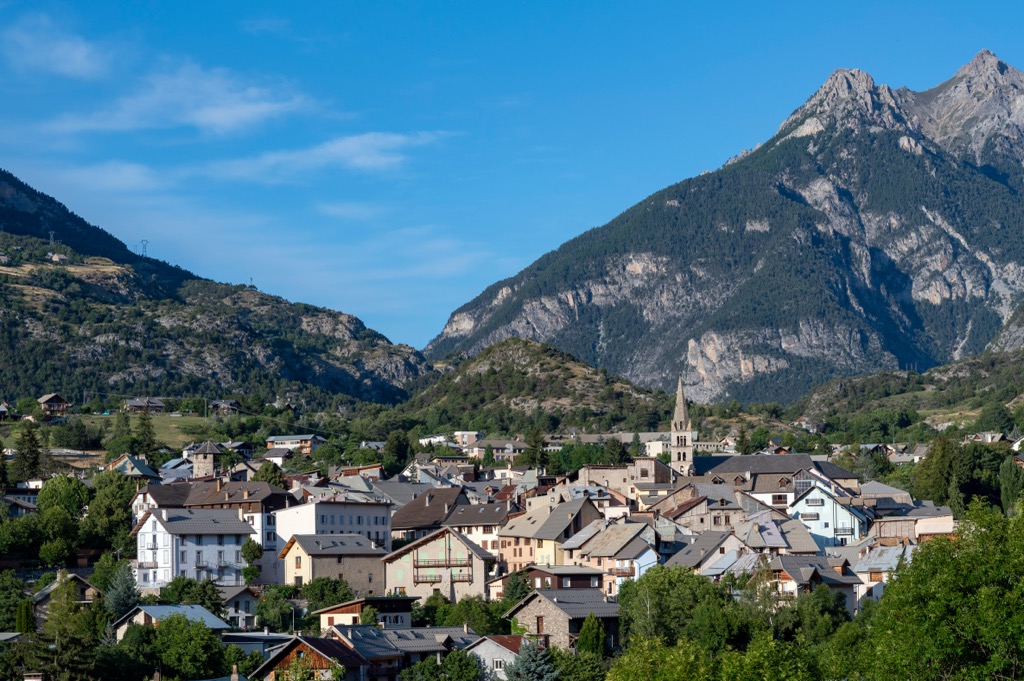
Abriès is situated at 1,550 meters near the headwaters of the Guil River and just a few kilometers from the Italian border. The village has a great alpine character, with narrow stone-paved streets, traditional wooden chalets, ancient churches, quaint shops, and a far less commercialized atmosphere than other French ski resorts.
You could say Abriès has embraced a slow tourism model, with small-scale accommodations. It’s very much the opposite of the mega-resorts of the French Alps. Check out the camping du Chardonnet along the river for a peaceful, affordable spot to base during summer. Winter offers skiing, while summer is for hiking, rock climbing, enduro mountain biking, and cycling.
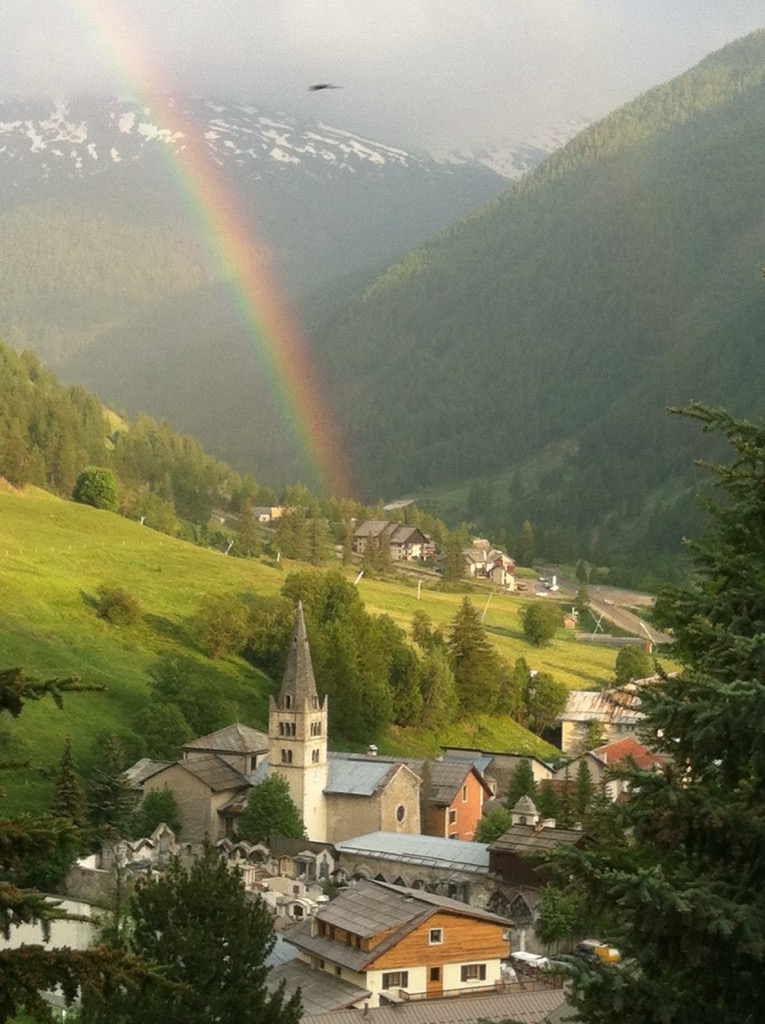
Saint-Veran is one of the highest villages in the Alps, at around 2,050 meters. That’s 1,000 meters higher than Chamonix. It’s slightly bigger than Abriès but still very quaint. The town is ancient, with old wooden houses featuring roofs shingled with larch and slate. There are a couple of museums and a surprising selection of restaurants and small hotels.
The village of Pierre Grosse is also connected to the ski resort. In the summer, I recommend Camping de Chanterane; it’s one of the best campgrounds I’ve ever stayed at, and it’s quite centrally located to access many different adventures in the Queyras. The nearby village of Molines-en-Queyras is also very attractive.
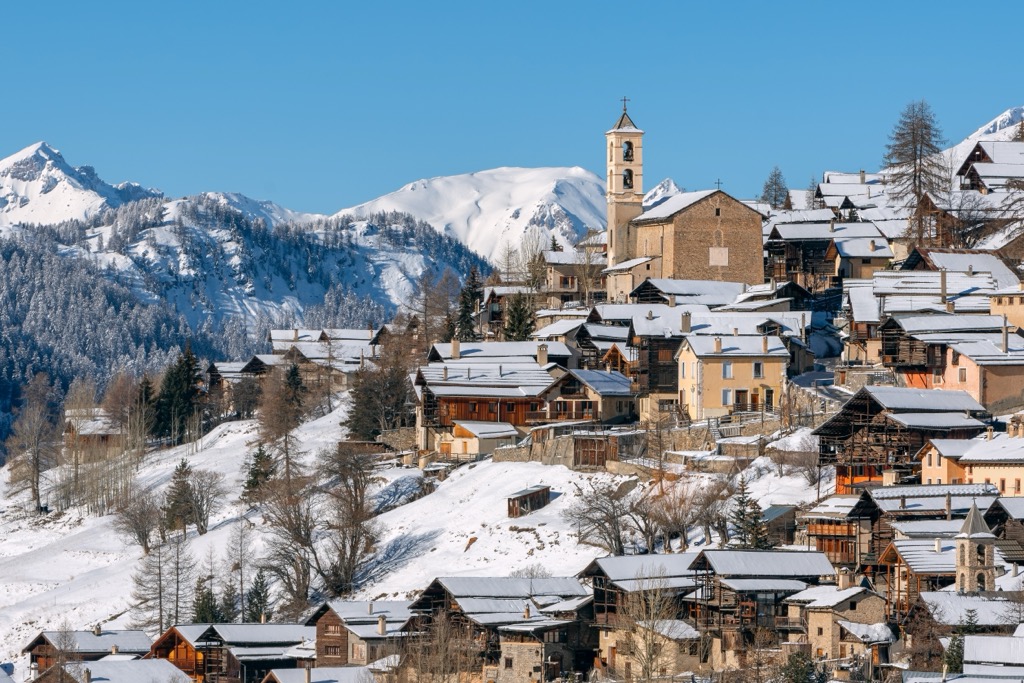
Ceillac is your go-to spot to access the southern reaches of the Queyras. Unlike the enclosed valleys elsewhere in the Queyras, Ceillac opens onto wide meadows. Nevertheless, this wide valley is also proximate to imposing peaks like the Queyras’ tallest, the Pic de la Font Sancte.
In summer, Ceillac is a base for alpine hiking, with access to alpine lakes such as Lac Miroir and Lac Sainte-Anne. It’s also a hotspot for paragliding in the Queyras, with guided tours available. In winter, the village is a base for cross-country skiing, ski touring, and ice climbing on frozen waterfalls like the Cascade de la Pisse. A small ski area mainly caters to families and beginners.
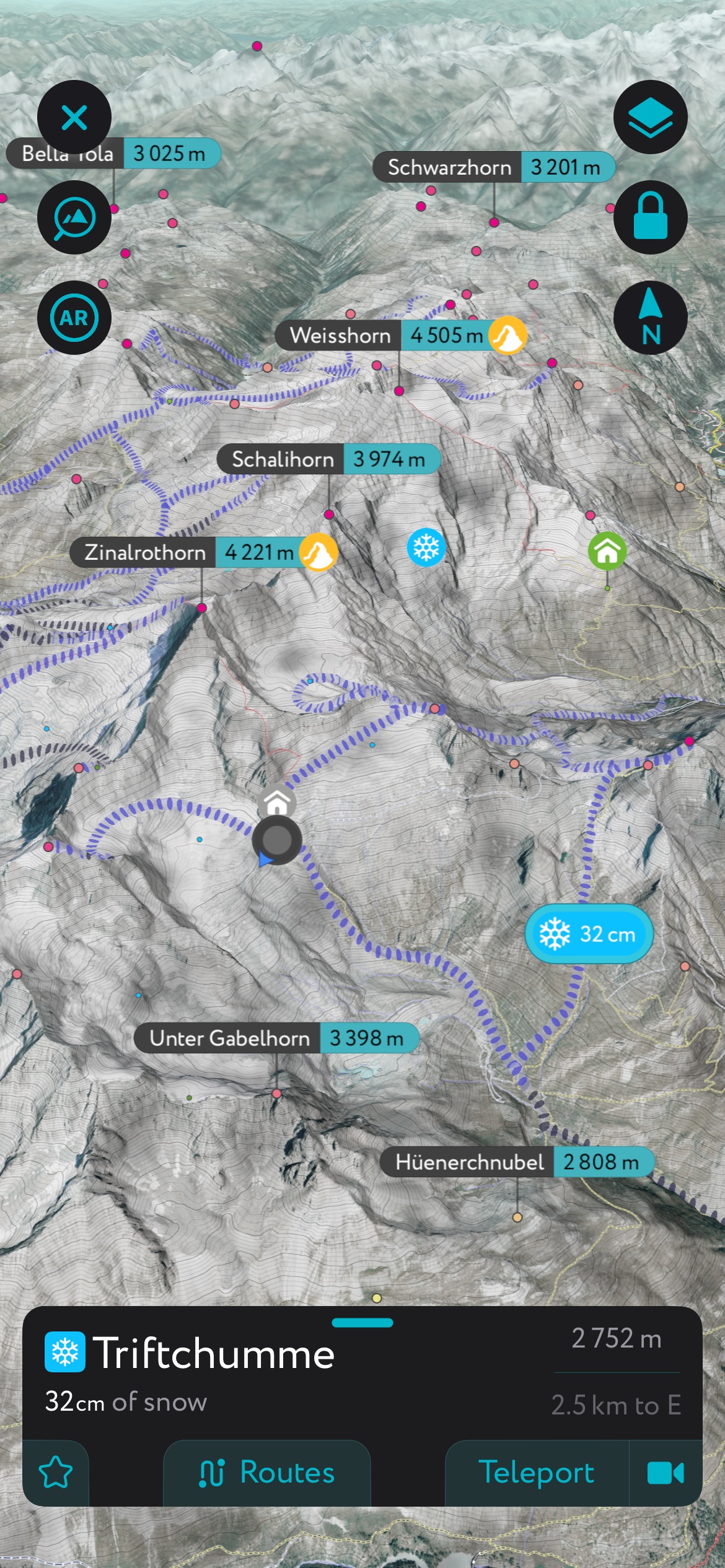
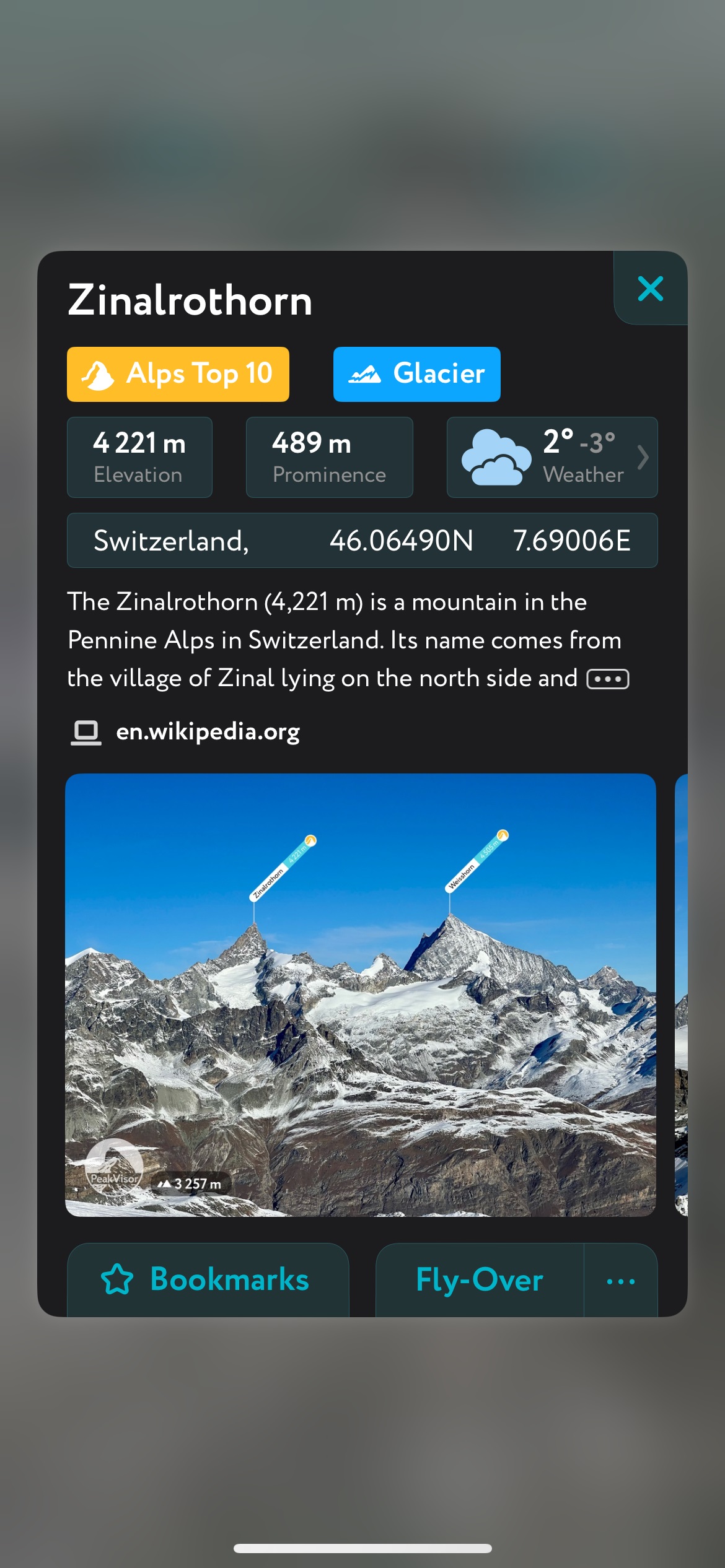
If you liked this story, you should know that it was brought to you by the one and only PeakVisor App. PeakVisor is a leader in the augmented reality 3D mapping space; we’re the product of nearly a decade of effort from a small software studio smack dab in the middle of the Alps.
I use the app to track activities, navigate with exquisite 3D maps, and learn the names of the surrounding peaks. I’m all for tools that help quicken the pace in the mountains, and the PeakVisor App greatly accelerates things. It’s also critical for planning, whether I’m headed into the backcountry or searching for off-piste goodies at a new ski resort. Read on for a breakdown of some of the app’s best features.
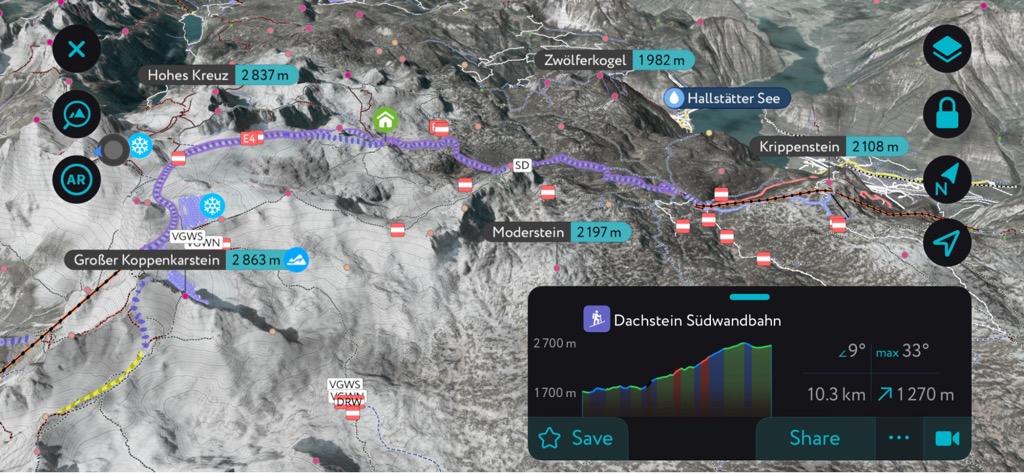
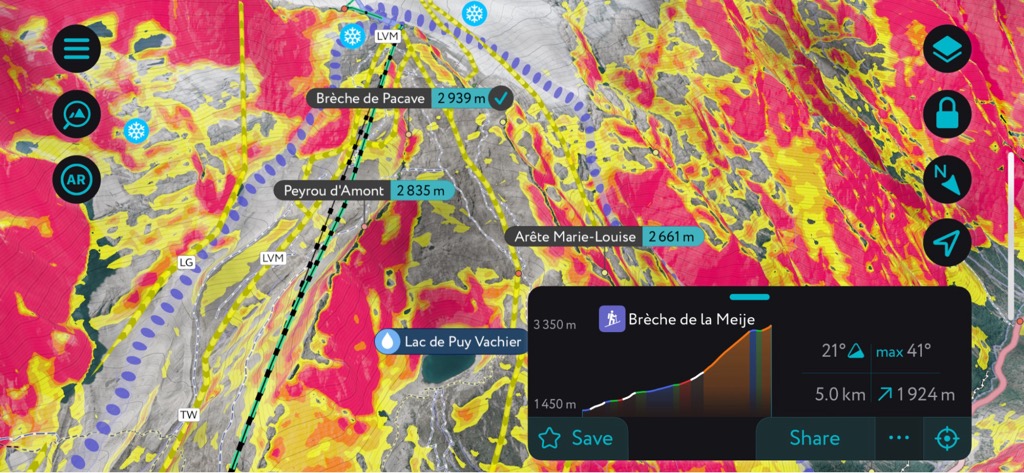
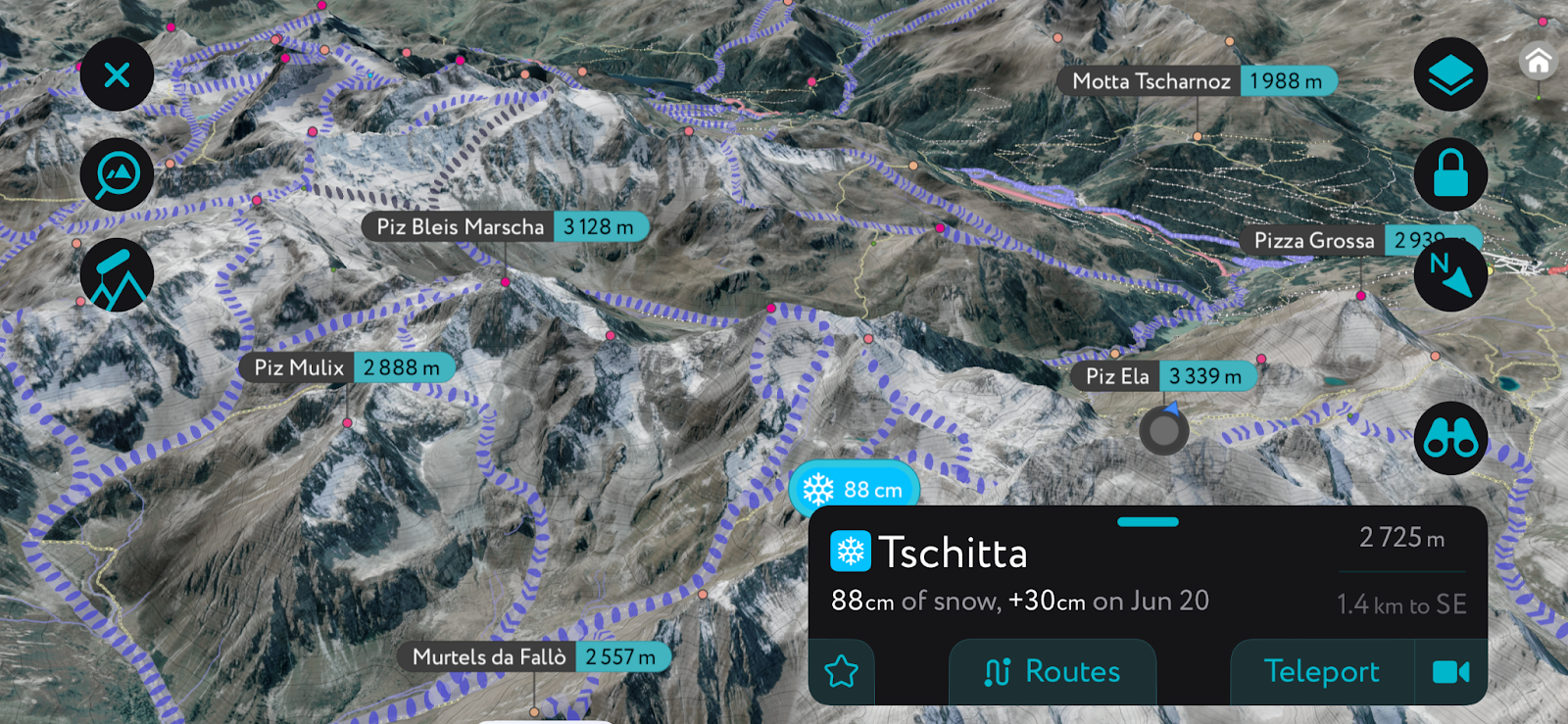
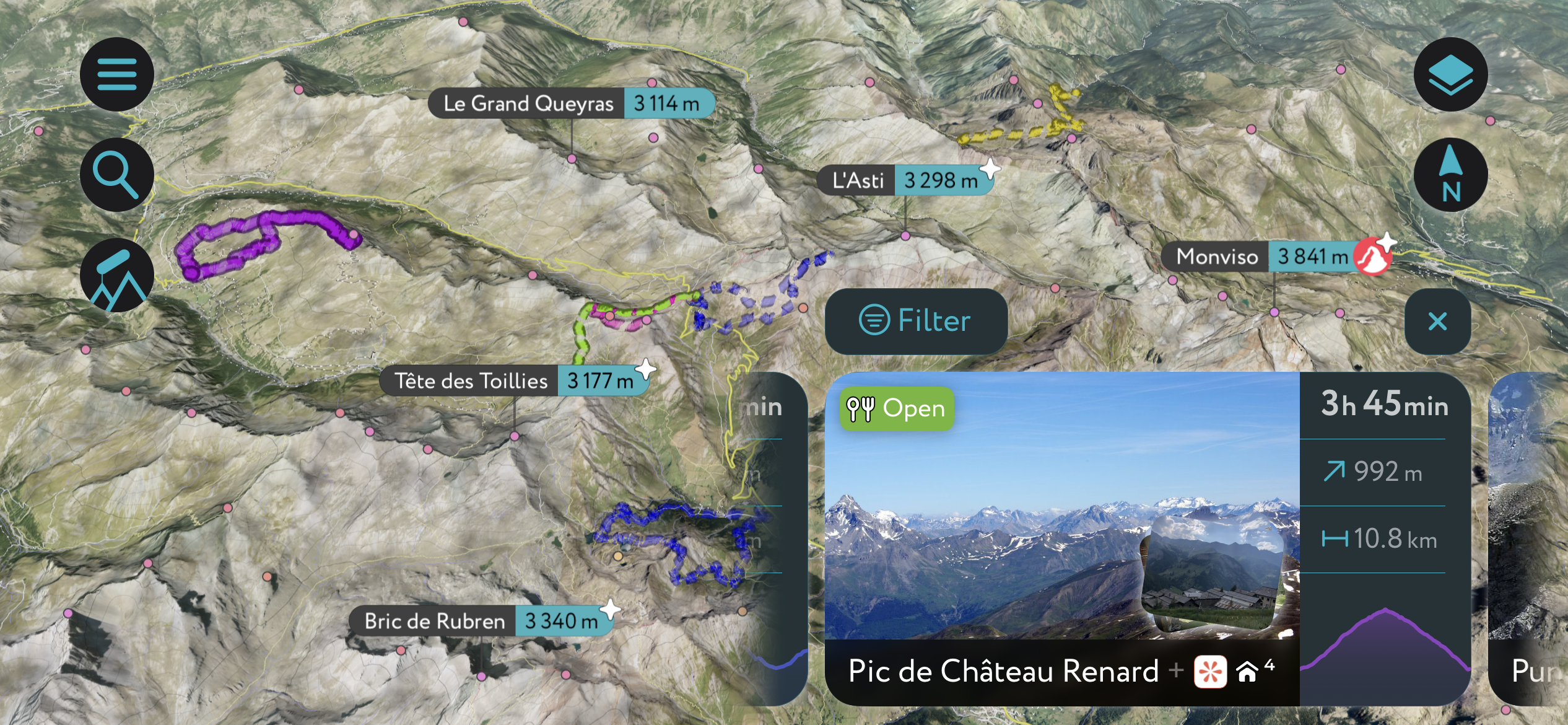
In addition to the visually stunning maps, PeakVisor's advantage is its variety of tools for the backcountry:








The highest peak in Parc naturel régional du Queyras is Pics de la Font Sancte, at 3,385 m.
Notable peaks in Parc naturel régional du Queyras include Pics de la Font Sancte, Pic de Rochebrune, Bric Froid / Punta Ramière, L'Asti / Monte Aiguillette and Pic des Heuvières.