
Scan the QR code and open PeakVisor on your phone
Great Fish River Nature Reserve has 2 named peaks. The highest is Watson’s Hill at 529 m. Other notable peaks include Committee Hill.
The Great Fish River Nature Reserve is a significant conservation area in the Eastern Cape province of South Africa. It includes 2 named mountains: Watson’s Hill (529 meters / 1,736 ft) and Watson's Peak (529 meters / 1,736 ft).
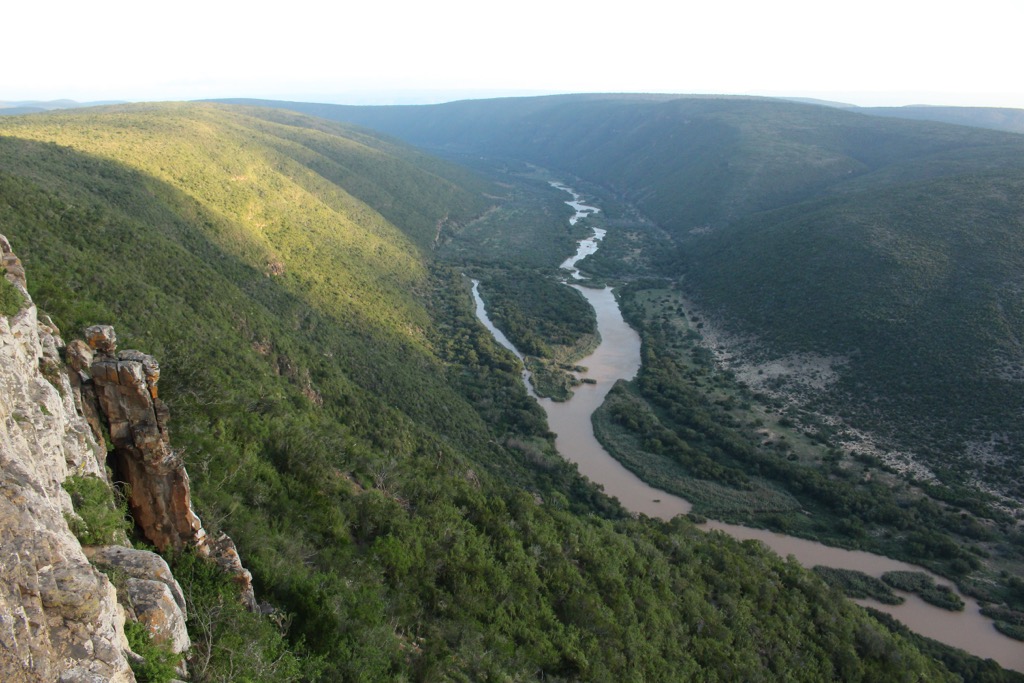
The Great Fish River Nature Reserve spans 45,000 ha (11,197 ac) and incorporates three historically significant reserves: Double Drift Nature Reserve, Andries Vosloo Kudu Reserve, and Sam Knott Nature Reserve. It is named after the Great Fish River, which flows through the reserve and is a critical water source for the region’s ecosystems. The landscape encompasses a variety of ecosystems, including grasslands, bushveld, and riverine habitats along the Great Fish River.
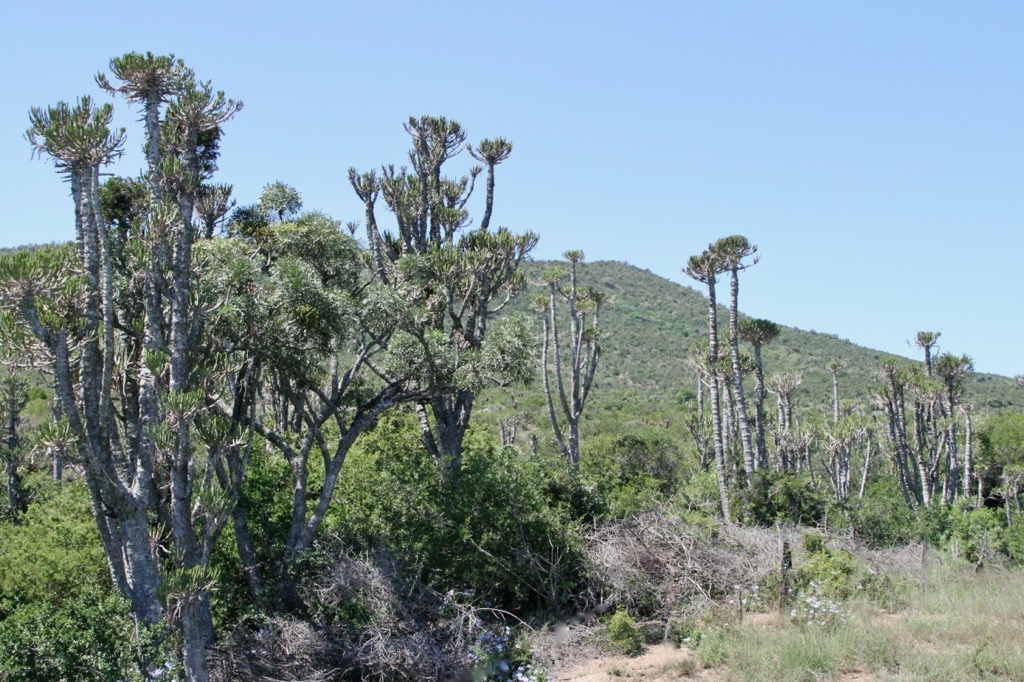
The reserve lies at the intersection of the thicket and grassland biomes. The thicket biome, which dominates much of the area, consists of dense, spiny vegetation, including species like spekboom, aloes, and acacias. The grassland biome, found in more open and elevated regions, supports grazing herbivores and a range of bird species. The varied topography and climate influence this blend of vegetation types.
The semi-arid climate brings summer rainfall, with winters being dry and cool, sometimes reaching 0°C (32°F), and summers peaking at 30°C (86°F). These conditions favor thicket vegetation, which is well adapted to withstand arid conditions and support a range of wildlife, including black rhinoceros, kudu, eland, and bushbuck. Jackals and caracals thrive in the dense vegetation and rocky outcrops, while the river and surrounding areas are home to waterfowl and raptors.
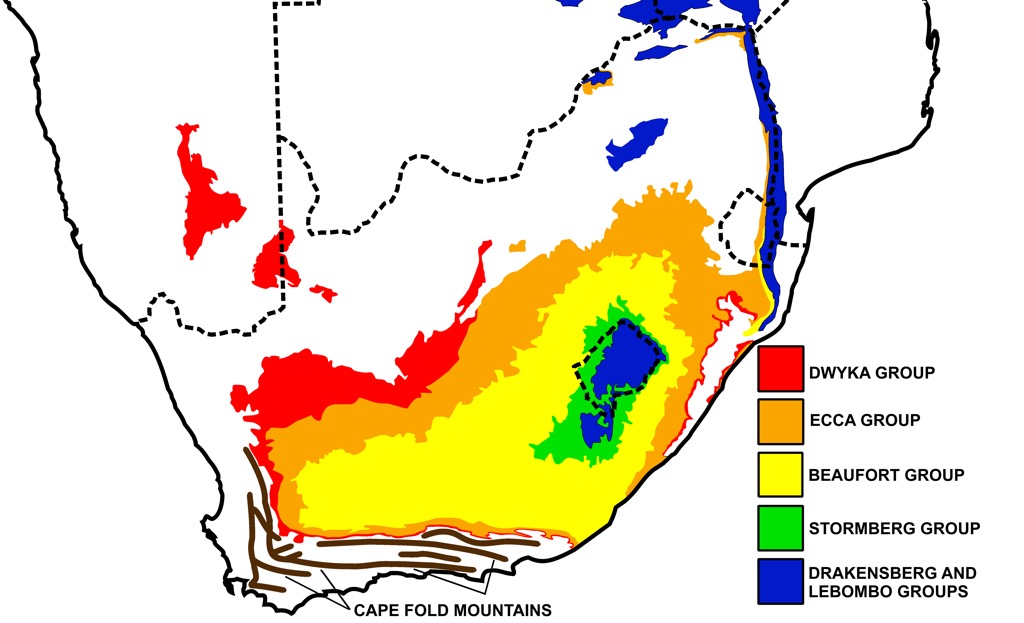
The Great Fish River Nature Reserve is shaped by the geology of the Karoo Supergroup, primarily composed of sedimentary rocks like sandstones and mudstones from the Beaufort Group, dating back 250 to 200 million years. These rocks, alongside dolerite dykes and sills formed during Gondwana's breakup 180 million years ago, create a rugged terrain of hills, valleys, and plains.
The Great Fish River has carved through these formations, exposing stratified layers and influencing soil types. Mudstones produce clay-rich soils, sandstones form sandy soils, and dolerite enriches the land with minerals, supporting varied vegetation. The area is also paleontologically significant, with the Beaufort Group yielding fossils of therapsids, early mammal-like reptiles.
Albany thicket biome forms part of the Great Fish River Nature Reserve. This area is characterized by dense, semi-arid vegetation with species like spekboom, acacia, and euphorbia. Riparian zones along the river are home to reeds, sedges, and willows.
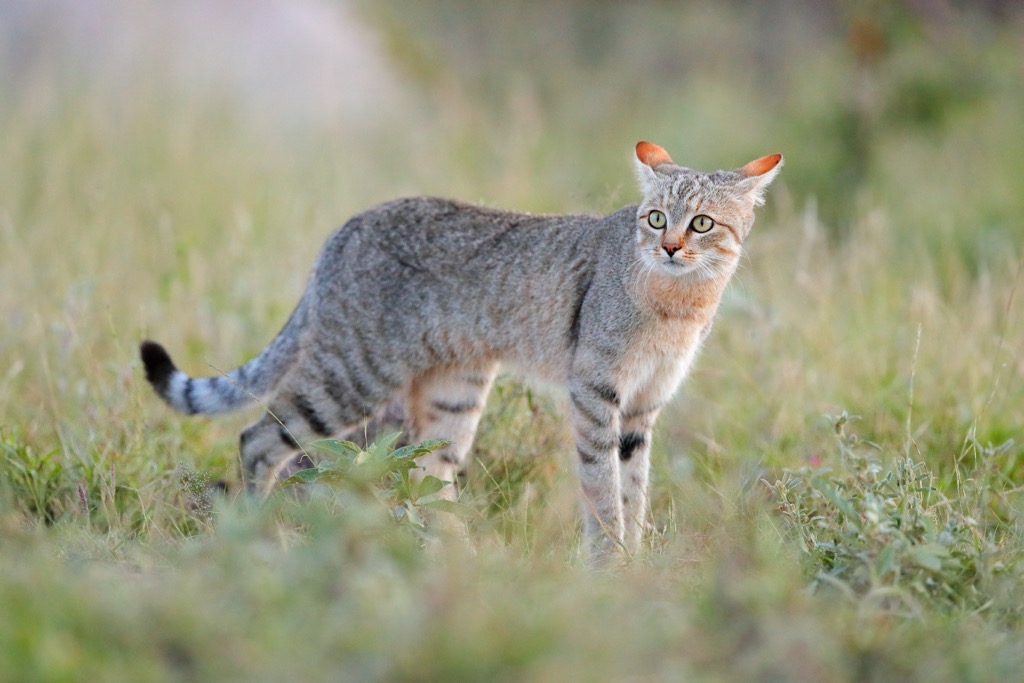
The reserve supports a variety of wildlife, including large herbivores such as kudu, eland, and black wildebeest, as well as predators like wildcats, caracals, and jackals. It also hosts over 200 bird species, including fish eagles and various reptiles and fish, such as yellowfish.
Key ecological processes include the hydrological cycle provided by the Great Fish River, which supports both terrestrial and aquatic life. Seasonal flooding nourishes soil and vegetation, while herbivory helps shape the ecosystem.
The original inhabitants of the Great Fish River Nature Reserve were the Khoi and San peoples. The Khoi were pastoralists, while the San were hunter-gatherers. Both groups relied on the Fish River as an essential water source and aligned their way of life with the local ecosystem.
The arrival of Dutch and British settlers in the 17th century disrupted these indigenous ways of life. Land dispossession, violence, and introduced diseases led to a significant decline in the Khoi and San populations. By the 19th century, the Fish River had become a contested boundary during frontier wars between the British and the Xhosa.
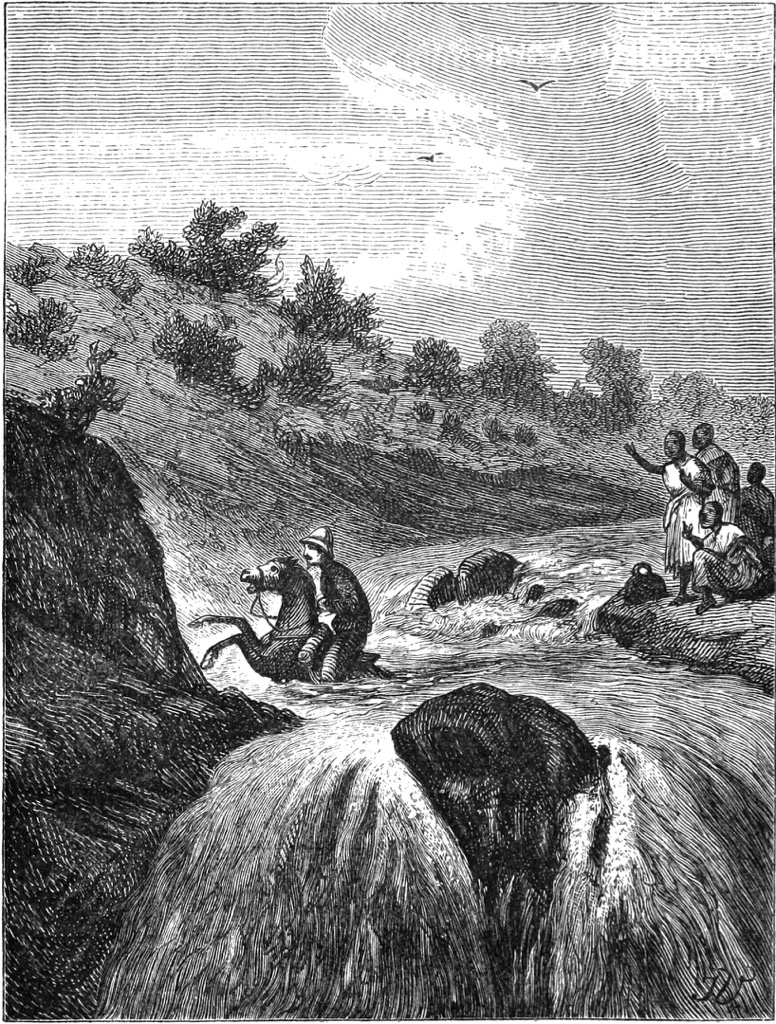
Under apartheid, racial segregation and forced removals further marginalized Black communities, including the Xhosa, confining them to reserves and denying them access to ancestral lands and resources. The Great Fish River region was heavily affected by these policies.
After the end of apartheid in the late 20th century, efforts to preserve South Africa's natural heritage led to the creation of the Great Fish River Nature Reserve in 1994. This initiative aimed to protect the area's biodiversity, including species like buffalo, zebra, and antelope.
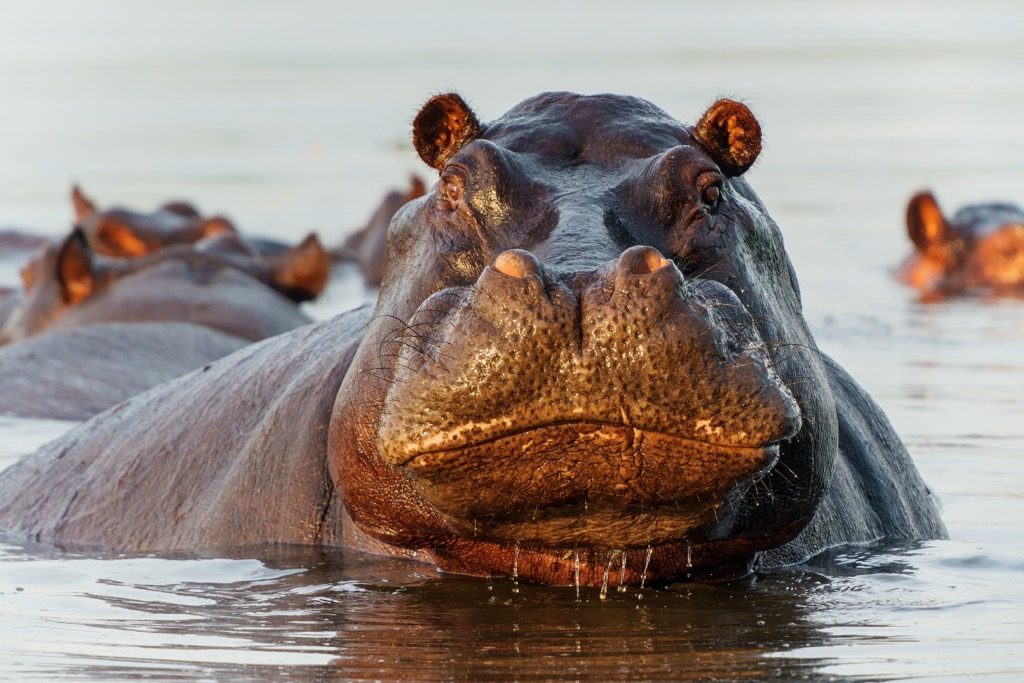
The Hippo Walk in the Double Drift Nature Reserve offers an adventurous experience. Starting at the Mvubu Chalets parking lot, the guided walk follows the eastern bank of the Great Fish River through rugged terrain. Hikers often spot hippos sunbathing or swimming and can observe other wildlife while learning about tracks and behaviors from expert guides. The reserve is also home to buffalo, rhino, and kudu and features historical sites like ancient rock art and frontier war forts.
The Adam Krantz Viewpoint in the Great Fish River Nature Reserve offers panoramic views of the Great Fish River gorge and its surrounding landscapes of Watson’s Hill and Committee Hill. Highlights include the dramatic horseshoe bend of the river, flowing 100 meters (328 ft) below the deck. Accessible via a network of hiking trails, the viewpoint suits both casual walkers and seasoned hikers. Along the way, visitors may encounter buffalo and diverse bird life thriving in the subtropical thicket and acacia Karoo veld.
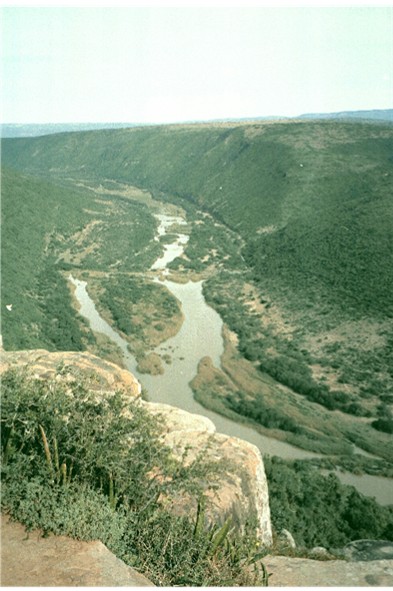
The Great Fish River Hiking Trail near Craddock offers a scenic 8 km (5 mi) route. It features subtropical thickets, semi-arid conditions, and dramatic gorges carved by the Great Fish River. Wildlife is drawn to the river, enhancing the views along the way. With a modest elevation gain of 148 meters (485 ft), the trail presents moderate difficulty. To avoid the area's intense heat, visit in cooler months.
The Diaz Trail is an 80 km (50 mi) hiking route that starts at Woody Cape in the Alexandria State Forest and ends at the Great Fish River. With moderate to difficult terrain, it is ideal for fit hikers. The trail features wild beaches, southern Africa's largest shifting dune fields, and historical shipwrecks. A key highlight is the Diaz Cross, placed by Portuguese explorer Bartholomew Diaz in 1488. Typically completed in five days, the trail offers varied landscapes and a stretch along the Bushman's River, Africa's longest tidal river.
East London, located in South Africa's Eastern Cape province, is a coastal city on the Indian Ocean, where the Buffalo River meets the sea. It is the country's only river port and an important industrial center, particularly for the automotive industry.
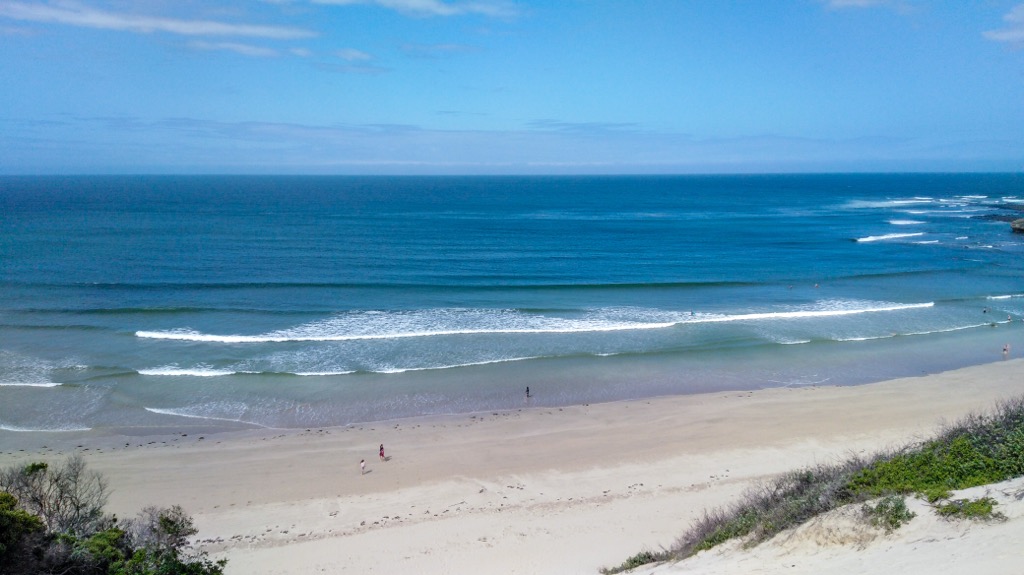
The city’s beaches are a major attraction. Nahoon Beach is renowned for its surfing conditions, while Gonubie Beach, a Blue Flag site, has tidal pools and a scenic boardwalk. Bonza Bay Beach is quieter and offers sand dunes and an estuary.
Located just 33 km (21 mi) from East London, the Inkwenkwezi Private Game Reserve provides guided safaris where visitors can spot animals like lions, elephants, and zebras. It also offers canoeing, quad biking, and walking safaris.
While a bit further afield, the Amathole Mountains provide hiking opportunities, such as the famous Amathole Trail.
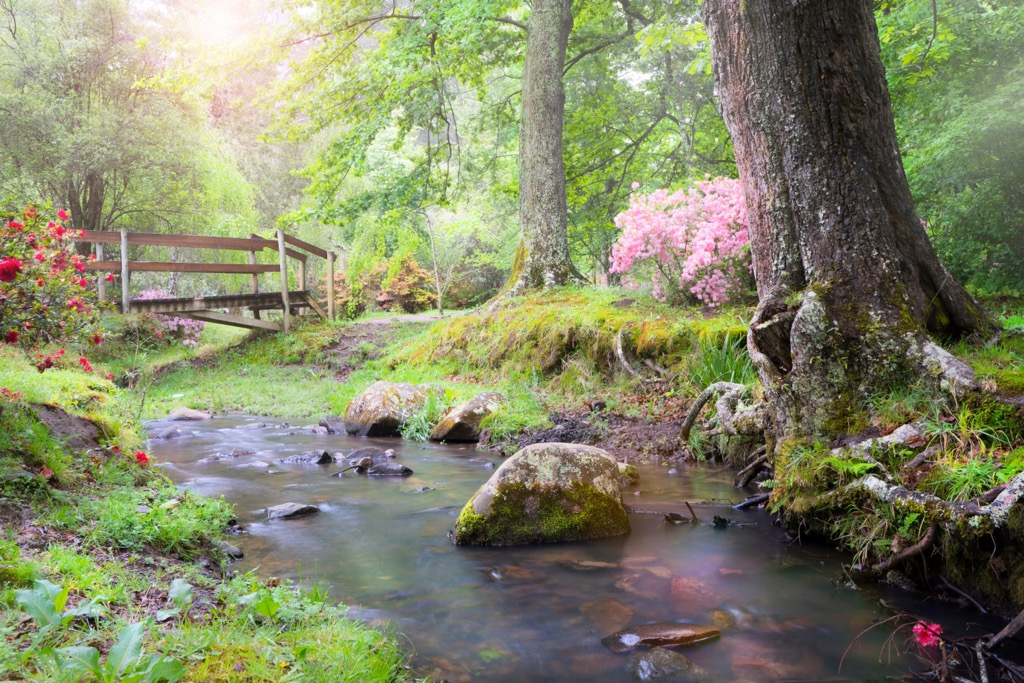
Port Elizabeth, now officially known as Gqeberha, is a coastal city in South Africa's Eastern Cape, part of the Nelson Mandela Bay Metro Municipality. Known for its maritime history and warm climate, the city encompasses some of the country’s most picturesque beaches.
Hobie Beach and Kings Beach are popular for swimming, sunbathing, and water sports, while Sardinia Bay offers pristine dunes and snorkeling opportunities.
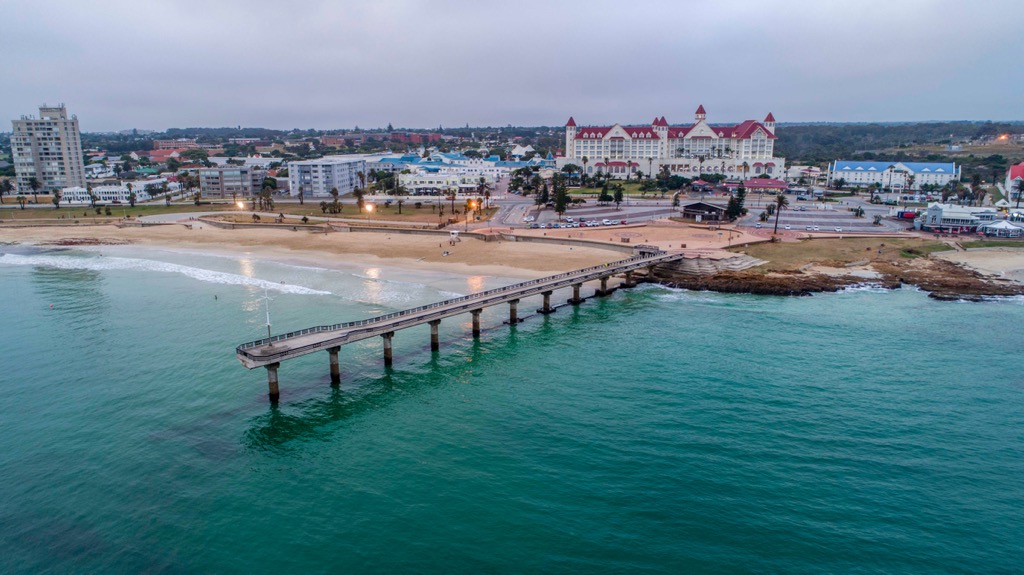
Algoa Bay’s marine-rich waters make it a prime spot for whale and dolphin watching. Dolphins are visible year-round, and Southern Right Whales pass through from June to November, with guided boat tours providing close-up experiences.
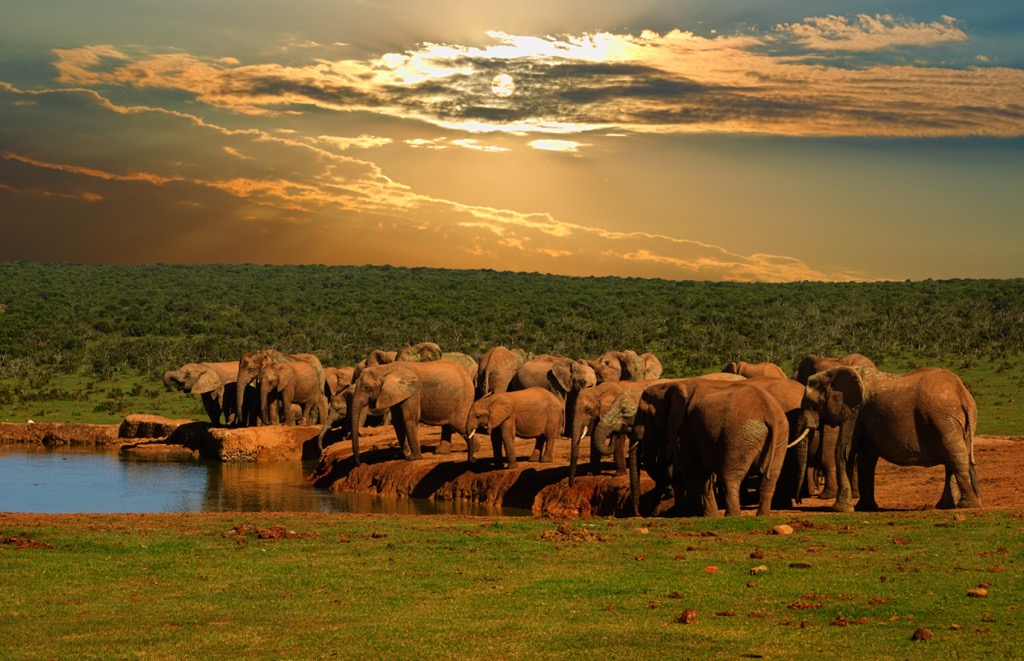
Just outside the city, Addo Elephant National Park attracts wildlife enthusiasts. The park hosts a significant elephant population and other Big Five species. Visitors can explore its diverse landscapes through self-drive safaris or guided tours.





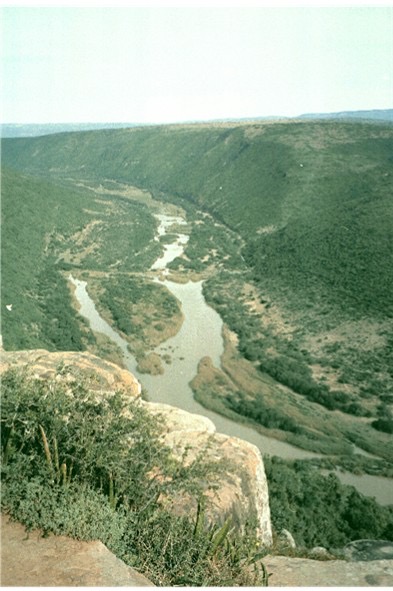



The highest peak in Great Fish River Nature Reserve is Watson’s Hill, at 529 m.
Notable peaks in Great Fish River Nature Reserve include Watson’s Hill and Committee Hill.



_(50180050543).jpg)


