Scan the QR code and open PeakVisor on your phone
Park prirode Lonjsko polje has 1 named peak. The highest is Grede at 124 m.
Between Croatia and Bosnia and Herzegovina lies a relatively unknown nature park. Park Prirode Lonjsko Polje sits in the lower elevations of Croatia and is one of Europe's most significant floodplains. The abundance of water also provides ample bird habitat. Park Prirode Lonjsko Polje offers plenty of recreation opportunities for people, including water sports and hiking. The highest and most prominent peak is Grede (124 m / 406 ft) - it also happens to be the only mountain within the park.
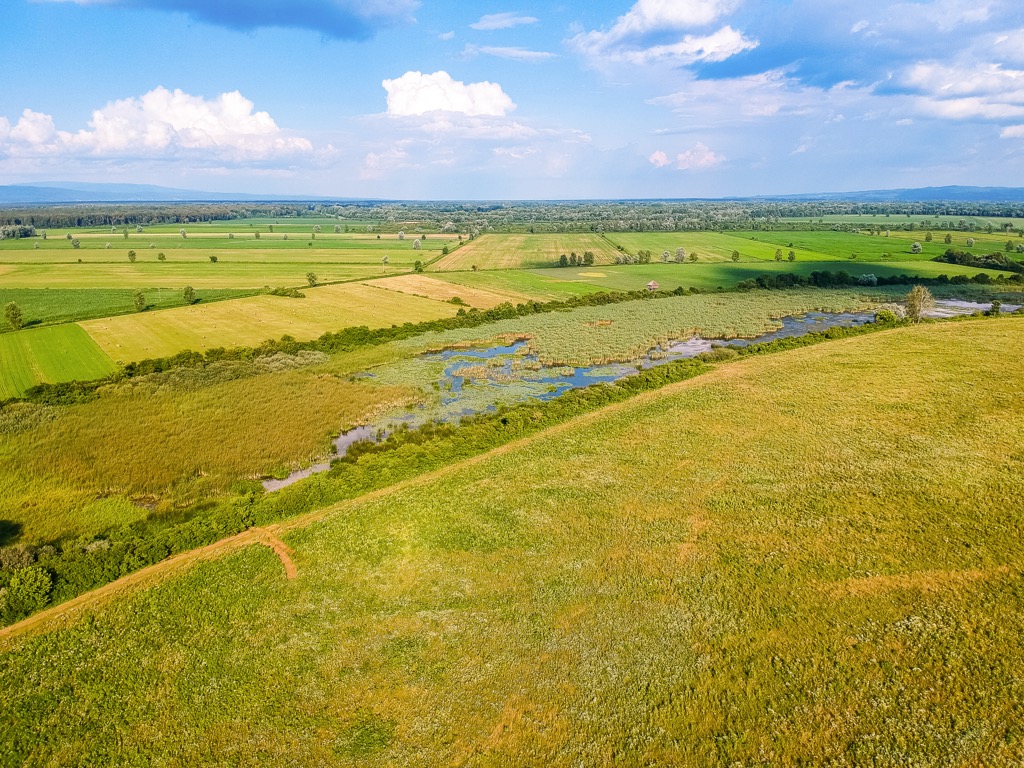
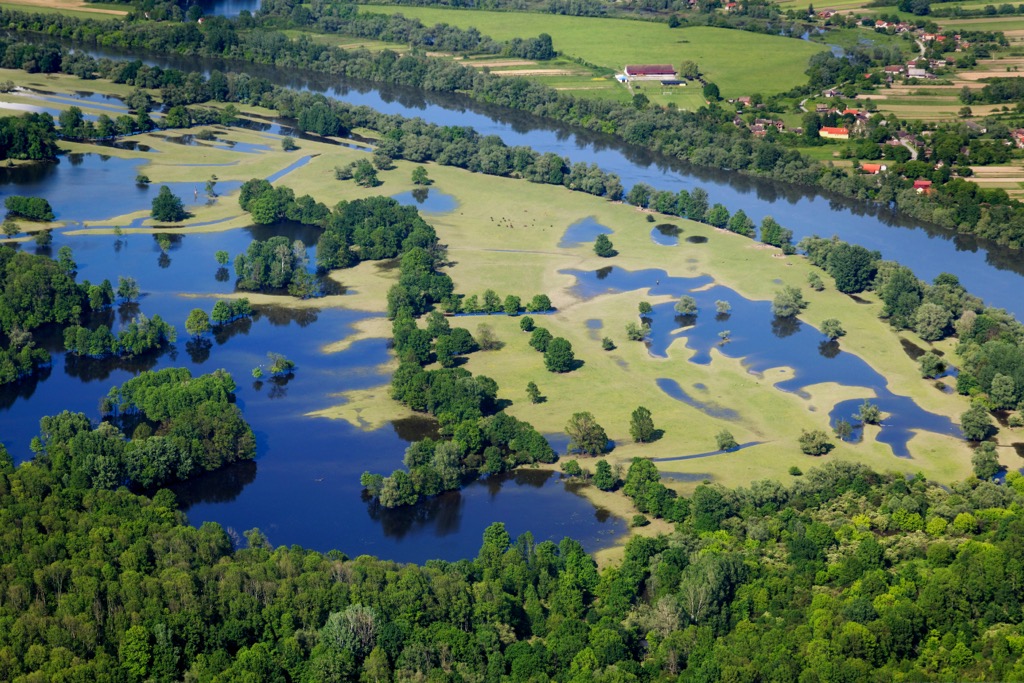
Lonjsko Polje Nature Park is a protected area in the middle course of the Sava River, about 75 km (47 mi) southeast of Zagreb. The Park covers an area of 50,650 ha (125,181 acres) and lies on the Sava River’s left bank, with traditional villages on both sides. There are 14 villages in the area with well-preserved traditional architecture in wood (oak) and the associated cultural landscape of central Posavina.
The park is a lowland floodplain with an altitude of 90 to 110 m (295 to 360 ft). It’s one of the most extensive and best-preserved natural floodplains in Europe. Every year, the Sava River and its tributaries flood into the park, creating a unique treasure of biological diversity. Nevertheless, despite being protected by the Ramsar Convention of February 3, 1993, Lonjsko Polje Nature Park is one of the most threatened wetlands in the world.
The most important natural element in Lonjsko Polje Nature Park is flooding, which can happen at any time of the year due to the unique configuration of the Sava River and its tributaries. Flooding is frequently severe and has created a variety of flooded area habitats, resulting in a diverse range of features, including different types of wet forests, grasslands, meadows, and marshlands. The park is home to lowland floodplain forests of sedge oak and field ash (covering almost 70% of its area), representing the Western Palearctic's most common broad-leaved forest complexes.
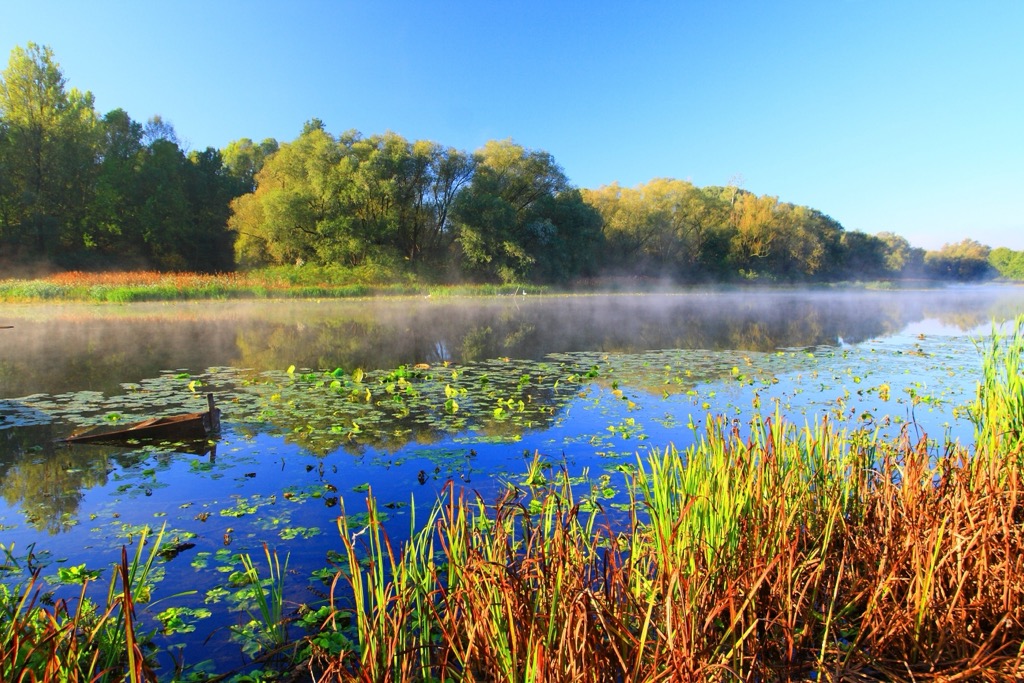
This area is the habitat for more than two-thirds of the total bird population in Croatia and is one of the most important spawning grounds for river fish in the Danube basin. The preservation of this landscape’s diversity is essential to maintaining its stability.
The natural flood areas of Lonjsko, Mokro, and Poganovo polje play a vital role in the flood defense system and, in the international context, represent one of the first examples in the world where flood defense uses natural flood surfaces. Natural retentions are essential in purifying water from watercourses and restoring underground water supplies. These steps are crucial in mitigating climate change's extreme hydrological and meteorological consequences.
The Sava River is the determining factor of life in this area, as soils deposited by the river shape the animal world. The geological structure is unique due to its location within the Sava Depression. As a retention surface, it plays a crucial role in the flood defense system of Middle Posavlje.
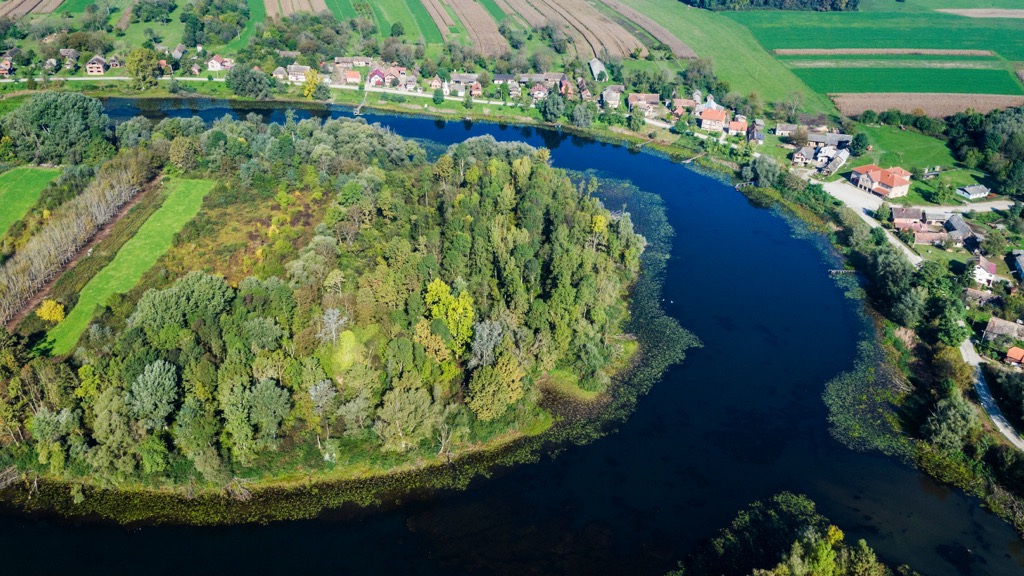
In the middle course, the Sava River transforms into a lowland river with a high water and sediment content. As the river flows, it deposits sediment on its bed or banks, forming meanders and river bends. The gradual deposition of sediment and fluctuations in water levels over centuries resulted in the formation of river branches, which eventually became isolated from the mother river and overgrown with woody vegetation.
Erosion occurs on one bank of the river bend while sediment deposition occurs on the other, leading to steep riverbanks that provide habitats for various bird species. The Sava River that runs through the Lonjsko Polje Nature Park has preserved riverbanks, allowing for natural erosion and sedimentation processes that create habitats for diverse animal and plant species.
The Lonjsko Polje Nature Park features six main habitat types: surface terrestrial waters and wetlands, shrubs, forests, cultivated non-forest, lawns, and built/industrial. Some habitats are nationally protected, such as forest habitats, amphibian habitats, natural eutrophic waters, lowland meadows, and hydrophilic edges of high greens along rivers.
The Lonjsko Polje Nature Park is home to Europe's largest complexes of natural and preserved floodplain forests, covering 200,000 ha (494,210 ar) in the Posavina region. These forests have immense biological and landscape value, and specific species have adapted to the floods that define the habitats and landscapes of the area.
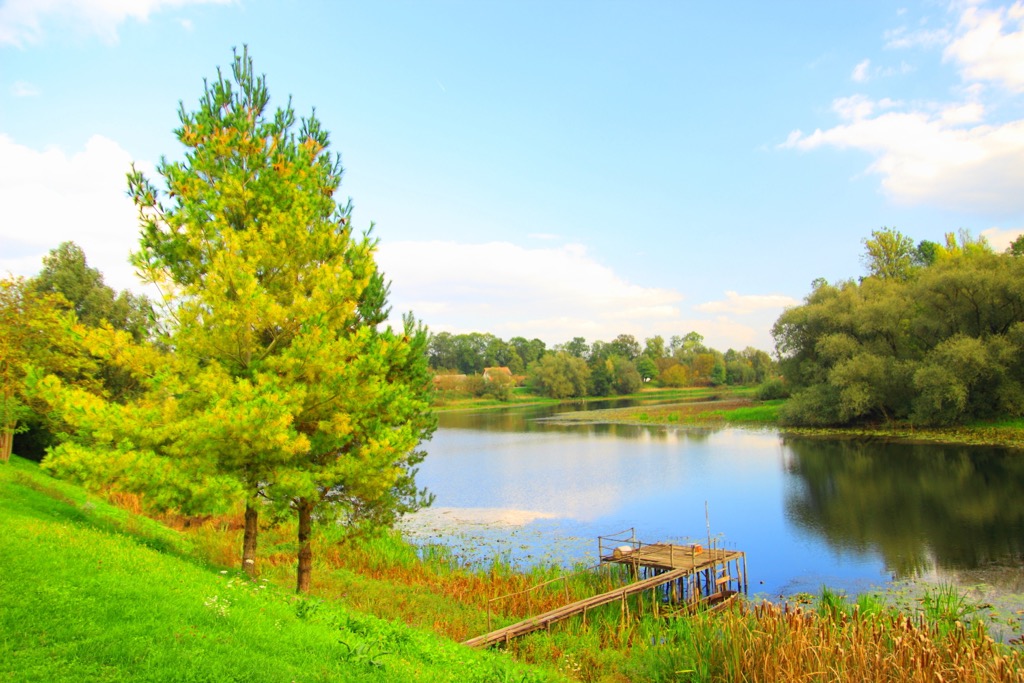
The Slavonian oak is a notable species in the park, renowned for its high-quality timber and valued in countries like Italy and France. Oak and narrow-leaved ash floodplain forests cover almost 70% of the park. The other 30% is floodplain grasslands. These play a crucial role in flood defense as retention areas and conserving traditional grazing systems and Croatian breeds.
Regarding fauna, Lonjsko Polje Nature Park boasts an impressive bird diversity, with over 250 species (including 134 nesting birds) recorded within its boundaries. This biodiversity has earned it a spot on the Important Bird Areas (IBA) list since 1989. The area of Lonjsko Polje Nature Park was home to Croatia's first ornithological reserve, established back in 1963. Some species found in this reserve include the grey heron, purple heron, little egret, squacco heron, black-crowned night heron, little bittern, and ferruginous duck. The park remains an important site for birdwatching enthusiasts and conservationists.
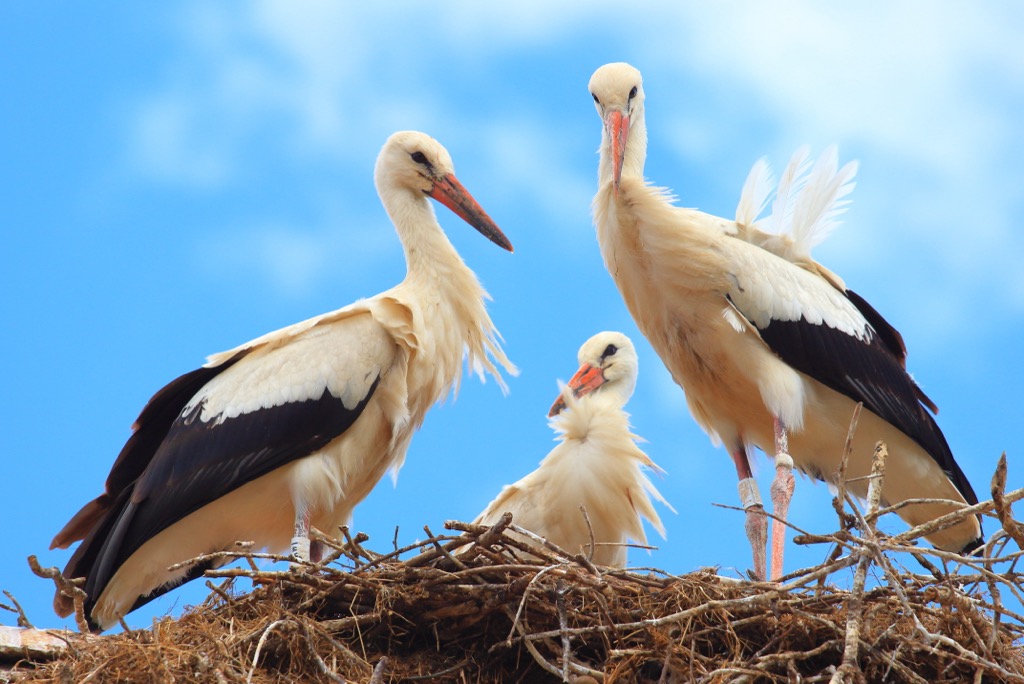
Storks, one of the more famous migratory birds in Europe, are a popular attraction for visitors to the park due in part to their intriguing adaptations to coexist with humans. For example, they don’t hesitate to build their nests in human settlements.
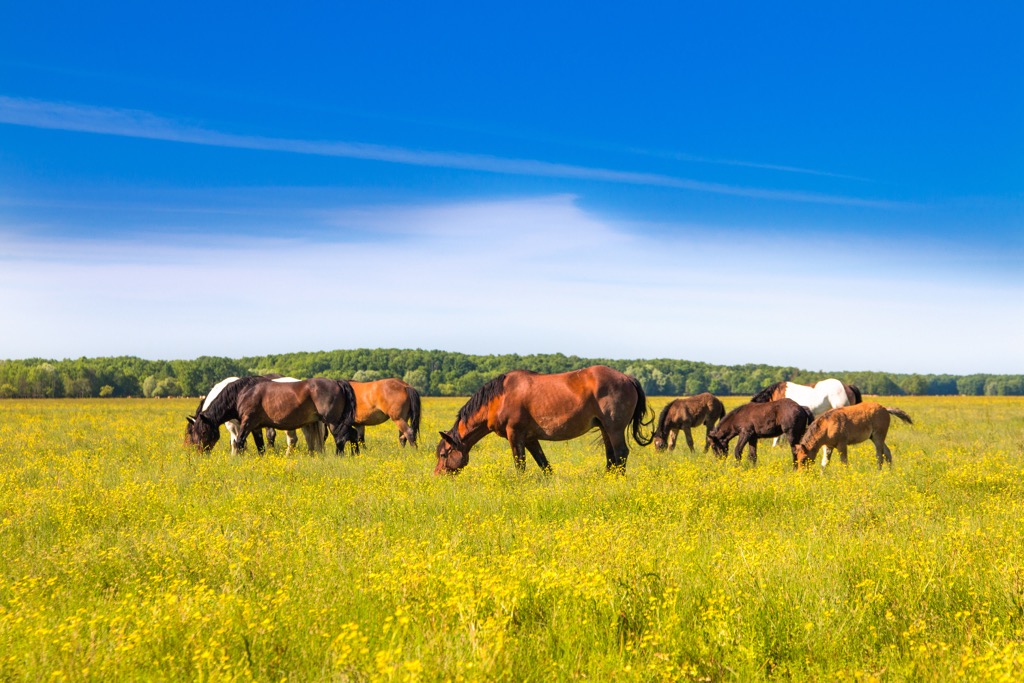
In addition to natural wildlife habitat, the local human population has preserved the traditional way of life, including cattle, horses, and pigs grazing. Preservation of the unique traditional architecture of wooden houses makes this area a striking example of natural, landscape, and cultural heritage. Wet grasslands become one of the last areas in Europe where traditional grazing has been preserved when the flood waters recede into the Sava River bed. Local cattle graze on the park's 12,000 ha (29,652 ar) of pasture.
The identity of this area is also preserved by indigenous livestock species, farm animals that have been bred over centuries to survive in the park’s harsh environment. Among the original breeds in the park are the Croatian Posavac hound, the Croatian cold-blooded horse, the Turopolje pig, the Slavonian-Srijem Podolian cattle, and the Posavina goose. Their sturdy body constitution and social behavior are crucial for maintaining grazing on large communal pastures.
The cultural landscape of Lonjsko Polje Nature Park, created by centuries of harmonious coexistence between man and nature, represents the fundamental cultural value of the area. It is just as worthwhile to visit the park for its human cultural importance as for its natural value. The park is a living museum; it depicts a European river valley community as it would have been 150 years ago.
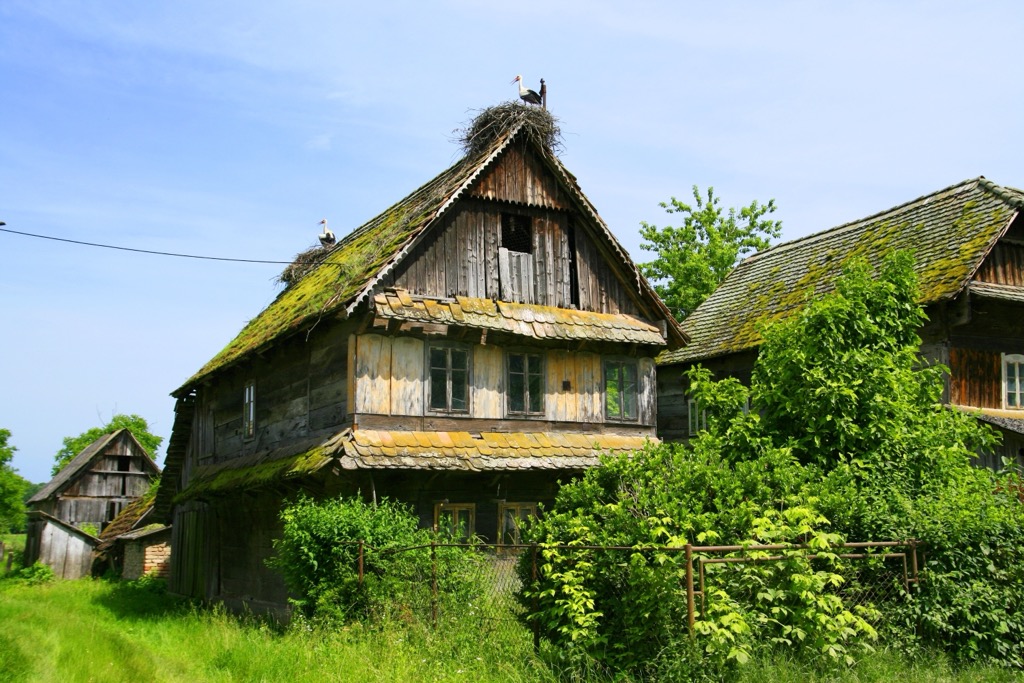
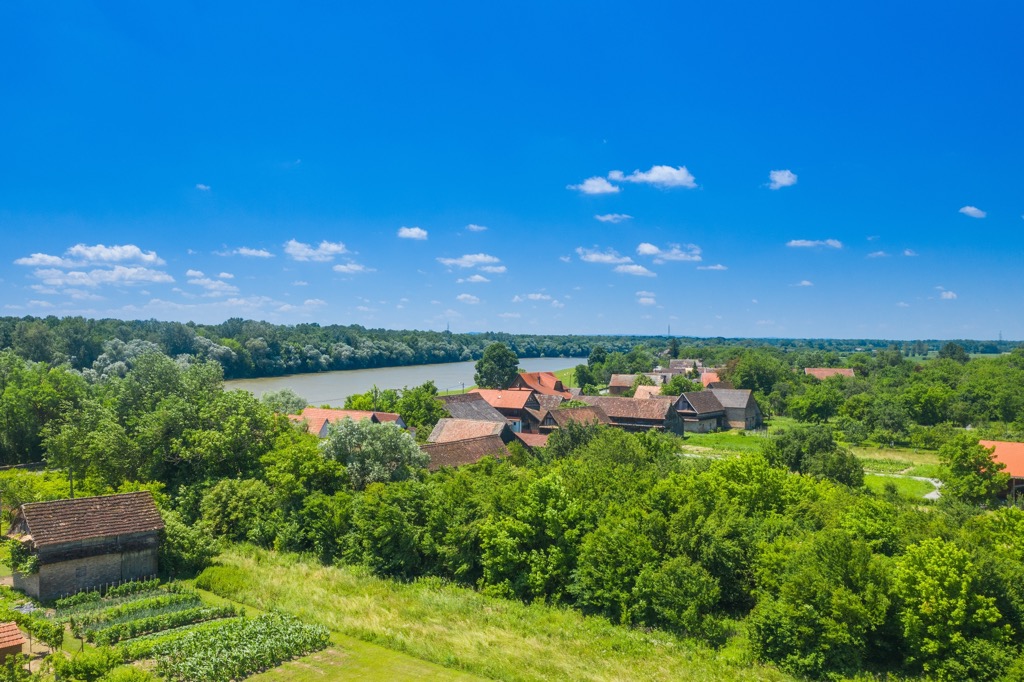
Traditional architecture in Lonjsko Polje, including the globally renowned two-story oak houses, reflects man's adaptation to living with floods (and access to limitless amounts of wood). The village of Krapje is the only Croatian village with the status of an architectural heritage village, showcasing unique traditional architecture in a picturesque setting.
Lonjsko Polje's architectural heritage exemplifies a harmonious relationship between humans and the natural environment. Local builders' skillful use of traditional oak construction seamlessly integrated their homes into the surrounding landscape. In older preserved houses, timber construction involved splitting or hewing, while newer ones frequently utilized sowing methods. Thick wooden walls, ceilings, and rooves make for sturdy and functional homes.
Although some single-story houses exist, two-story houses represent centuries of adaptation and development of construction techniques suited for life in a flood-prone region. Villages along the Sava River are arranged linearly, with houses positioned in rows that parallel the river's course.
The hajduci, perceived as outlaws by the noble families, were seen as heroes by poor villagers exhausted by wars and poverty during the Ottoman Empire. Led by their outlaw code, they only robbed the rich, sharing their loot with the locals.
Prirode Lonjsko Polje is a fabulous place to explore on foot, as long as it’s not too flooded during your visit. Here are some of the most popular hikes:
The Border Trail is an adaptation of the former Military Frontier - the border between the Austro-Hungarian and Ottoman empires. Two replicas of historical wooden guardhouses (čardakas) were built next to this promenade as observation posts, reminding visitors of the violent history and the stark life of the border guards.
The hike takes about three hours to complete. At the first stop is a gate where you can see the Turopolje pig, Slavonian Podolian cattle (Podolac), and Spoonbill colony in Krapje Đol Reserve. Due to the reserve's marshy terrain and lush vegetation, a mixed colony of wetland birds nests there.
The Posavac Trail is a pleasant two-hour walk. We recommend starting this educational loop trail from the Čigoč Visitor Center, where you can get the necessary advice on where to go.
The path has five educational boards and is 4.3 km (2.6 mi) long. The boards discuss the characteristics of the floodplain and the traditional livestock grazing methods on the pasture. There is also a birdwatching observation post and domestic animals on free range.
The Tenina Trail symbolically remembers the forester and Croatian writer Josip Kozarac, who spent ten years as the first manager of the Lipovljani Forestry from 1885 to 1895. The trail is an easy 2.5 km (1.5 mi) loop featuring 16 educational panels. The floodplain forest is a treasure trove of biological diversity, making the Tenina Trail an unforgettable experience. Unfortunately, you can’t venture solo - this trail requires a nature park guide. However, it adds to the educational value as the guides are ripe with information.
These are the most significant cities near Park Prirode Lonjsko Polje:
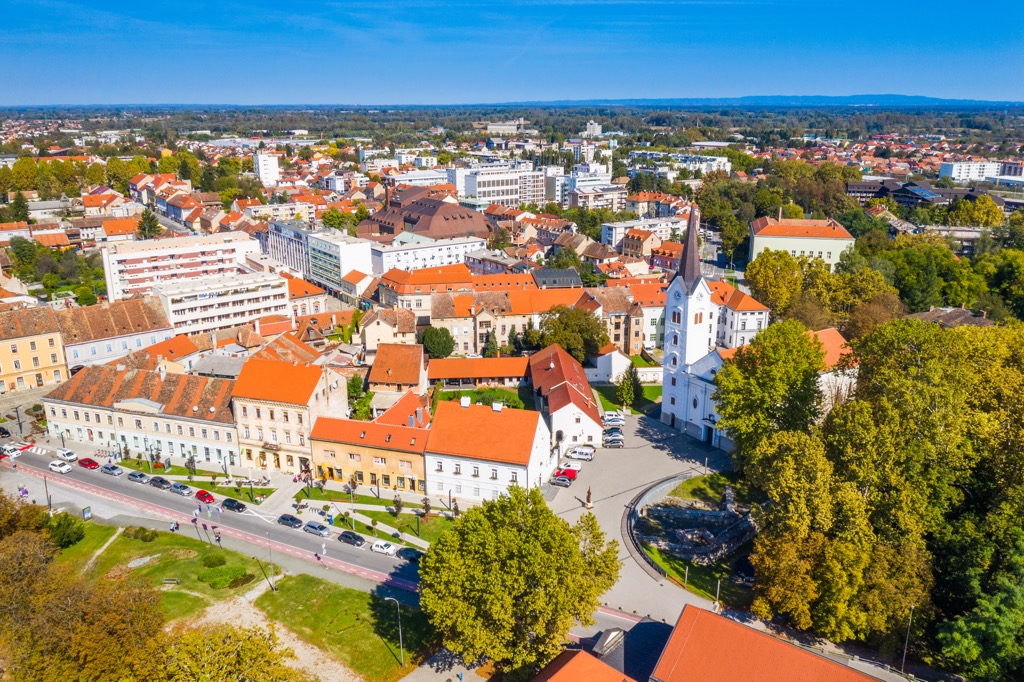
Sisak is a central Croatian city near the confluence of the Kupa, Sava, and Odra rivers. It is the administrative center of Sisak-Moslavina County and has approximately 35,000 inhabitants.
Sisak is known for its rich history, which dates back to ancient times. During the Croatian War of Independence, Sisak sustained heavy damage, but it has since been rebuilt and is now a thriving city. There are many accommodation options in Sisak, including hotels, guesthouses, apartments, and hostels. Some of the most popular hotels in Sisak include Hotel Panonija, Hotel Sisak, and Hotel Tina.
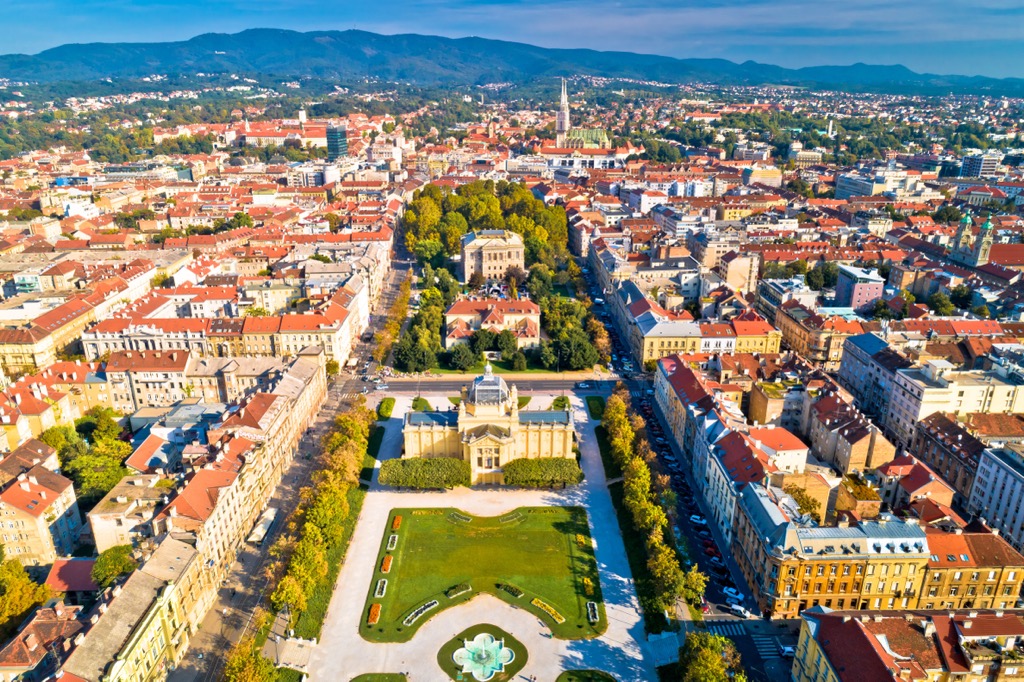
Zagreb is the capital of Croatia, in the northwestern part of the country. Its population is around 800,000 inhabitants, making it the largest city in Croatia. The city's historic center is divided into the Upper Town (Gornji Grad) and the Lower Town (Donji Grad).
Zagreb offers various accommodation options, including hotels, hostels, guesthouses, and apartments. There are options to fit every budget, from luxury hotels to budget-friendly hostels. Some of the most popular areas for accommodation in Zagreb include the city center, the trendy neighborhood of Tkalciceva, and the quieter residential areas of Maksimir and Jarun. Overall, Zagreb is a vibrant and bustling city, offering visitors a mix of culture, history, and modern amenities.
Prijedor is in the northwestern part of Bosnia and Herzegovina, near the border with Croatia. It is the administrative center of the Prijedor Municipality and part of the Republika Srpska region. Prijedor has approximately 90,000 inhabitants and is known for its rich history and cultural heritage, as seen in the museums, galleries, and historical landmarks. Don’t miss the Kozara National Park, a city park with a picturesque lake, and the city's historic center.









The highest peak in Park prirode Lonjsko polje is Grede, at 124 m.
Notable peaks in Park prirode Lonjsko polje include Grede.