Scan the QR code and open PeakVisor on your phone
Bijambare Protected Landscape has 2 named peaks. The highest is Kopitovac at 1,021 m. Other notable peaks include Bijambare.
Bijambare Protected Landscape, located in the heart of Bosnia and Herzegovina, is known for its karst landscape and extensive cave systems. Situated about 40 kilometers northeast of Sarajevo, the park features dense forests, rolling meadows, and limestone formations. The centerpiece of Bijambare is its cave complex, particularly the Main Bijambare Cave, with stunning stalactites, stalagmites, and underground halls that have formed over millions of years.
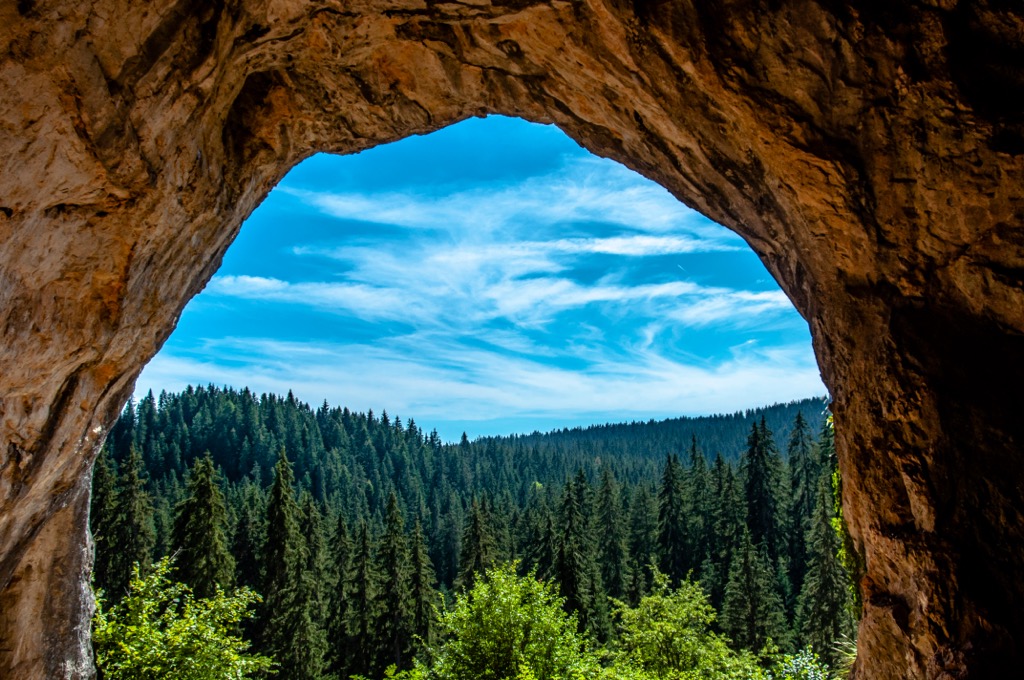
The Bijambare area, featuring the Bijambare caves, is situated on the northeastern slopes of the Canton of Sarajevo near the Nišići plateau. The protected area spans 497 ha (1,288 ar), divided into three zones.
The eight Bijambare caves, located between Nišići and Krivajevići villages in the municipality of Ilijaš, Bosnia and Herzegovina, are conveniently close to the Sarajevo-Tuzla road.
The 2003 establishment of the Bijambare Protected Landscape aims to preserve and enhance the area's physical, geographical, and biological diversity. Bijambare appeals to a wide range of interests, including speleology, nature walks, cycling, horseback riding, hiking, mountaineering, fishing, hunting, and foraging herbs and mushrooms.
Visitors can explore during a ride on the electric train, access hiking and biking trails, rent bikes, and relax in a mountain hut with a traditional Bosnian coffee. Periodically, the area hosts fairs featuring locally produced organic food and handicrafts. There’s also a Bijambare educational center.
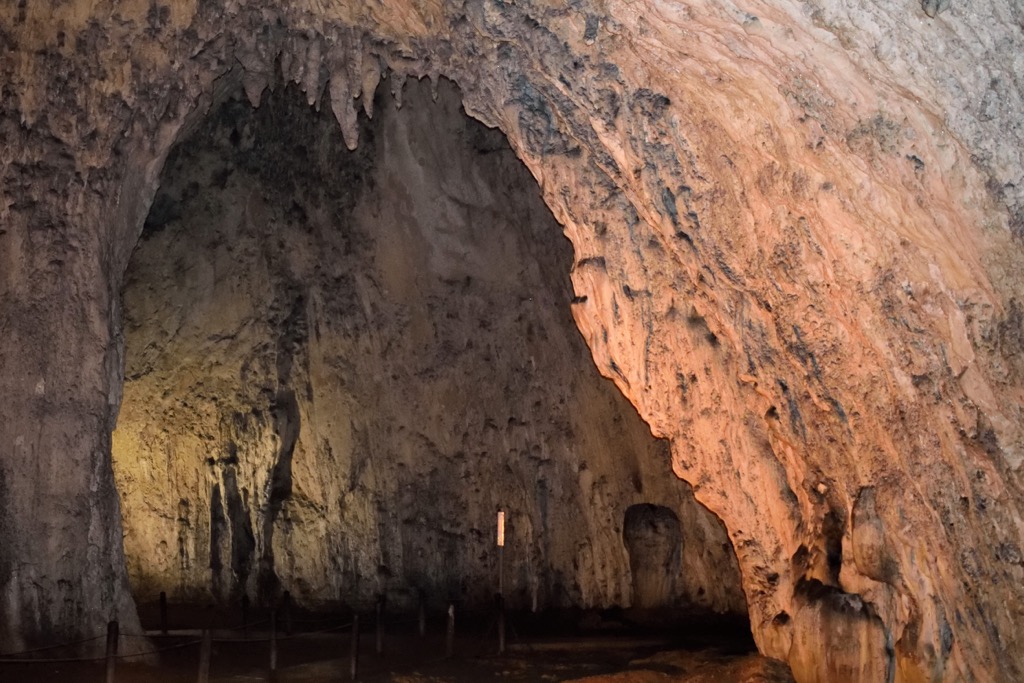
Bijambare boasts beautiful meadows crossed by two streams forming small underground lakes in karstified limestone rock. The rolling mountain meadows extend west and north, while dense forests cover the south and east.
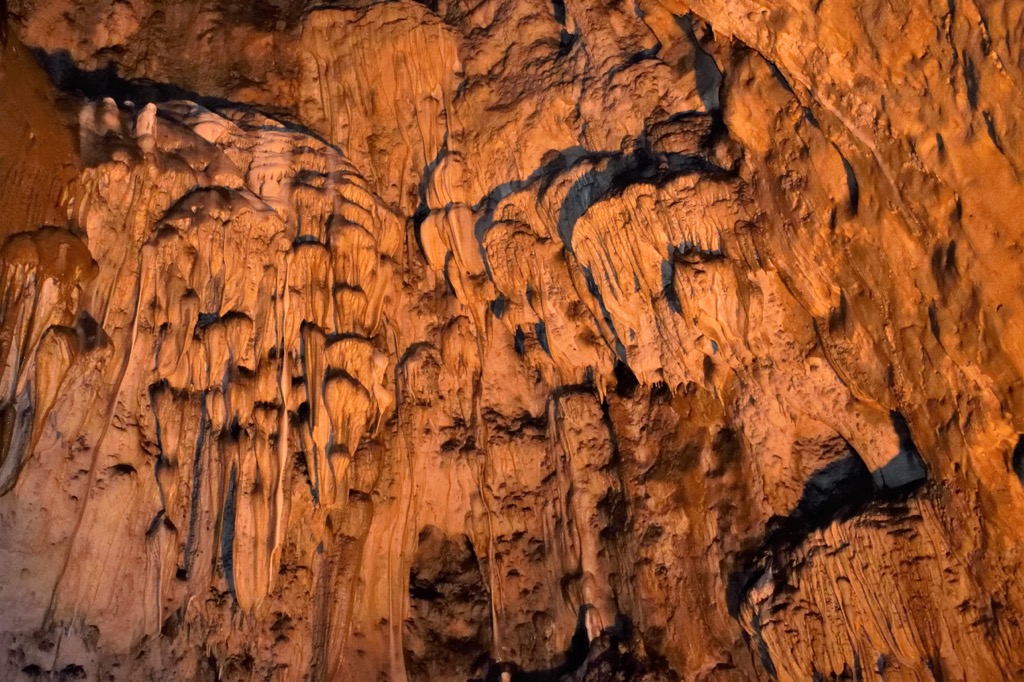
Like all karst formations, Bijambare is the product of water running through porous limestone over millions of years. Water gradually erodes the rock, forming caves, sinkholes, and other karst formations.
Among the eight caves, only the Main (Middle) Cave is open to the public for entrance and guided tours. The "Concert Hall," a massive expanse within the depths of the cavern, is particularly noteworthy for its acoustics.
Some of the caves’ morphology allows snow to accumulate through the ceiling opening, protected from sunlight by trees and stone walls. This, along with cold air retention, results in persistent snow and ice buildup, sometimes lasting into late spring or early summer.
The area is distinguished by a significant biological diversity, hosting 133 identified unique living communities on such a small scale. These communities encompass over 800 species of plants, including a rich assortment of medicinal, edible, and aromatic flora.
The fauna features mammals, birds, reptiles, amphibians, mollusks, and insects. Mammals include roe deer, wild boar, vole, hare, and numerous species of bats, while avian species include warbler, tit, ducks, pheasant, and others.
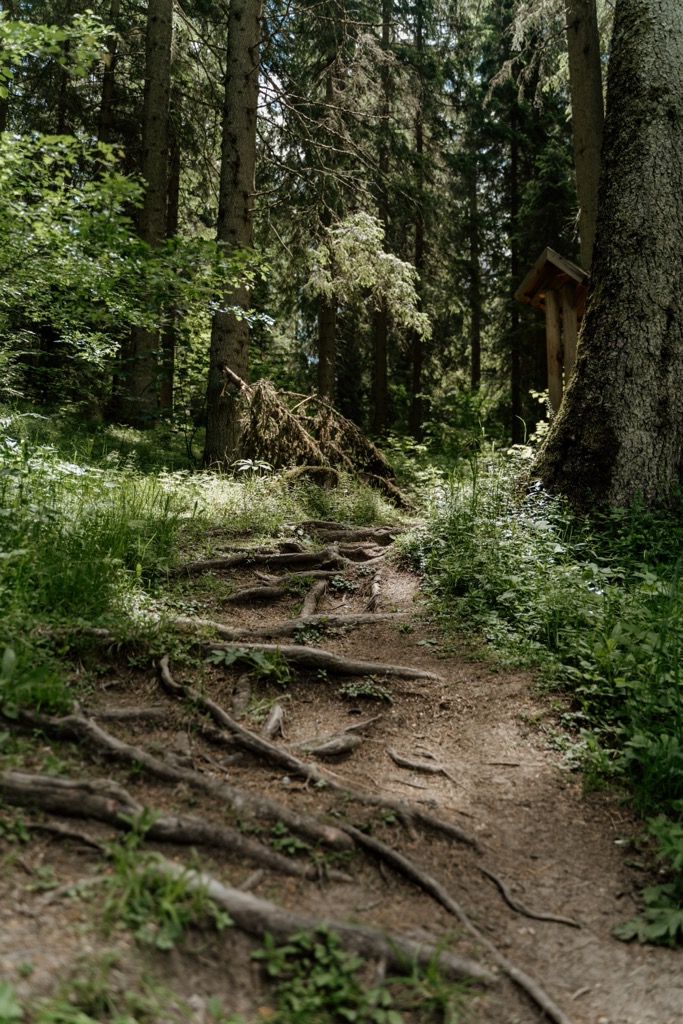
One ecological community stands out: the peatland ecosystem visible inside this park. While there are various types and forms of peatlands, those covered with Sphagnum mosses are particularly interesting from a biological perspective.
These mosses can absorb large amounts of water, making them valuable in regulating droughts and floods. Although peatlands may appear as ordinary marshes for casual visitors, for biologists, they represent biodiversity repositories and a unique opportunity to encounter numerous species not found elsewhere. Peatlands provide a glimpse into the past when the climate in these areas was much colder, just after the last ice age.
Peatlands in Bosnia and Herzegovina now cover minimal, fragmented areas; one of those remaining areas is Bijambare.
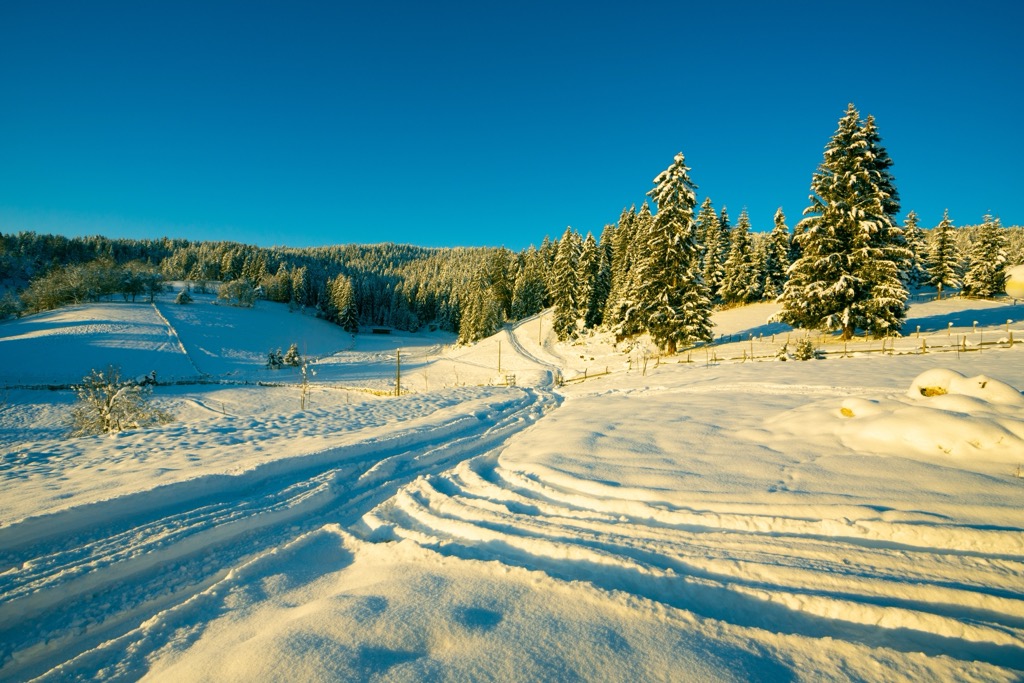
In Gornja Cave, evidence of human presence from the Stone Age, including tools and weapons, has been discovered and is now exhibited at the National Museum in Sarajevo.
Discoveries from the layer deposited during the last ice age show that the cave was used by people belonging to the Epigravettian culture. The range of stone tools includes knives, scrapers, gravers, awls, points, and retouched blades, all crafted from fine-grained rocks such as jasper, chalcedony, and hornstone.
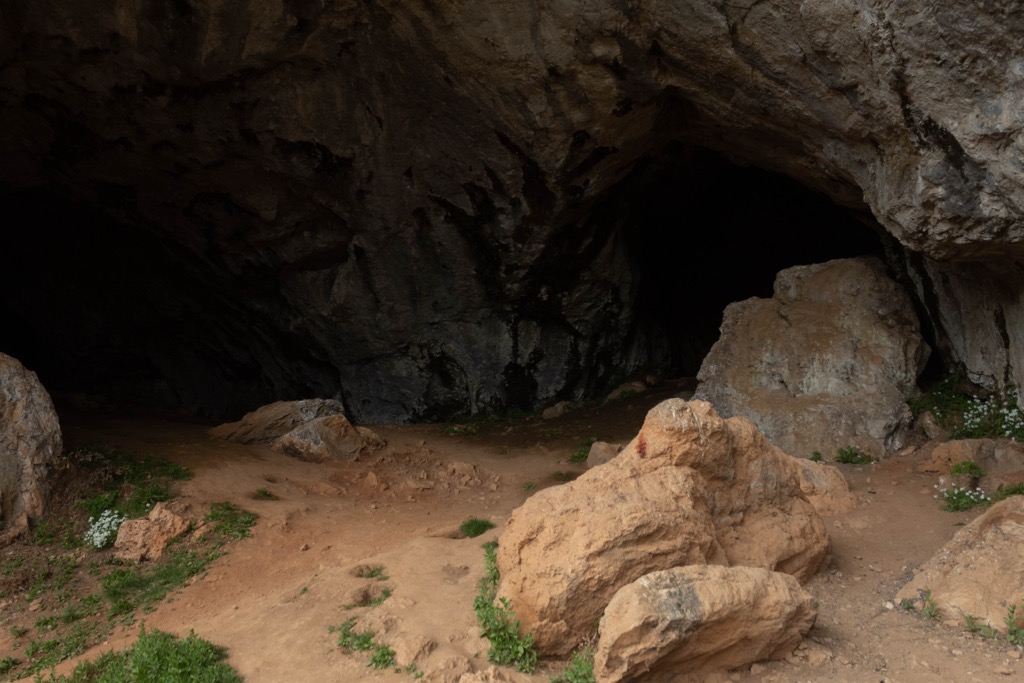
In the Bijambare's center is a medieval necropolis (burial ground) of stećaks, which are regional medieval tombstones. Originally relocated from the Donji Čevljanovići site to Dolovi in 1959, one elaborately decorated stećak was later transferred to the National Museum in Sarajevo. In 2013, the stećci from Dolovi were again relocated and exhibited in the Bijambare area, with 31 out of the total 39 stećci on display.
Adjacent to the cave is Bradić Brook, with a lake and a mill, as well as Bjelila Brook, cutting through Bijambare’s forests and clearings.

Upon arrival, a flat and scenic 2 km (1.2 mi) hike from the parking lot introduces visitors to the caves. Stop at the information center, where you can decide whether to go to the Lower, Middle, or Upper Bijambare cave. Only the middle cave is open for tours.
Tours take approximately 2 hours. The hike caters to all ages; it’s an easy and accessible trail particularly well-suited for children.
Head from Bijambare Protected Landscape and take a left at the Obelisk road sign. Drive for 300 m (984 ft) on the macadam road until reaching the trailhead.
From there, follow the ascending path for 1 km (0.6 mi), leading you to the Bosnian Obelisk. It’s is a historical monument near the village of Bakići, close to Olovo. Despite its historical significance, the Bosnian Obelisk remains relatively obscure, with limited knowledge about its existence. Historical records attribute the construction of this obelisk to Tvrtko I Kotromanić, the first Bosnian king, in the fourteenth century. A detour to the Sv. Roka church is also an option along the way.
This gentle and scenic footpath connects the Ponijerka mountain hut with Bijambare. Commencing at the mountain hut at Bijambare, the trail follows picturesque villages.
Hikers will pass the Obelisk, the monumental Veilike nišane, the sanctuaries of St. Roko and Our Lady of Olovo, culminating in the awe-inspiring Ponijerka Cave and the climbing area at Memagića Stijena. Spanning a distance of 23 km (14 mi), this tour de force of the Bijambare region takes approximately 7 hours and ascends 1,000 m (3,280 ft) of elevation along the way.
Olovo is a picturesque small town in the heart of Bosnia and Herzegovina. Home to around 10,000 residents, Olovo is known for its mining history and scenic rivers. Nowadays, visitors enjoy spas, enchanted forests, as well as Bioštica and Krivaja Rivers. Like Bijambare, the area is full of hiking trails.
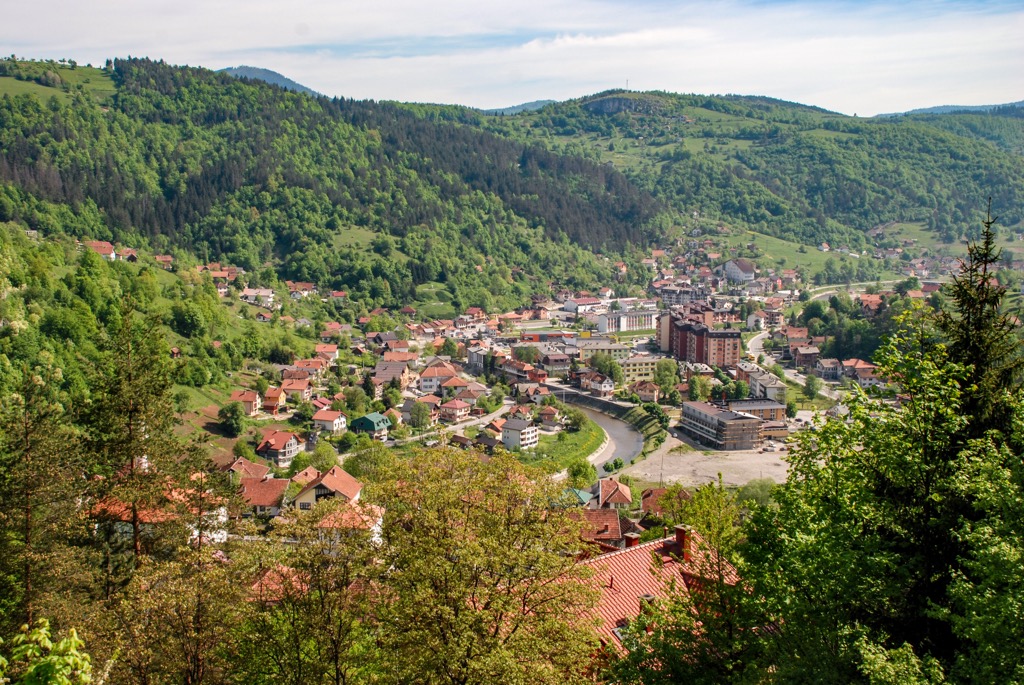
Tuzla is a vibrant city in northeastern Bosnia and Herzegovina with a population of approximately 120,000. The city’s most well-known landmark is its salt mine, one of the oldest in Europe. It’s both a university city and an industrial hub. The city is surrounded by foothills, forests, and villages, with plenty of outdoor access. It’s architecture combines Ottoman, Austro-Hungarian, and contemporary influences.

Sarajevo is home to approximately 300,000 residents. The city famously hosted the 1984 Winter Olympics only to bear witness to the events of the Bosnian War from 1992 to 1995. The city has recovered from the war over time and now thrives as a contemporary center for arts and education with numerous museums, theaters, and galleries.









The highest peak in Bijambare Protected Landscape is Kopitovac, at 1,021 m.
Notable peaks in Bijambare Protected Landscape include Kopitovac and Bijambare.